


The Blame Game We All Play
The first conclusion most people reach is a simple one: “My body is the problem.” It’s a natural reaction when faced with rack after rack of clothes that seem designed for a completely different human. This is especially true for those with an inverted
triangle shape—shoulders significantly wider than the hips. The immediate assumption is that the goal of dressing should be to hide or minimize this feature. First-time shoppers, armed with this faulty premise, embark on a quest for clothes that will magically shrink their shoulders. They grab oversized sweaters, high-necked tops, and anything that promises to conceal, only to find these choices often make the situation worse, creating a boxy, undefined silhouette.
The Real Reason: It's About Balance, Not Shrinking
Here's the secret: the real reason dressing for broad shoulders is so difficult is because most people are trying to solve the wrong problem. The goal isn't to make your shoulders disappear; it's to create proportional balance. Your shoulders are a strong, often athletic, feature—not a flaw. The fashion industry, however, largely designs clothes based on a standardized block pattern that often doesn't account for this body type. These patterns frequently assume a more pear-shaped or hourglass figure, where hips are wider than or equal to the shoulders. When your body deviates from this template, you're forced to size up to fit your widest point—your shoulders—which leaves excess fabric billowing around your waist and hips. The real trip-up for new shoppers is believing the clothes are right and their bodies are wrong, when in fact, the clothes were never designed for their shape in the first place.
The Mindset Shift: From Hiding to Balancing
The most powerful tool in your style arsenal is a mental shift. Stop asking, “How do I hide my shoulders?” and start asking, “How do I create a balanced silhouette?” The answer is to add volume or interest to your lower body to create harmony with your upper body. Think of your frame as the top of an hourglass. Your job is to create the bottom half. This moves the shopping process from a place of insecurity to a position of architectural, creative power. You're not hiding; you're building. This reframing is crucial. It gives you permission to celebrate a strong feature while making strategic choices that flatter your entire shape.
Your New Toolkit: What to Actually Look For
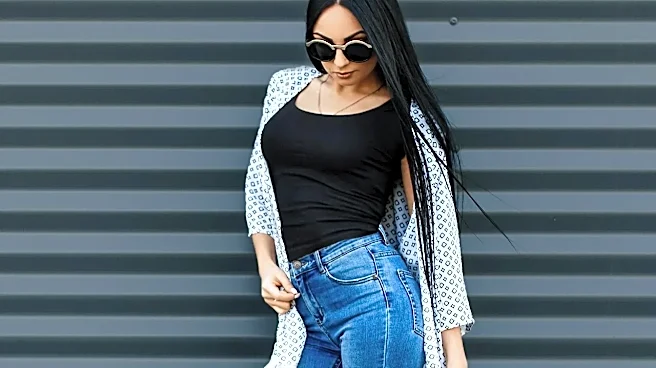
Once you're focused on balance, your shopping strategy becomes clear. On top, look for necklines that break up the horizontal line of your shoulders. V-necks, scoop necks, and wrap tops are your best friends because they draw the eye vertically. Simple, clean sleeve styles like dolman or raglan sleeves can soften the shoulder line. Avoid puff sleeves, heavy shoulder pads, and boat necks, which add width where you don't need it. For your lower half, this is where you can play with volume and pattern. A-line skirts, fit-and-flare dresses, wide-leg trousers, and bootcut jeans all work wonders. They create width and curves at your hips and hemline, balancing the visual weight of your shoulders and creating that coveted hourglass effect.
The Tailor Is Your Secret Weapon
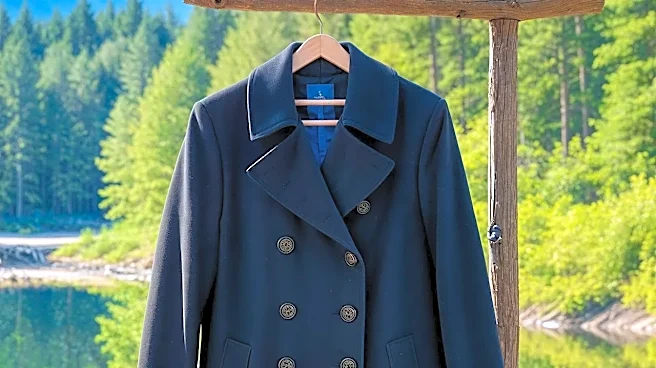
This is perhaps the single most important piece of advice for anyone with broader shoulders: buy to fit the widest part of your body and have the rest tailored. It's a concept that experienced shoppers live by. Find a blouse, jacket, or dress that fits your shoulders perfectly, even if it's baggy around your waist. A good tailor can easily and affordably take in the waist or add darts, transforming an ill-fitting garment into a custom-fit piece. It might seem like an extra step, but it’s the difference between feeling like you're wearing a sack and feeling like your clothes were made for you. This approach liberates you from the tyranny of off-the-rack sizing and is the ultimate key to unlocking a wardrobe you love.