






The Myth: A United TV Nation
For generations, the concept of the 'fall TV season' was simple and powerful. From late September through November, broadcast giants like ABC, CBS, NBC, and Fox would unleash their biggest new shows and returning favorites. It was a shared cultural experience.
A new season of a show like 'Friends' or the premiere of a potential hit like 'Lost' was a national event, discussed at water coolers and on school playgrounds the next day. This model trained audiences to expect a consolidated blitz of programming, creating a sense of occasion and a relatively unified viewing schedule for millions of Americans. The calendar was clear, the players were few, and the audience, for the most part, watched together.
The Reality: A Universe of Premieres
Today, that unified front has shattered into a thousand pieces. While broadcast networks still roll out a fall schedule, it's just one small neighborhood in a sprawling metropolis of content. Just look at the Fall 2026 landscape. While CBS is launching staples like 'Survivor' and 'NCIS', and ABC brings back 'Dancing With the Stars', the real action is everywhere. In the same window, Prime Video is set to debut the highly anticipated 'The Lord of the Rings: The Rings of Power', and Disney+ will attract Marvel fans with 'VisionQuest'. Netflix is countering with literary adaptations like 'East of Eden' and new seasons of hits like 'The Diplomat'. Even niche streamers and premium cable channels like HBO get in on the action, ensuring that a 'premiere' is happening almost every night of the week, all year round. The idea of a singular 'season' has been replaced by an endless, rolling wave of content.
The Streaming Disruption
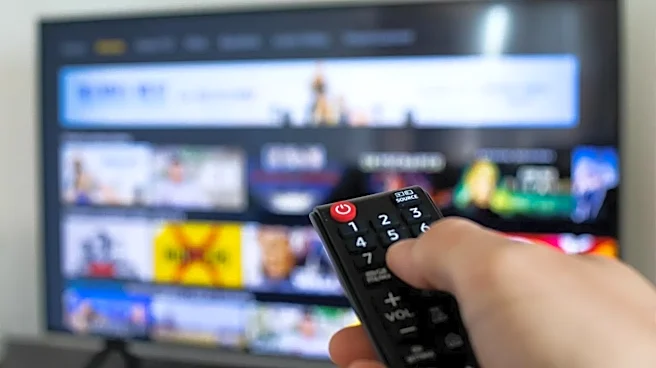
So, what blew up the old model? The primary culprit is, of course, the rise of streaming services. Platforms like Netflix, Prime Video, Hulu, and Apple TV+ operate on a different business model. They aren't bound by advertisers or a rigid primetime schedule. Their goal is constant subscriber engagement, which means dropping new, binge-worthy shows and movies whenever they are ready, not just in the fall. This has conditioned viewers to expect new content on-demand, 365 days a year. The concept of waiting a week for the next episode feels quaint to many, let alone waiting months for a new season. This shift from appointment viewing to on-demand consumption fundamentally broke the rhythm of the traditional television calendar.
Broadcast's New Playbook
This doesn't mean broadcast television is dead; it just plays a different game now. The networks have learned they can't compete with the sheer volume and budgets of the biggest streaming players when it comes to prestige scripted dramas. Instead, they've doubled down on what they do best: event television and reliable, comfortable programming. Live sports, particularly the NFL, remain a massive ratings driver that is largely immune to the streaming shift. Reality competition shows like 'The Voice' and 'Survivor' still create weekly buzz. And for scripted shows, the focus is often on long-running, procedural franchises like 'FBI', 'Chicago Fire', and 'Law & Order', which offer a dependable viewing experience that legacy audiences appreciate. They are no longer the center of the TV universe, but they have carved out a crucial and profitable corner.