



It's a Family Feud, Not a World War
Remember trying to keep track of Game of Thrones? You had the Starks in the North, the Lannisters in the capital, Daenerys across the sea, the Night's Watch at the Wall, and about five other subplots bubbling away. It was a geopolitical epic spread across an entire
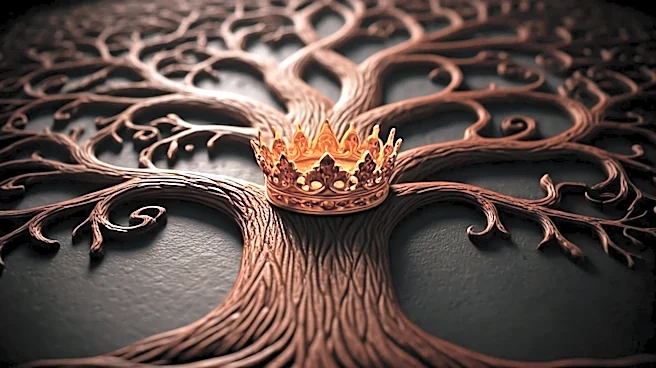
continent. House of the Dragon, by contrast, is a family drama. Nearly every significant event happens within the Targaryen family or in direct relation to them. The central conflict isn't about saving the world from ice zombies; it’s about which Targaryen gets to sit on the Iron Throne. By shrinking the focus from a continent to a single dynasty, the show immediately becomes more intimate and easier to track. You don't need a map, just a basic understanding of a very messy family tree.
The Character Count Is Manageable
Game of Thrones threw dozens of named characters at you in its first few episodes. You had to learn multiple Starks, Lannisters, Baratheons, and their various attendants, knights, and rivals all at once. It was an exercise in memory. House of the Dragon starts with a much tighter core cast. At its heart are King Viserys, his daughter Rhaenyra, his brother Daemon, and his Hand, Otto Hightower. Yes, the cast expands over time (and through some significant time jumps), but the story gives you ample time to get to know the central players and their motivations before introducing new ones. The narrative is anchored to Rhaenyra and her rival, Alicent Hightower. As long as you understand their relationship and what they each want, you’ve grasped the show's primary engine.
There's Only One Central Conflict
The plot of House of the Dragon can be distilled into a single question: Who will succeed King Viserys I? That’s it. That’s the whole show. Every scheme, every betrayal, every battle, and every dragon flight is in service of answering that one question. His named heir is his daughter, Rhaenyra, but a woman has never sat the Iron Throne. His wife later gives him a son, Aegon, who by tradition has a stronger claim. This simple, explosive premise fuels a century of conflict known as the “Dance of the Dragons.” Unlike Game of Thrones, which juggled the war for the throne with the existential threat of the White Walkers, House of the Dragon is laser-focused. There are no side quests or prophecies about a coming winter; there is only the brutal, bloody business of succession.
The Time Jumps Are the Only Real Trick
If there's one element that does require some audience attention, it’s the time jumps in the first season. The show covers roughly two decades, which means several key characters are recast with older actors partway through. This can be momentarily jarring. However, the showrunners made a smart choice: while the actors change, the central conflict does not. The resentments and alliances established in the first few episodes are the same ones that fester and explode years later. The time jumps aren't introducing new problems; they're simply showing how the old ones have curdled over time. Once you accept that you’ll be leaping forward a few years at a time, it’s a manageable narrative device designed to get to the heart of the conflict faster.
It's Basically 'Succession' With Dragons
The best way to reframe the show is to stop thinking of it as a sprawling fantasy epic and start thinking of it as a prestige family drama. It has more in common with The Crown or Succession than it does with The Lord of the Rings. The drama isn't driven by magic or monsters (though the dragons are a spectacular and crucial part of it all), but by human emotions: jealousy, ambition, parental disappointment, and bitter sibling rivalry. The arguments over who deserves power feel less like ancient history and more like a vicious corporate boardroom meeting where the tactical weapons are fire-breathing lizards. This focus on universal, relatable motivations makes the characters' choices—even the most shocking ones—feel psychologically coherent and easy to follow.