





The Trend That Never Leaves
The cable-knit vest has a long and storied history, tracing its roots back to the early 20th century. While often associated with tennis players seeking warmth and freedom of movement, its origins are also linked to skiing and golf. Over the decades,
it became a symbol of preppy, aspirational style, seen on everyone from royalty to on-court legends. Its recent resurgence, often tied to events like Wimbledon, isn't so much a comeback as a reminder of its enduring appeal. It’s a versatile layering piece that adds a touch of polish to almost any outfit, making it a constant in the fashion cycle.
The Cost-Per-Wear Calculation
Before diving into the textile specifics, let's talk numbers—specifically, the 'cost-per-wear' (CPW) formula. The idea is simple: divide the total cost of an item by the number of times you wear it. A $200 vest worn 100 times has a CPW of $2. A $40 vest worn twice has a CPW of $20. This framework shifts the focus from the initial price tag to long-term value. Investing in a high-quality, durable piece that you'll wear for years can be far more economical than buying a series of cheaper, less durable alternatives that need frequent replacement. The goal is to get the cost for each wear down to a few dollars, or even cents, over the item's lifespan.
Material Matters: Wool vs. Cotton
Here's where the textile-nerd perspective is crucial. The two most common materials for a tennis vest are wool and cotton. While both can be cable-knit, their performance differs dramatically. Merino wool is a fantastic thermoregulator; its natural crimp creates air pockets that trap heat, providing warmth without bulk. It also wicks moisture away from the skin and stays warm even when damp, making it ideal for fluctuating temperatures. Cotton, while soft and breathable, tends to absorb and hold moisture, which can make you feel clammy. However, high-quality Pima or Egyptian cotton offers great durability and a smooth feel. The official Wimbledon 2026 collection vests by Ralph Lauren, for instance, are made of thick-gauge cotton. Your choice depends on your climate and primary use, but a high-quality wool vest generally offers superior performance and longevity, justifying a higher initial cost.
Anatomy of the Cable-Knit
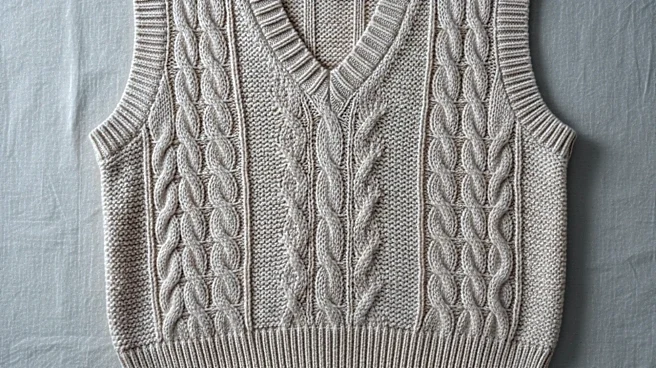
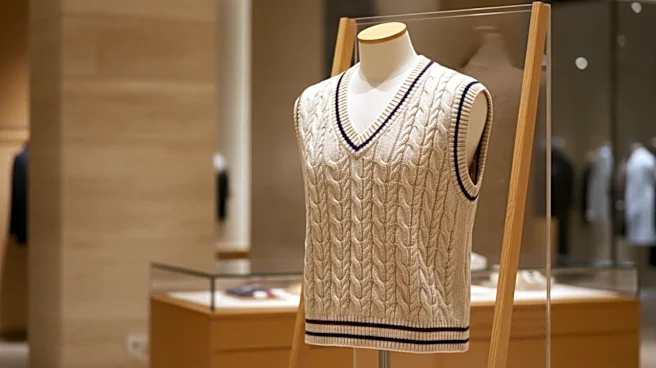
What exactly is a "cable-knit"? It’s a knitting technique where stitches are crossed over one another to create twisted, rope-like patterns. This isn't just for looks; the structure adds thickness, dimension, and durability to the fabric. A well-made cable-knit is dense and has a springy texture. When shopping, look for tight, even cables. Loose, floppy twists can be a sign of lower-quality yarn or a less robust construction that won't hold its shape over time. The raised texture of the cables makes the vest more substantial and adds visual interest, elevating it beyond a simple sleeveless sweater.
Maximizing Longevity Through Care
To get that cost-per-wear down, proper care is non-negotiable. With wool, the best advice is to wash less and air more. Wool is naturally breathable and odor-resistant. Hanging it in a steamy bathroom or outdoors can refresh it between wears. When you do need to wash it, use a wool-specific detergent in cold water on a gentle cycle, or wash by hand. Never wring it out. Gently squeeze out excess water, then roll it in a towel. Most importantly, always dry wool knitwear flat to prevent it from stretching and losing its shape. Proper storage is also key: fold your vest and store it flat, never on a hanger, which can cause permanent stretching at the shoulders.