




Beyond the Stars and Stripes
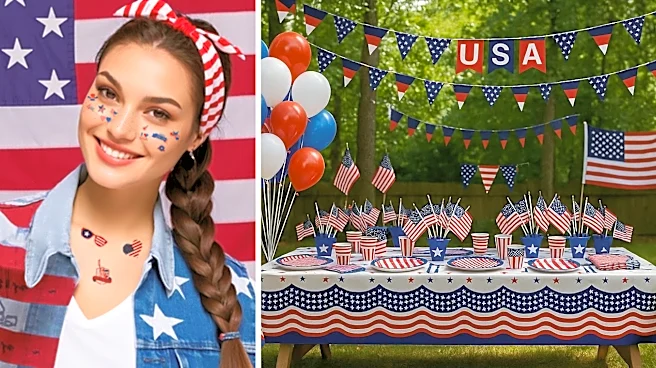
For decades, dressing for Independence Day has been a fairly simple affair: find something with an American flag, splash on the patriotic colors, and call it a day. It’s a comfortable, easy tradition. But a new, more elaborate approach to festive attire
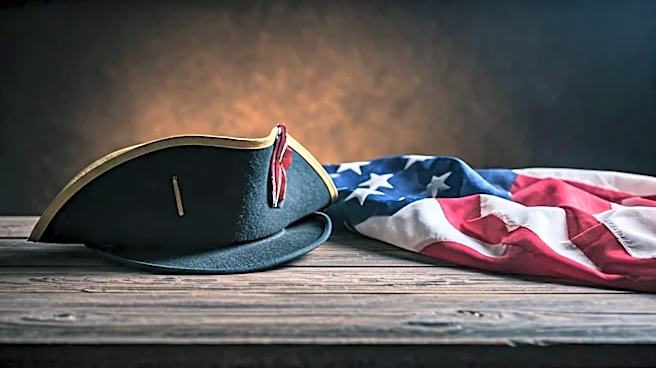
is emerging. Instead of simply wearing the symbols of the nation, some Americans are choosing to embody its history. Enter the Founding-Era costume. Tricorn hats, ruffled shirts, and colonial dresses are migrating from October 31st to July 4th, transforming backyard parties into immersive historical experiences. This shift suggests a desire for a different kind of celebration—one that’s less about abstract patriotism and more about a tangible connection to the nation’s origins.
A Halloween Staple Finds a New Home
Founding Father and colonial-era costumes have long been a staple of Halloween. Figures like George Washington, Betsy Ross, and Benjamin Franklin are instantly recognizable historical figures perfect for a night of make-believe. Now, retailers and party planners are explicitly marketing these same outfits for Independence Day celebrations. Why the shift? Part of it is a search for novelty. Themed parties are more popular than ever, driven by the visual appeal of a coordinated event on social media. A “Revolutionary Fourth” is certainly more Instagrammable than a standard cookout. It also taps into a broader cultural moment where historical stories, fueled by hit musicals and TV series, feel more immediate and relevant than ever. Dressing up isn't just for kids anymore; it's a way for adults to engage with history playfully.
The Semiquincentennial Spark
The upcoming 250th anniversary of the United States in 2026, known as the Semiquincentennial, is adding fuel to this fire. This major milestone has sparked a renewed interest in the Revolutionary period, with merchandise and apparel themed around "America 250" and "1776-2026" becoming a notable trend. This national moment of reflection encourages a deeper look into the country's past. For many, dressing in the style of the era is a fun and accessible way to participate in the commemoration. It moves the celebration from passive observance to active, creative participation, making the history feel alive and personal. As the anniversary approaches, this trend is only likely to grow.
How to Pull It Off Without a Hitch
Thinking of trading your polo shirt for a powdered wig? The key is to lean into the spirit of the holiday, not just the historical accuracy of a museum piece. You don't need a heavy, multi-layered wool coat to make a statement. Think lighter fabrics like linen, which were also used in the 18th century. A simple tricorn hat, a ruffled jabot added to a white shirt, or knee-high socks with buckled shoes can evoke the period without requiring a full, cumbersome uniform. For women, a long dress with a scooped neckline and a simple bonnet can capture the colonial aesthetic. The goal is festive tribute, not a perfect reenactment. It’s about having fun with history and starting conversations, not passing a history exam.
A New Expression of Patriotism?
Ultimately, this trend might be more than just a passing fad for a good party theme. It reflects an evolving idea of what it means to be patriotic. In an era where national identity can feel complicated, connecting with the foundational story of the country—the people, the ideals, the struggle—can feel grounding. It’s a form of celebration that invites curiosity and engagement. By dressing as a figure from 1776, people are creating a different kind of July Fourth memory, one that blends historical appreciation with modern fun. It's a way to honor the past not as a static monument, but as a story we can all step into for a day.