


The Director in the Hot Seat
In a dark production truck miles from the screaming fans sits the broadcast director, the true choreographer of what you see at home. This person is responsible for turning a live performance into a coherent and thrilling visual story. For a single three-minute
song, the director works from a meticulous script that calls out hundreds of camera cues. Armed with a bank of monitors showing feeds from over 20 different cameras—ranging from robotic units on stage to sweeping cranes and handhelds in the pit—they call out shots in rapid-fire succession. Every cut from a wide shot of the group to a dramatic close-up on the lead singer is a decision made in a split second, but planned weeks in advance. Their job is to ensure the visual energy on screen matches the energy of the performers, creating a seamless experience that feels both spontaneous and perfectly polished.
The Art of Camera Blocking
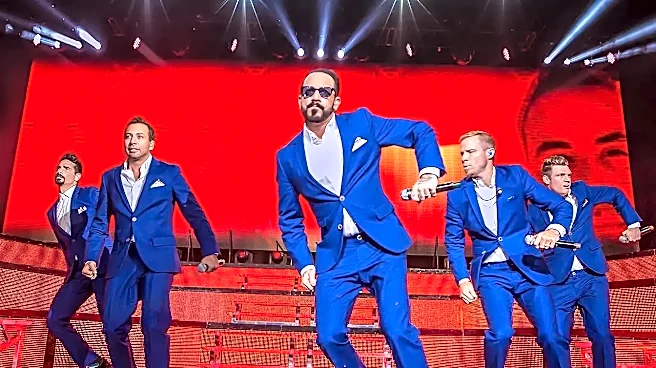
The secret to this seamlessness is a process called “camera blocking.” Days before the live show, each artist and their dance crew run through their performance on the main stage, often in an empty arena. But this rehearsal isn't for them; it's for the camera operators. During this crucial session, every camera's position and movement is mapped out. The director and choreographer collaborate to decide the exact moment to use a sweeping jib shot, when to push in for a dramatic close-up, and which angle best captures the most explosive part of the choreography. The dancers perform full-out, not just for practice, but to give the camera team a precise roadmap. This means every zoom, pan, and transition from one camera to another is as rehearsed and timed as the dancers' own footwork.
Choreography Designed for the Lens
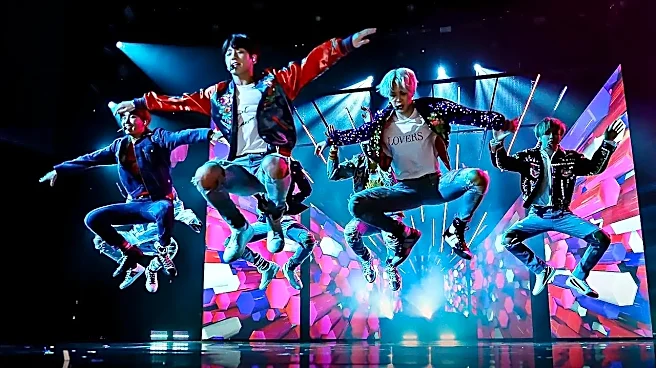
In the modern era of music performance, choreography is no longer created just for the eyes of a live audience. It’s designed specifically for the camera lens. Choreographers now think like directors, building routines around key “moments” that are meant to be captured from a particular angle. They might design a formation that only makes sense when viewed from a high-angle crane shot, or create a subtle movement intended for an extreme close-up. The camera is not just a passive observer; it’s an active partner in the performance. This collaborative approach ensures that the story of the dance is told effectively through the screen, using the language of film—framing, depth, and perspective—to heighten the emotional impact of the movement.
An Army of Specialized Tools
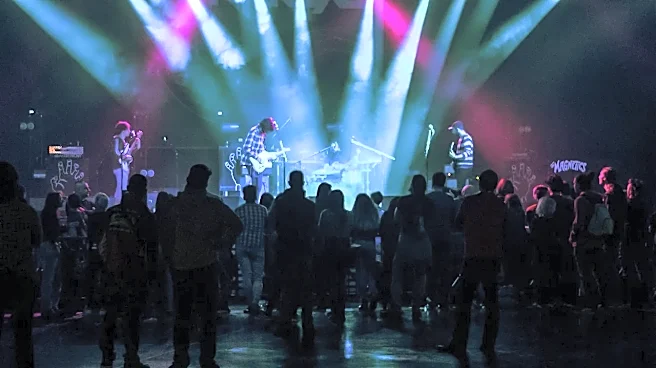
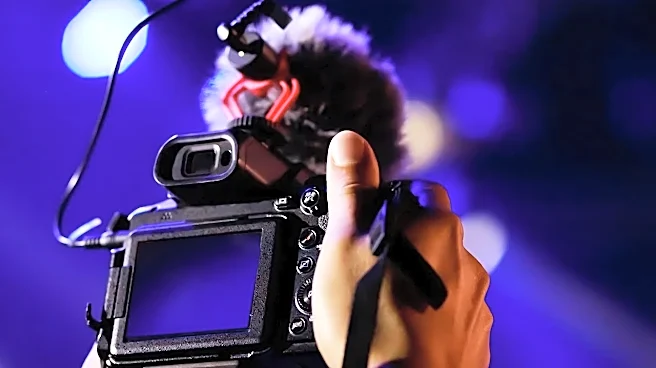
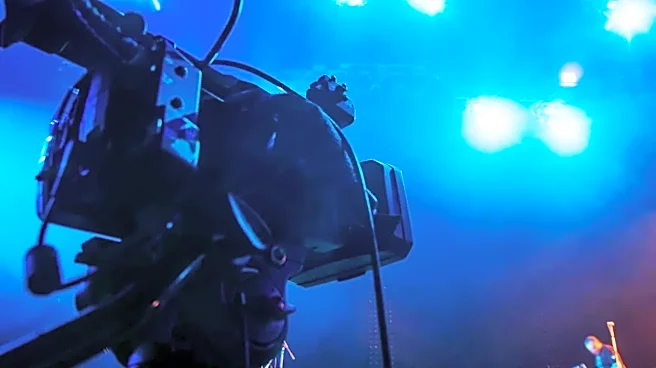
This intricate dance is made possible by an arsenal of specialized camera technology. You'll see Steadicam operators gliding gracefully across the stage, becoming a fluid part of the performance to capture intimate, moving shots. Robotic cameras are often placed on tracks at the edge of the stage, programmed to execute the exact same smooth motion every single time. High above, a “spider cam” or other cable-suspended system can fly over the entire arena, offering the breathtaking overhead shots that reveal the full scale and geometry of a dance number. Each tool is chosen for a specific purpose. A handheld camera might be used to create a gritty, energetic feel for a rock band, while a smooth, robotic slide might be preferred for a sleek pop performance. The choice of equipment is fundamental to translating the performance’s mood to the viewer at home.