



The Dress That Sparked a Quiet Revolution
While wrapped garments have existed for centuries, the modern wrap dress burst into American consciousness in 1974. Created by a young Belgian designer named Diane von Furstenberg, the knee-length, long-sleeved jersey dress was a revelation. It arrived
at a pivotal moment. As women entered the workforce in greater numbers during the second-wave feminist movement, they needed a new uniform. They sought clothing that was professional without being a stuffy suit, and feminine without being fussy. The wrap dress was the perfect answer. With a simple slogan, "Feel like a woman, wear a dress!", von Furstenberg sold over a million dresses by 1976, cementing the garment not just as a fashion success, but as a cultural phenomenon.
A Masterclass in Form and Function
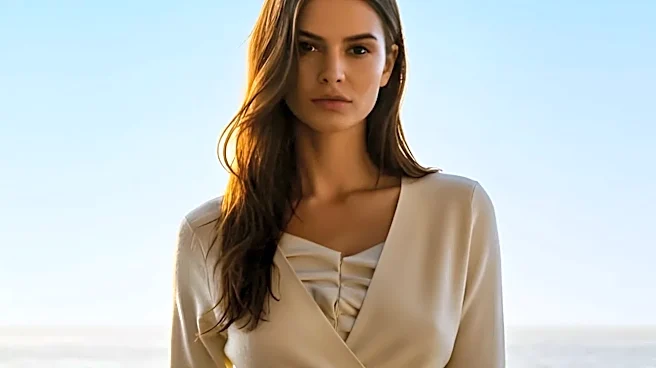
The genius of the wrap dress lies in its deceptively simple engineering. Unlike garments with rigid zippers and buttons, the wrap closure allows for an adjustable, customized fit. This means it can adapt to different body types and life's natural fluctuations, from a big lunch to early pregnancy. The design's key elements are universally flattering: a V-neckline that elongates the neck, a tie that cinches the waist to create an hourglass silhouette, and a soft A-line skirt that drapes gracefully over the hips. The choice of fabric—typically a wrinkle-resistant silk jersey—made it the ultimate travel companion and a low-maintenance staple for a woman on the go. It was comfortable, practical, and could transition from a boardroom meeting to a dinner date with ease.
The Uniform of Effortless Confidence
More than just a piece of clothing, the wrap dress became a symbol of a new kind of female identity. It projected an image of effortless confidence and competence. The wearer looked put-together without looking like she tried too hard—a core tenet of classic American style. It offered a sense of liberation from the restrictive clothing of the past. Wearing a wrap dress signaled that you were in charge, both of your day and your image. It’s a garment that allows the wearer's personality to shine through, rather than overpowering it. This subtle power is why it has been worn by everyone from First Ladies like Michelle Obama to cultural icons like Amy Adams in "American Hustle," where the dress itself becomes a character representing a shift in power and sensuality.
An Enduring, Quiet Legacy
Fashion is famously fickle, yet the wrap dress has proven its resilience. While its popularity peaked in the mid-1970s, it experienced a major resurgence in the late 1990s when von Furstenberg re-launched the style to a new generation who were discovering the originals in vintage shops. Since then, it has never really left. Designers continually reinterpret the wrap silhouette, but the core design remains beloved because its fundamental principles of comfort, flattery, and versatility are timeless. It has outlasted countless trends by being fundamentally useful. It doesn't need to shout to be heard; its enduring presence in the closets of well-dressed American women for nearly fifty years speaks volumes.