
From Local Promo to Major Event
Long before the massive, star-studded holiday shows became a national phenomenon, the concept started small. In the late 1980s and early 1990s, influential local radio stations began hosting concerts as a way to connect directly with their listeners.
These weren't just promotional events; they were live extensions of the station's on-air identity. A prime example is KROQ in Los Angeles, which launched its Weenie Roast in 1993. The idea was simple but powerful: gather the alternative rock bands that defined the station's playlist and put them on one stage for their dedicated audience. The first lineup featured acts like Stone Temple Pilots, The Lemonheads, and X, reflecting the eclectic-yet-cohesive sound KROQ championed. It was a strategic move that built brand loyalty far beyond the airwaves, turning listeners into a tangible community.
The Golden Age of the All-Star Bill
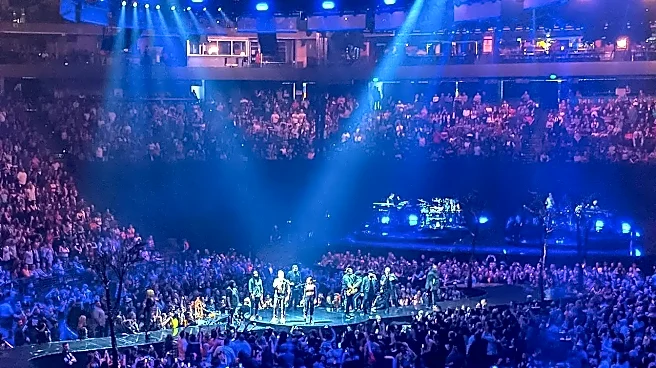
The model truly exploded in the mid-1990s with the creation of Z100's Jingle Ball in New York City. First held in 1995, Jingle Ball perfected the formula of the "all-star concert bill." The concept was less about a specific genre and more about a rapid-fire showcase of the year's biggest pop hits. One ticket gave fans access to a dozen or more chart-topping artists, each performing a short set of their most recognizable songs. This format was an instant sensation. Tickets sold out in minutes, and the event quickly became an annual holiday tradition. The success was so immense that the Jingle Ball brand expanded, with iHeartMedia stations across the country hosting their own versions. This created a national tour, a televised special, and a must-play stop for artists looking to cap off a successful year, from pop royalty to rising stars.
A Win-Win-Win Machine?
The business model behind the radio festival was brilliant in its simplicity and effectiveness. For the radio station, it was a massive marketing and branding opportunity, cementing its place at the center of the local music scene. For artists, it was an unparalleled promotional platform. A single performance could reach thousands of dedicated music fans and receive heavy on-air promotion leading up to the event. For advertisers and sponsors, it offered access to a highly engaged and captive demographic. Brands lined up to attach their names to the events, providing everything from cash sponsorships to on-site fan experiences like charging stations and photo booths. This infusion of corporate money allowed promoters to book ever-more-impressive lineups without passing the entire cost onto the ticket buyer, creating a symbiotic cycle of growth.
Competition in the Streaming Age
The dawn of the 21st century brought new challenges. The rise of large-scale, multi-day destination festivals like Coachella and Lollapalooza shifted the live music landscape. Simultaneously, streaming services and social media gave fans direct access to artists, lessening their reliance on radio for music discovery. While some legacy events like the KROQ Weenie Roast have gone inactive, the radio festival has adapted rather than disappeared. The iHeartRadio Jingle Ball tour continues to be a major holiday event, and its model has proven resilient by focusing on the biggest pop acts of the moment. These events now function as one part of a much larger media ecosystem, amplified across social media, digital streaming, and television broadcasts, ensuring the all-star bill reaches an audience far beyond the arena walls. They continue to serve as a powerful cultural touchstone, a snapshot of what pop music sounded like in a given year.