


The Man Who Demands More
Ulf the White, portrayed by Tom Bennett, is first introduced as a loudmouthed drunk with a tenuous claim to Targaryen blood. He’s a man-at-arms who enjoys the taverns of King’s Landing, but beneath the drunken exterior lies a deep well of resentment.
Unlike others who might be grateful for a chance at glory, Ulf sees power as his birthright, something he was cheated out of. When Rhaenyra, in a bid to counter the Greens' might, calls for those with Valyrian ancestry to claim dragons, Ulf succeeds in bonding with Silverwing, the dragon of the beloved former Queen Alysanne Targaryen. This moment doesn't instill loyalty in him; it confirms his long-held belief that he is special and deserving of more than the scraps a queen might offer. He isn't fighting for Rhaenyra's claim; he's fighting for his own.
A Dragon Is Not a Soldier
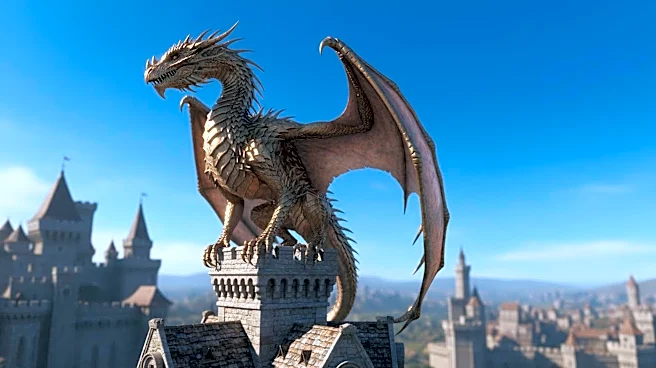
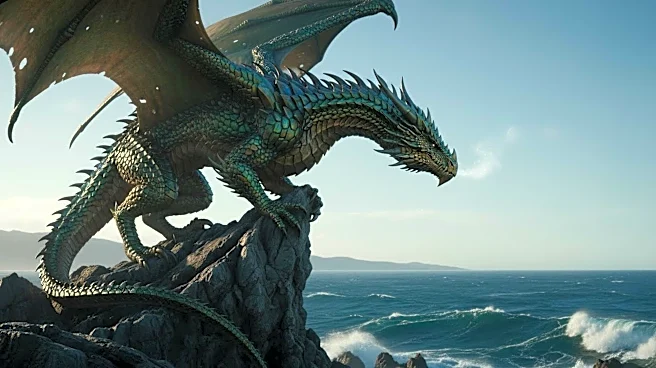
Rhaenyra’s fundamental mistake was viewing the dragonseeds as a simple military asset. As showrunner Ryan Condal noted, she essentially handed nuclear weapons to strangers. Ulf on Silverwing is a perfect example of this catastrophic miscalculation. A dragon isn’t just a weapon; it’s the ultimate source of power in Westeros, the very thing the Targaryen monarchy is built on. By giving a man like Ulf a dragon, Rhaenyra gave him the ability to operate outside the normal chain of command. He is no longer just a knight in her service; he is a power unto himself. He cannot be easily disciplined or controlled without risking the loss of a precious dragon or inviting the fiery destruction of anyone who gets in his way. As Ulf chillingly tells an ally from the Greens before his betrayal, when people see him for what he is now, "No. They will burn."
The Symbol of a Failed Strategy
Ulf is not an isolated problem. He and the blacksmith Hugh Hammer are symptoms of a larger political disease. Desperate to match Aemond's Vhagar, Rhaenyra and Jace initiated the "Sowing of the Seeds," a plan to bolster their forces. While it gave them more dragons in the sky, it also diluted the very magic of their house: the idea that only true Targaryens could be dragonriders. This act of desperation fundamentally weakened the legitimacy that Jace, as heir, depends on. Ulf and Hugh's eventual betrayal at the First Battle of Tumbleton is the horrifying payoff to this gamble. According to the source material, Fire & Blood, the two turn on Rhaenyra's forces, burning the very town they were sent to protect and defecting to the Greens. Their treachery earns them the infamous title of the "Two Betrayers," a turning point that devastates Rhaenyra's cause.
Greed, Ambition, and the Coming Storm
So why do they turn? The books suggest it's a simple, ugly mix of greed and ambition. Rhaenyra offers them knighthood and small lands, but the Greens offer them lordships and castles—Ulf is promised Bitterbridge and sets his sights on Highgarden itself. They feel unappreciated and see a better deal on the other side. Hugh Hammer goes even further, dreaming of a crown for himself based on a prophecy. These men were not loyalists; they were opportunists given god-like power. They prove that loyalty cannot be bought cheaply, especially when the currency is a fire-breathing beast. For Rhaenyra, Ulf represents the ticking clock on her own authority. He is the walking embodiment of the chaos she has unleashed, a force that respects no crown and serves no one but itself.