





The Spark of a Surprise Hit
It often begins with a film no one expected to build a world. Think of 2001’s The Fast and the Furious, a mid-budget street-racing riff on Point Break, or 2014's John Wick, a stylish but straightforward revenge thriller. These weren't designed as universe-launchers.
They were simply good, profitable movies that connected with an audience on a surprisingly deep level. The key ingredient is a character or a world that feels bigger than the plot of the first film. Audiences didn't just like the car chases; they liked the found-family dynamic of Dom Toretto's crew. They didn't just enjoy the action in John Wick; they were fascinated by the mysterious, rule-bound world of assassins. This unexpected audience attachment is the fertile ground from which a universe can grow. Studios notice this spark and ask a crucial question: is there more story to tell, and more importantly, is there an audience willing to pay to see it?
Testing the Waters with a Sequel
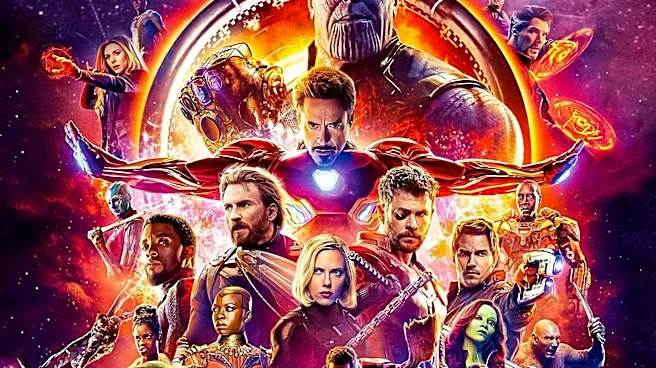
The first sequel is a critical test. Its primary job is to prove the original wasn't a fluke. But its secondary job is to start laying the track for a bigger world. This is where the world-building becomes more intentional. Storylines get more complex, new characters are introduced who might carry their own films later, and the mythology is deepened. The most famous tool for this is the post-credits scene. While used for comedic effect in earlier films like The Muppet Movie (1979) and Ferris Bueller's Day Off (1986), the modern post-credits scene was weaponized by Marvel Studios. The moment Nick Fury appeared after the credits of 2008's Iron Man to talk about the 'Avenger Initiative,' the game changed. It transformed the end of a movie into a commercial for the next movie, training audiences to see each film as a single chapter in a larger book.
Drawing the Universe Blueprint
If the sequel succeeds, the studio moves from testing the waters to actively building the ship. This is the blueprint phase, where executives and creative leads map out a multi-year plan. They begin to 'seed' future movies within the current ones. A supporting character in one film is given a more prominent role, setting them up for a spinoff. A seemingly minor plot point is revealed to be a clue to a future, larger conflict. The Fast & Furious franchise is a masterclass in this, retroactively weaving characters and events from different sequels into a single, sprawling timeline. This phase requires a delicate balance. The individual films still need to work as standalone stories, but they must also serve the greater narrative of the universe. It’s a high-wire act of commercial and creative planning.
The Spinoff and Saturation Phase
Once the universe is established and audiences are bought in, the final stage is expansion. This is where the spinoffs, prequels, and streaming series come in. If a supporting character becomes a fan favorite, they get their own movie, like Hobbs & Shaw from the Fast saga. The goal is to create a constant stream of content that keeps the audience engaged with the brand, even between flagship releases. However, this is also where the danger lies. The risk of audience fatigue becomes very real. For every successful expansion, there are cautionary tales. Universal’s 'Dark Universe' famously stumbled out of the gate with 2017's The Mummy, an attempt to create a universe before a single film had earned the audience's trust. It serves as a stark reminder that even with a detailed blueprint, you first need that authentic, unexpected spark to make it all work.