





The Illusion of the Safe Space
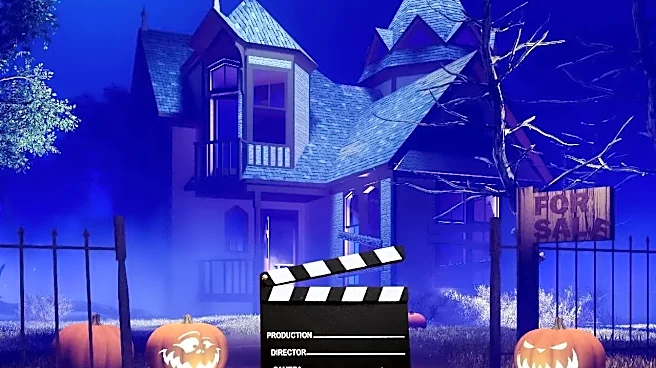
The American suburb was built on a promise of safety. After World War II, families flocked from crowded cities to planned communities with manicured lawns, cookie-cutter houses, and the assurance of a peaceful, predictable life. This vision of a domestic
paradise became the American Dream. Horror directors understand this cultural blueprint better than anyone. They know that true terror isn’t about a monster in a faraway castle; it's about the monster appearing where you least expect it. The suburb is the perfect stage for this violation precisely because it’s supposed to be boring and safe. By setting horror in this idyllic landscape, filmmakers aren't just creating a scary story; they're corrupting the very idea of the American Dream, suggesting that the white picket fence isn't a barrier to keep evil out, but a cage with the evil already inside.
The Threat Is Already Inside
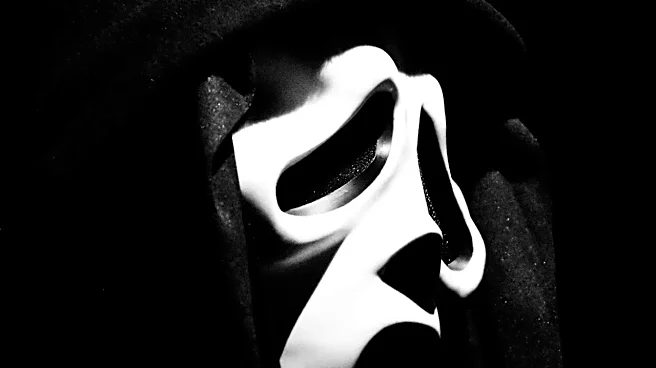
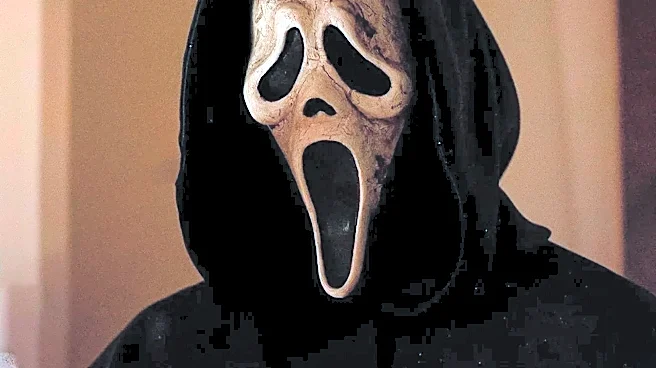
The true genius of suburban horror is that the threat rarely comes from an outside invader. Instead, the danger is revealed to be something—or someone—that was part of the community all along. Think of John Carpenter's 'Halloween,' the film that perfected this formula. Michael Myers isn't a creature from another dimension; he's the boy from down the street who returns to his hometown. The horror comes from the subversion of trust. The friendly neighbor, the high school classmate, even the family home itself becomes the source of terror. Films like 'Scream' took this further, making the killers the very teenagers their parents moved to the suburbs to protect. This twist is effective because it shatters the core belief of suburbia: that conformity and community equal security. It suggests the real monsters are hiding behind the same beige siding and pleasant smiles as everyone else.
Weaponizing the Mundane
Horror filmmakers are experts at turning the everyday into the terrifying. In a suburban setting, their toolbox is filled with the objects of our daily lives. An electric garage door, a symbol of suburban convenience, becomes a gruesome murder weapon in 'Scream'. A child’s television set becomes a portal for angry spirits in 'Poltergeist'. And in 'Halloween', a simple kitchen knife becomes one of the most iconic and terrifying weapons in cinema history. This technique is psychologically potent because it follows you home. After watching, your own house is no longer a sanctuary but a collection of potential threats. That dark hallway, the closet door you left slightly ajar, the eerie silence of a house at night—all are now infused with a sense of dread. The films teach your brain to see menace in the mundane, making your safest space feel profoundly unsafe.
The Power of Quiet and Conformity
Urban horror often relies on the chaos of the city, but suburban horror finds its power in the opposite: quiet, isolation, and uniformity. The identical houses and empty, tree-lined streets create a sense of eerie stillness where anything can hide. Directors use long, lingering shots of dark windows, silent cul-de-sacs, and shadowy backyards to build an almost unbearable tension. The quiet amplifies every creak and rustle, while the conformity of the neighborhood makes anything out of place feel instantly sinister. This isolation is both physical and social. In one of the most chilling scenes in 'Halloween', a terrified Laurie Strode bangs on a neighbor's door for help, only for the porch light to switch on, then quickly off, as the resident refuses to get involved. The message is clear: in the suburbs, you might be surrounded by people, but you are utterly alone. That feeling of abandonment is often the scariest part.