



The Sonic Foundation
Before anything else, the appeal of the upright bass is its sound. Unlike the sharp, precise attack of an electric bass, the acoustic upright—often called the double bass—produces a warm, round, and woody tone that you feel as much as you hear. This organic
sound is the bedrock of Americana, a genre that prides itself on acoustic and roots-based instrumentation. The sound blooms rather than hits, a deep 'thump' that provides the pulse for everything happening on top of it. In the words of one bluegrass musician, if the mandolin is the snare and the guitar is the hi-hat, the upright bass is the kick drum. This sonic quality is crucial; it physically connects the music to the listener, providing a low-frequency foundation that gives the intertwined melodies of fiddles, banjos, and guitars their weight and forward motion.
An Unmistakable Visual Presence
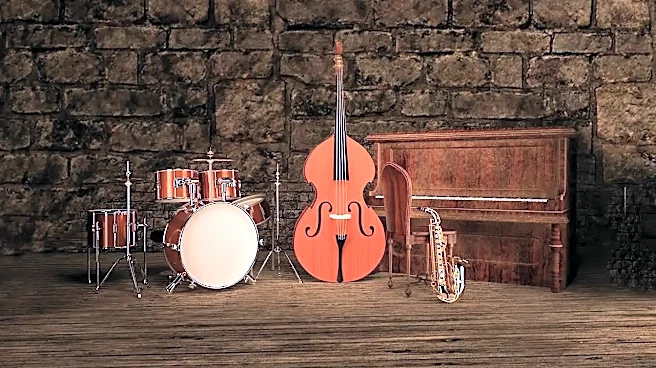
In an era of compact and portable gear, the sheer size and physicality of the upright bass make an immediate statement. Standing around six feet tall, the instrument is a powerful visual anchor on stage. Its presence alone signals a connection to a certain tradition and authenticity. Watching a musician physically wrestle with the instrument—leaning into it, pulling on the thick strings, their whole body involved in drawing sound from its large wooden chamber—is a performance in itself. This visual drama is something an electric bass, played horizontally and often with much less motion, can't replicate. In genres like rockabilly, a direct ancestor of modern Americana, players famously used the bass as a percussive instrument, slapping the strings to create a driving, rhythmic click that was as much a spectacle as a sound.
A Direct Link to History
The upright bass is woven into the very fabric of American roots music. Evolving from European instruments over centuries, it became a staple in early jazz, blues, bluegrass, and country ensembles long before the electric bass was invented in the 1950s. In classic bluegrass bands like Bill Monroe's Blue Grass Boys, the bass established its role as the rhythmic and harmonic foundation. Its use in Americana today isn't just a stylistic choice; it's a nod to that lineage. When a band chooses an upright bass, they are deliberately connecting their sound to the traditions of the artists who came before them, from early jazz pioneers to the golden age of country music. This historical resonance adds a layer of depth and meaning to the music that fans of the genre appreciate.
More Than Just a Timekeeper
While its primary role is often rhythmic, providing the classic 'root-five' pattern that defines much of bluegrass and country, the upright bass is also a surprisingly versatile melodic and harmonic instrument. Because it is fretless, players can slide between notes, creating the smooth 'gliss' sounds common in both folk and jazz. This allows for expressive, voice-like bass lines that can 'walk' through chord changes, adding a layer of melodic motion that propels the song forward. In the hands of a skilled player, the bass does more than just support the chords; it outlines them, adding harmonic richness and acting as another voice within the ensemble. This dual role as both a rhythm and harmony instrument makes it indispensable to the intricate musical conversations that characterize Americana.