


The Unofficial Uniform
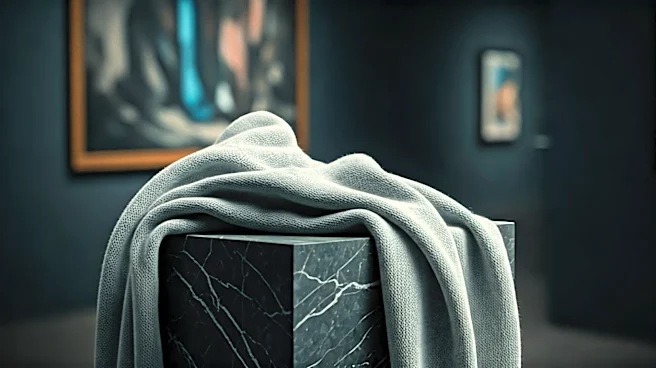
Walk the sprawling aisles of The Shed in Hudson Yards during Frieze week, and you’ll notice it. First as a flicker, then as a pattern. Among gallerists, collectors, and high-powered advisors, a specific silhouette repeats: a luxe, neutral-toned sweater, draped just so. It’s not a coincidence; it's a code. This isn’t your average department store pullover. We’re talking about impeccably crafted cashmere from brands where price tags are whispered, not displayed—think The Row, Brunello Cucinelli, or Loro Piana. Typically in shades of oatmeal, heather grey, navy, or black, these knits are paired with wide-leg trousers, minimalist sneakers, or an artfully sensible flat. The look is one of deliberate nonchalance, a costume that telegraphs a very specific kind
of status without shouting it.
A Masterclass in Practicality
Before diving into the sociology, let's acknowledge the simple, brilliant practicality of it all. An art fair is a marathon, not a sprint. You're on your feet for hours, navigating vast, climate-controlled exhibition halls that are notoriously drafty. A cashmere knit is the perfect sartorial tool for the job. It’s incredibly lightweight for its warmth, making it an ideal layer that won’t feel cumbersome. Too warm while negotiating a deal for a new sculpture? Drape it over your shoulders. A chill sets in by the West Chelsea waterfront? It’s your personal, portable cocoon of comfort. This practicality is the foundation of its appeal. It’s a choice that says, “I’ve done this before. I know how to navigate this space with ease.” It’s functional armor for the seasoned art world veteran.
The Psychology of 'Quiet Luxury'
Here’s where it gets interesting. The cashmere sweater is the quintessential garment of “quiet luxury,” a trend that has become the dominant aesthetic for the ultra-wealthy. In a world saturated with logos and influencer-driven hype, the ultimate power move is to wear something that is identifiable only to those who share your rarefied taste. A $2,000 cashmere sweater with no visible branding doesn’t scream “I’m rich.” It murmurs it, confident that the right people will hear. It signals an understanding that true luxury lies in material, cut, and craftsmanship—not in a monogram. For the art collector, whose entire pursuit is based on connoisseurship and a trained eye, this sartorial choice is a natural extension of their worldview. They appreciate the unseen value, the quality that reveals itself upon closer inspection, much like a great work of art.
Letting the Art Take Center Stage
There’s another, more symbolic function at play. By adopting a muted, almost uniform-like style of dress, the wearer makes a powerful statement: “I am here for the art.” In a space dedicated to visual splendor, dressing in a simple, elegant, and non-distracting manner is a sign of respect. It shifts the focus from the self to the object of appreciation. Wearing a loud, attention-grabbing outfit to an art fair can seem amateurish, as if you’re competing with the canvases. The quiet luxury of a cashmere knit, however, frames the wearer as a serious participant, a connoisseur whose personal style is secondary to their intellectual and aesthetic engagement. It’s a performance of sophistication, suggesting that their primary investment is in the culture on display, not the clothes on their back—even if those clothes cost as much as a small print.