



The Broadcasting Gold Rush
The single biggest river of cash flowing into FIFA’s coffers comes from selling broadcasting rights. Think about it: billions of people want to watch, and networks and streaming services around the world will pay astronomical fees for the exclusive right to show
the games. These deals aren't last-minute negotiations. They are locked in years in advance, providing FIFA with a massive, guaranteed income stream. For the 2022 World Cup cycle, television broadcasting rights accounted for over $3 billion of FIFA's revenue. Networks in the U.S. like Fox and Telemundo paid a reported sum north of $1 billion for a package that included the 2018 and 2022 tournaments. This money is in the bank long before a star player even boards the plane to the host country.
The Corporate Partnership Pyramid
Ever wonder why you see the same handful of brands plastered all over the World Cup? That’s by design. FIFA’s sponsorship structure is a carefully tiered pyramid that generates billions. At the top are the “FIFA Partners” like Coca-Cola, Adidas, and Visa. These global giants pay the most—often hundreds of millions of dollars over a multi-year cycle—for the highest level of association with all FIFA events. Below them are the “World Cup Sponsors,” who pay a smaller, but still enormous, fee to be exclusively associated with the tournament itself. These sponsorship deals are the lifeblood of the event’s commercial program, and like the TV rights, they are negotiated and signed years ahead of time. Companies are essentially buying access to a global audience of unparalleled size, and FIFA cashes those checks well before the opening ceremony.
Licensing Everything Imaginable
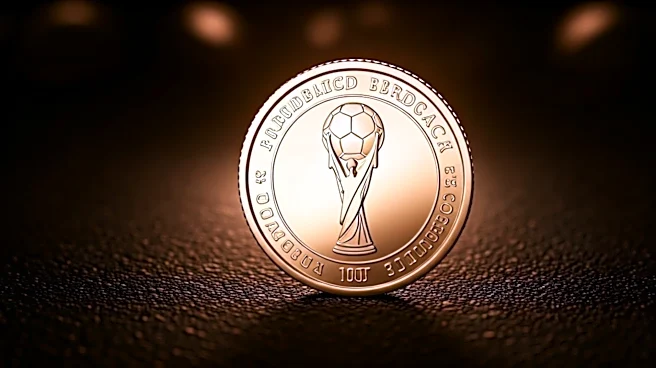
The third major revenue stream is marketing and licensing rights. This is where the World Cup brand itself becomes a product. FIFA licenses the official logos, emblems, and mascot to third-party companies who want to produce official merchandise. This includes everything from the jerseys and soccer balls you see in stores to keychains, commemorative coins, and stickers. A huge part of this category is video games. For decades, the partnership with Electronic Arts for the FIFA video game franchise was a massive and reliable moneymaker, delivering a royalty check to FIFA for every copy sold. Though that specific partnership has ended, the principle remains: if it has an official World Cup logo on it, someone paid FIFA for the right to put it there, contributing to the pre-tournament treasure chest.
Selling Tickets and VIP Experiences
While ticket sales feel like an “at the event” source of income, the bulk of the revenue is collected long before the tournament kicks off. FIFA, through host committees, puts millions of tickets on sale in multiple phases, often starting nearly a year before the first match. The process creates a global frenzy, with fans from every competing nation clamoring for a spot. But the real money-spinner here is hospitality. FIFA sells thousands of premium packages that bundle prime seating with gourmet food, exclusive access, and luxury accommodations. These packages, which can cost tens of thousands of dollars per person, are marketed to corporations and wealthy individuals. By the time the tournament begins, the vast majority of seats—and the revenue they represent—are already sold and accounted for.