

Defining the Two Extremes
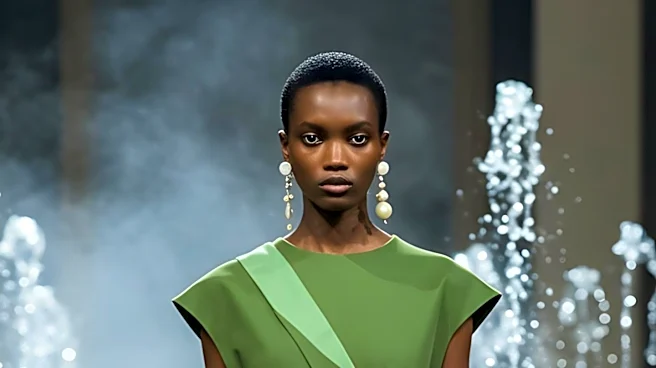
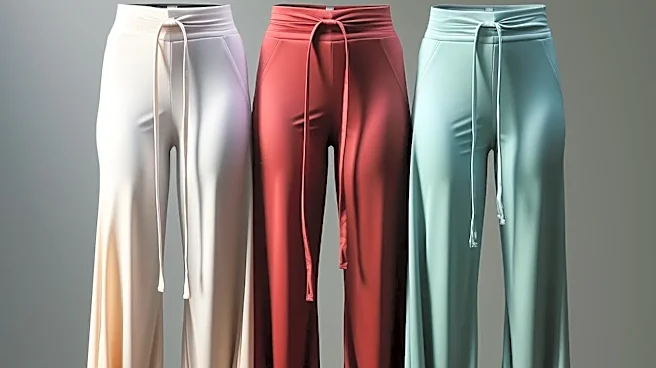
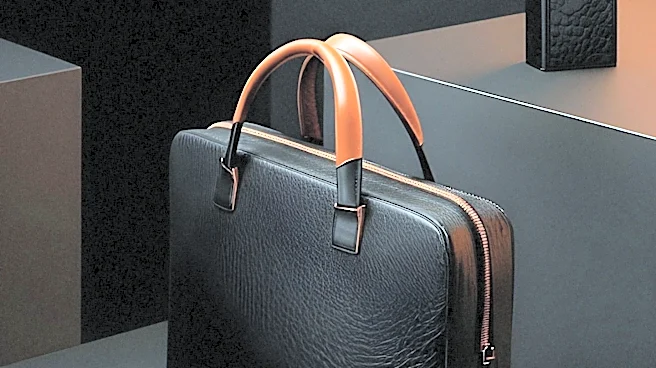
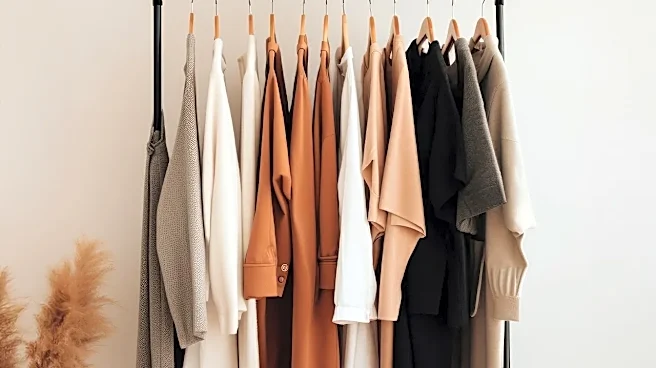
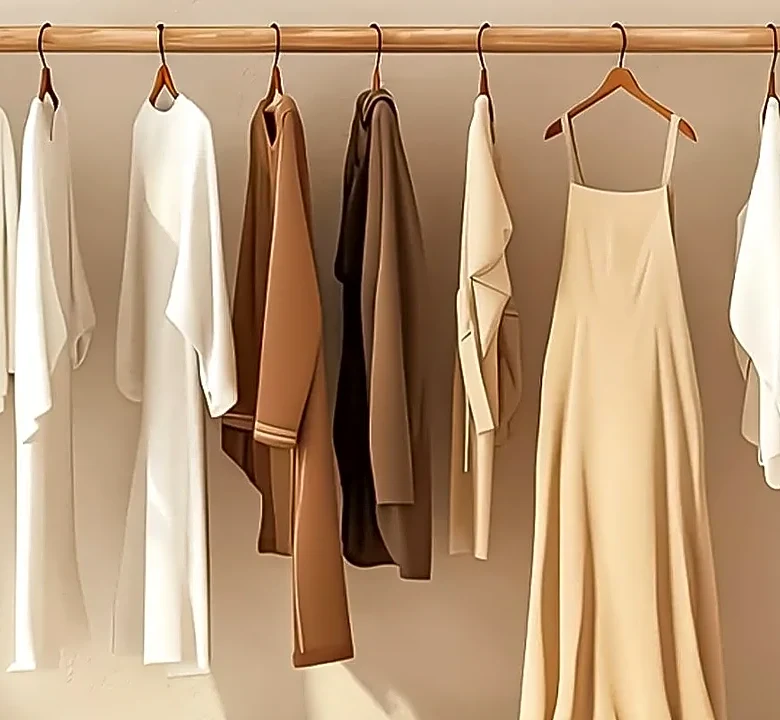
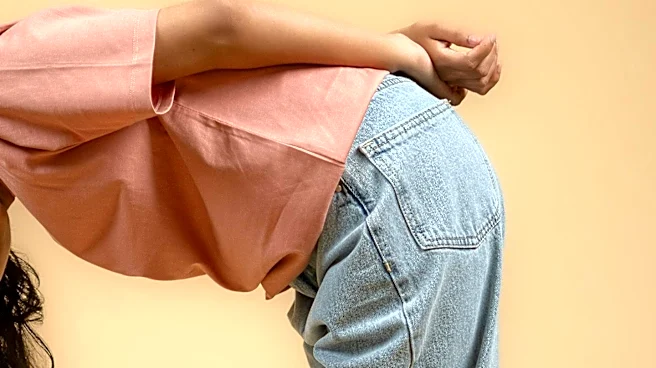
At its core, the cycle moves between two opposite poles. Minimalism, guided by the mantra "less is more," champions simplicity, functionality, and restraint. Think of the clean, tailored silhouettes of designers like Calvin Klein in the '90s, the rise
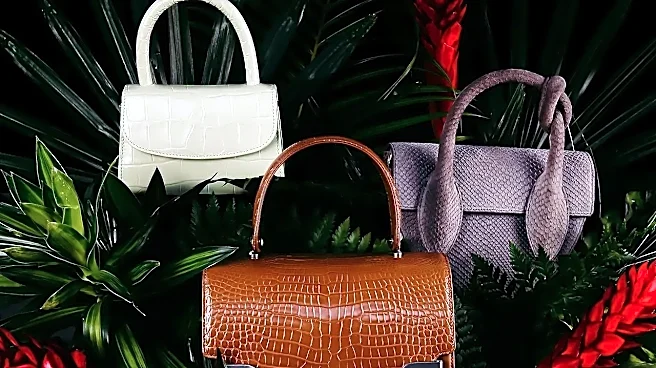
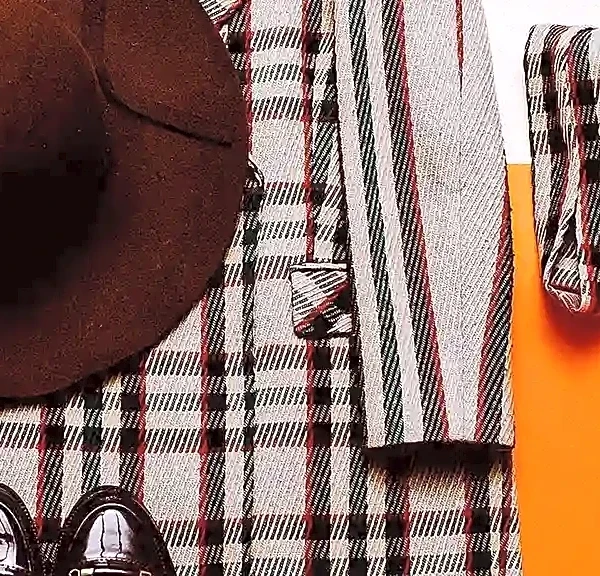
of monochromatic outfits, and the recent obsession with "quiet luxury.". This aesthetic prioritizes timeless, high-quality pieces over fleeting trends, often featuring neutral color palettes and a rejection of overt branding. Maximalism, on the other hand, is the philosophy of "more is more." It celebrates extravagance, expression, and a kind of joyful chaos. This style is defined by bold colors, lavish patterns, layered textures, and a flair for the dramatic, as seen in the opulent work of designers like Gianni Versace or Gucci's Alessandro Michele. It’s a visceral, visual feast that leans into personality and individuality.
The Allure of Less: Why Minimalism Takes Hold
A shift toward minimalism often reflects the broader mood of society, particularly during times of economic uncertainty. When recessions hit or the future feels unstable, fashion tends to become more practical and understated. Consumers prioritize longevity and value, investing in versatile basics that will last rather than disposable fast fashion. This turn towards simplicity is also a psychological response to an overstimulated world. In an era of digital noise and constant content, a minimalist wardrobe can feel like a calming force, an attempt to create order and clarity. Furthermore, a growing awareness of sustainability has made conspicuous consumption feel dated to some. The minimalist focus on buying fewer, better things aligns with a desire for a more mindful and environmentally friendly approach to style.
The Joy of More: The Inevitable Return of Maximalism
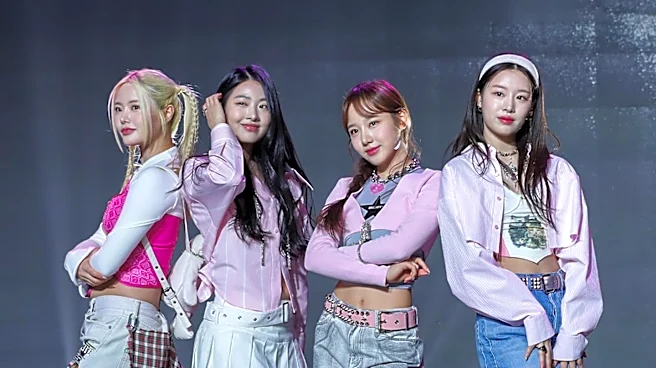
Just as restraint has its moment, so does exuberance. Maximalism often surges as a reaction to periods of austerity, both economic and aesthetic. It can be a form of escapism and a celebration of renewed optimism. After times of crisis or restriction, there’s often a collective desire to dress up, be seen, and express a sense of liberation and fun. The rise of social media has also fueled maximalist tendencies. In a crowded digital landscape, bold, eye-catching outfits are more likely to stand out on a feed. Trends like the "weird girl aesthetic" on TikTok show a desire for unique, personalized looks that defy uniform minimalist standards. For many, maximalism isn't just about excess; it's about reclaiming individuality, using clothing to convey a unique story, and finding joy in the creativity of getting dressed.
The Pendulum That Never Stops
The cycle between minimalism and maximalism is self-perpetuating because each trend creates the conditions for its opposite to thrive. As one aesthetic becomes dominant and saturates the market, it starts to feel predictable and even boring. Human nature tires of too much moderation, just as it can get fatigued by sensory overload. Fashion, at its heart, is driven by a desire for what feels new and fresh. When everyone is wearing beige, a burst of color feels revolutionary. When every outfit is a riot of pattern, a simple, elegant silhouette suddenly seems incredibly chic. This dynamic is like a law of physics for fashion: for every action, there is an equal and opposite reaction. Each movement is a direct response to what came before it, ensuring the pendulum will always swing back again.