


From Stage Uniform to Style Statement
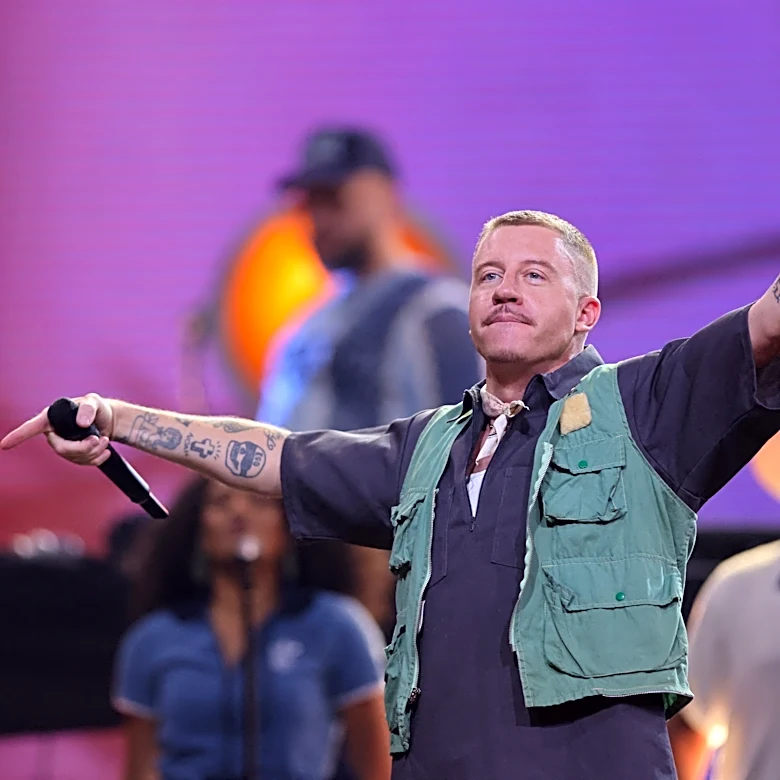
For decades, the unofficial uniform of a touring rock band was an exercise in deliberate nonchalance. Think faded denim, worn-out band tees (often not their own), and a general sense that the music was all that mattered. But look at the main stages of major
music festivals today, and you’ll see a significant shift. Indie darlings boygenius stride out in custom-designed Thom Browne suits, a modern twist on classic menswear. The trio MUNA presents a unified front, their individual styles harmonizing into a cohesive, carefully considered whole. Even bands like The 1975 have built their careers on evolving, highly curated aesthetics for each album cycle, where the clothes are as much a part of the era as the music. This isn't just a handful of bands deciding to dress up; it's a micro-trend signaling a deeper change in how musical artists approach their public image. The look is now part of the performance.
The Instagram-Ready Moment
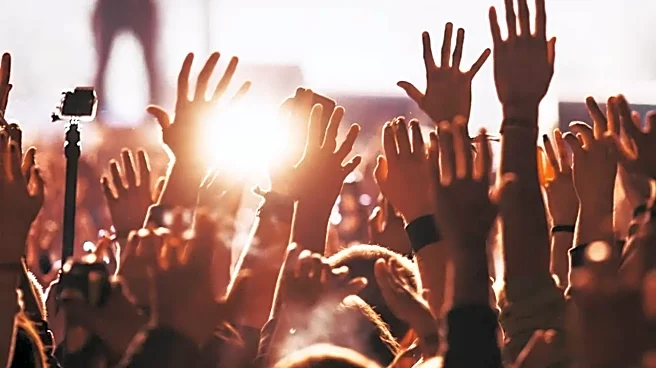
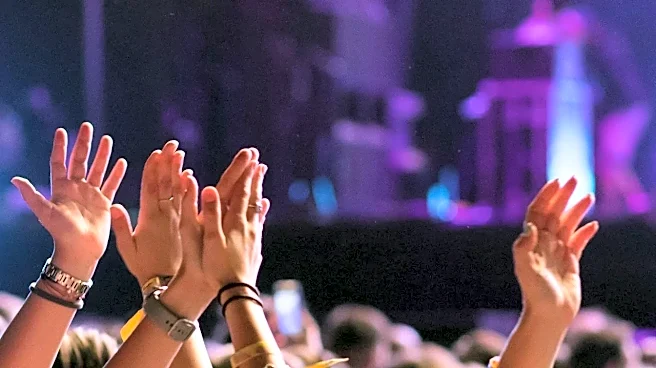
The primary driver behind this visual cohesion is the new economy of music and the inescapable influence of social media. A headlining slot at a festival is no longer just a concert; it's the creation of thousands of pieces of content. Every fan with a smartphone is a potential photographer and videographer, and their posts on Instagram, TikTok, and YouTube become a huge part of the tour's marketing. A strong, unified visual identity makes a band instantly recognizable and infinitely more shareable. Coordinated outfits create a powerful, aesthetically pleasing image that stands out on a cluttered feed. It ensures that whether a fan snaps a blurry photo from the back of the crowd or a professional photographer captures a stunning close-up, the band's intended image remains intact. It’s a strategic move to control the narrative in a world where fans and algorithms have an outsized say in an artist's reach.
The Stylist Is the New Sixth Member
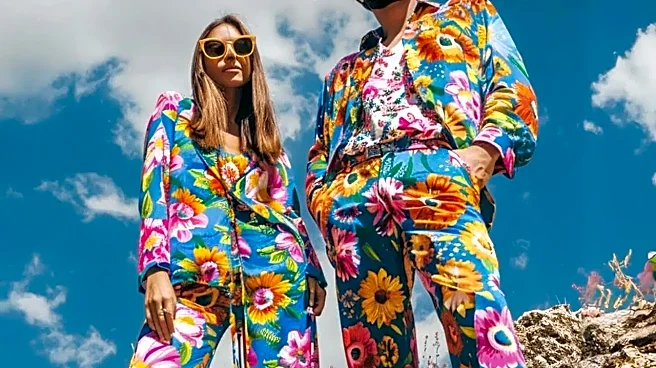
This shift has also elevated the role of the fashion stylist from a luxury for solo pop stars to an essential collaborator for full bands. Stylists are increasingly working with groups to develop a visual language that complements their sound. For bands like MUNA, this process involves creating mood boards and working closely with a stylist to translate their individual personalities into a group look that feels authentic yet elevated. The goal isn't necessarily to wear identical costumes, but to create harmony. It can be a shared color palette, a similar silhouette, or a thematic link that ties them together. This professional guidance helps bands navigate the worlds of fashion and branding, ensuring their stage presence feels as intentional as their album art and music videos.
More Than Just Clothes
While the commercial benefits are clear, for many artists, the coordinated wardrobe is also a powerful form of artistic expression. A band's clothing can serve as a form of world-building, extending the themes of an album into the live show. Boygenius wearing suits isn't just a fashion choice; it subverts traditional male-dominated rock imagery and projects a unified strength. It’s a visual representation of their identity as a cohesive unit. Similarly, fans have begun participating in this trend, showing up to concerts in outfits that reference an album's aesthetic, creating a communal experience that blurs the line between performer and audience. The wardrobe becomes another layer of the story, a way for the band to communicate who they are and what their music represents without saying a word. It’s a signal that they take every aspect of their art seriously, right down to the threads they wear on stage.