





The All-Important Origin Story
Every superhero has one. It’s the pivotal moment of transformation, the event that turns an ordinary person into something more. We watch Bruce Wayne’s parents perish in an alley, see Peter Parker get bitten by a radioactive spider, or witness Tony Stark
build his first suit in a cave. These origin stories are fundamental to our connection with the characters; they explain the “why” behind the hero. They turn legends into relatable figures by showing us their formative journeys. Historical epics focused on the Founding Fathers operate on the same principle. Shows like HBO's “John Adams” or the musical “Hamilton” are, in essence, national origin stories. They fixate on the moment of creation—the debates in Philadelphia, the signing of the Declaration, the brutal winters at Valley Forge—when a collection of flawed individuals became architects of a nation. We are drawn to these narratives of beginnings, whether for a hero or a country, because they provide a sense of logic and meaning to the monumental events that follow.
A Team of Rivals and Ideological Battles
Modern superhero sagas have moved beyond simple good-versus-evil plots. The most compelling conflicts are often internal, pitting hero against hero in battles of ideology. The clash between Captain America’s steadfast morality and Iron Man’s pragmatic futurism in “Captain America: Civil War” is a prime example. The central conflict isn't about defeating a villain, but about debating how power should be used and who should be held accountable. This mirrors the core drama of the founding era. The intellectual sparring between the Federalist Alexander Hamilton and the Democratic-Republican Thomas Jefferson was a battle for the soul of the new republic. These weren’t just political disagreements; they were fundamental clashes of worldview about economics, governance, and the nature of liberty. Dramatizations of the period, like the “John Adams” miniseries, thrive on these intellectual duels, showing that the real battles were fought not just with muskets, but with ideas.
The Burden of a Glorious Purpose
With great power comes great responsibility—a theme central to nearly every superhero arc. These characters are defined by the weight they carry. Thor is burdened with protecting Nine Realms, Captain America carries the weight of a nation’s ideals, and Doctor Strange must bear the knowledge of countless terrible futures. Their stories are often about the personal cost of their public mission. This same theme of burdensome purpose animates our portrayals of the Founding Fathers. They are often depicted as brilliant but beleaguered men, fully aware that the fate of their “glorious cause” rests on their shoulders. In “John Adams,” Paul Giamatti’s portrayal is one of a man often isolated and frustrated by the immense responsibility he has assumed. This focus on sacrifice and the psychological toll of leadership makes these historical figures feel less like myths and more like the deeply human, and often conflicted, heroes we recognize from our comic books and films.
Building a New World, Creating a Myth
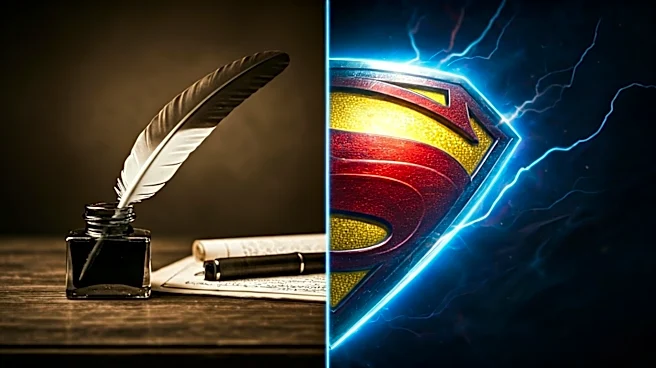
Both superhero films and Founding-Era epics are exercises in myth-making. The Marvel and DC cinematic universes are vast, interconnected worlds built over dozens of films, complete with their own internal logic and history. Likewise, popular history about the founding era often simplifies complex events into a powerful national myth—a story of heroic, visionary men creating a nation dedicated to liberty. Musicals like “Hamilton” lean into this, casting minority actors to portray the founders and using modern musical styles to consciously reframe and reclaim the American origin story for a new generation. This act of reimagining history transforms the founders from distant figures into relatable, dynamic characters who feel like the protagonists of a modern saga. It suggests that both genres fulfill a similar cultural need: the desire for epic stories about exceptional individuals coming together to build something larger than themselves, against impossible odds.