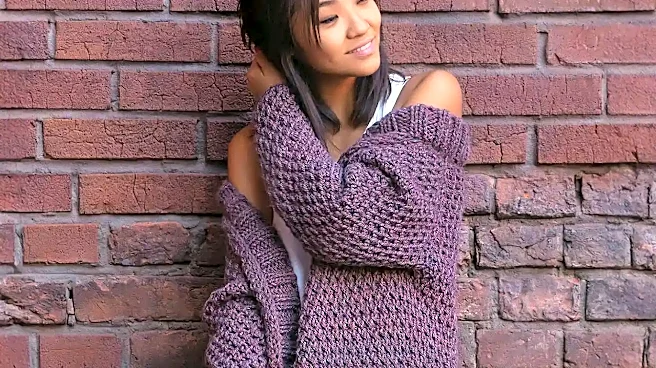

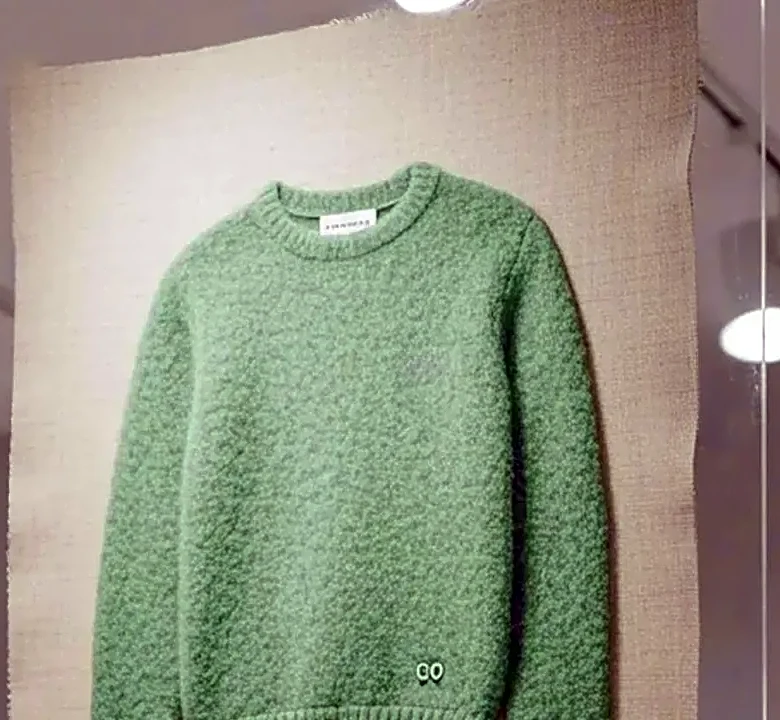




You know the one: that gorgeous, cozy, heavy-knit cardigan that feels like a hug. But after an hour, it’s slipping off your shoulders, pulling at your neck, and generally losing its shape. The problem might not be the sweater, but how you support it.
The Gravity of the Garment
A heavy cardigan is, by its nature, a victim of gravity. Unlike woven fabrics, which have a tight, interlocking structure, knits are made from a continuous yarn looped through itself. This structure gives them their signature stretch and drape, but it's also their biggest weakness. When weight is applied—like the weight of the sweater itself hanging from your shoulders—those loops can slide, shift, and settle into a new, stretched-out position. Cotton and acrylic knits have very little 'memory,' meaning once they sag, they often stay sagged. Hanging a heavy knit on a hanger concentrates all that weight on two small points, leading to those dreaded shoulder bumps and a permanently altered shape. When you wear it, your shoulders become the hangers, and the same slow, downward pull begins.
What Exactly Is Shoulder Stabilization?
Shoulder stabilization isn't about having bodybuilder shoulders. It’s about the coordinated effort of the muscles surrounding your shoulder blades, or scapulae. These muscles—including your rhomboids, trapezius, and serratus anterior—are designed to provide a stable base for all your arm movements. Think of your scapula as the foundation for your shoulder joint. When these muscles are weak or inactive, which often happens from slouching at a desk, your shoulders tend to round forward. In this position, there's no stable, level platform to support your clothing. Instead, the garment simply slides off the forward-sloping curve of your shoulder, pulled down by gravity. Activating these stabilizer muscles helps you maintain a posture where your shoulders are back and down, creating a solid frame for clothes to drape properly.
The Body-First Fix: Awaken Your Posture Muscles
You don't need a gym membership to improve shoulder stabilization; you just need a few moments of awareness. The goal is to gently wake up the muscles that hold your shoulders in a better position. A simple and effective exercise is the 'Shoulder Blade Squeeze.' Sit or stand tall and gently draw your shoulder blades together and slightly down, as if you're trying to hold a pencil between them. Hold for a few seconds, release, and repeat. This small movement helps counter the forward-rounding posture that makes cardigans slip. Another great exercise is the 'Doorway Pec Stretch.' Stand in a doorway and place your forearms on the frame with your elbows bent at 90 degrees. Step forward gently until you feel a stretch across your chest. This helps open up tight chest muscles that pull the shoulders forward, making it easier for your back muscles to do their job.
The Wardrobe-First Fix: Choose Your Cardigan Wisely
While better posture is the ultimate solution, your clothing choices can also make a big difference. When shopping for heavy cardigans, look for signs of structure. Some knits are designed with more stability, such as those with tighter ribbing, defined seams, or even a 'blazer coat' style that has more tailoring built in. These elements help the garment hold its own shape instead of relying entirely on your frame. Also, consider the fit. An extremely oversized cardigan can feel like wearing a blanket, overwhelming your frame and making slippage inevitable. A fit that's comfortably oversized but not gigantic is often more manageable. Finally, when you wear it, pay attention to what’s underneath. Pairing a heavy cardigan with form-fitting clothes helps create a more balanced silhouette and can prevent the whole look from feeling frumpy or weighed down.