




The High-Stakes Premiere
Before a film even screens at a prestigious festival like Venice, a complex financial game is already in motion. Many independent films are financed through pre-sales, where a sales agent sells distribution rights to different global territories based
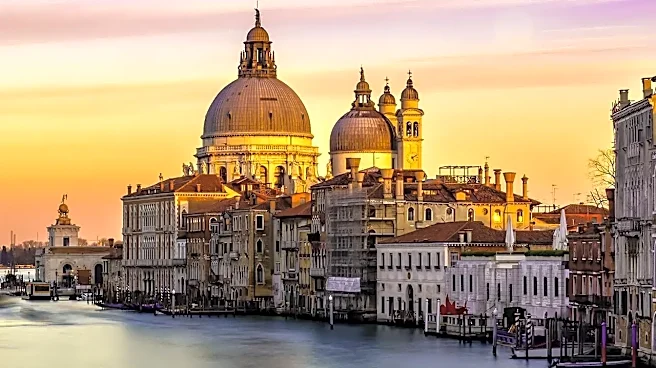
on the script, director, and cast alone. These early deals are a gamble for buyers, who are betting on the film's potential. A world premiere at Venice is the moment this bet is either validated or busted. It isn't just a screening; it's a meticulously crafted launch event designed to ignite buzz among the critics and international distributors gathered on the Lido. The goal is to create an undeniable sense of momentum that makes the film a must-have commodity.
From Applause to Action
The moments after a successful premiere are when the real business begins. As the applause fades and the first rave reviews from trade publications like Variety and The Hollywood Reporter land, sales agents' phones start ringing. These reviews serve as a powerful signal to the market, drastically increasing a film's perceived value and its chances of profitability. A movie that might have struggled to secure buyers can suddenly find itself at the center of a bidding war. Distributors who were hesitant before the screening are now eager to get in on the buzzy title that everyone is talking about. This frenzy is managed by the film's sales agent, who acts as the bridge between the filmmaker and the global network of buyers.
The Territory Domino Effect
Film distribution rights are rarely sold in one big global package. Instead, they are sliced up and sold territory by territory. A territory is a specific geographic market, like North America, the United Kingdom, Germany, or Latin America. After a strong Venice debut, a key distributor—often from the lucrative North American market—will make the first move, acquiring the rights for a significant sum known as a minimum guarantee (MG). This first major sale acts as a vote of confidence, setting a benchmark price and creating a domino effect. Buyers from other territories, fearing they'll miss out, quickly follow suit. A French distributor might acquire the rights for France, a Japanese company for Japan, and so on, each licensing the right to release the film in their specific market across theaters, television, and streaming.
The Modern Streaming Wildcard
In recent years, the territory-by-territory model has been disrupted by the arrival of global streaming services. Giants like Netflix, Apple TV+, and Amazon Prime Video have become major players at film festivals. Instead of buying rights for a single country, they often make aggressive bids to acquire worldwide rights in one blockbuster deal. For a filmmaker, this can be a tempting offer: a huge, guaranteed upfront payment and a simultaneous global release without the complexity of dozens of individual territory deals. However, it can sometimes mean leaving money on the table compared to the potential cumulative revenue from a strategic, piecemeal territory rollout. The decision often comes down to a choice between the security of a global streaming deal and the potentially higher, but riskier, upside of the traditional sales model.