





1. It’s All About the Silhouette
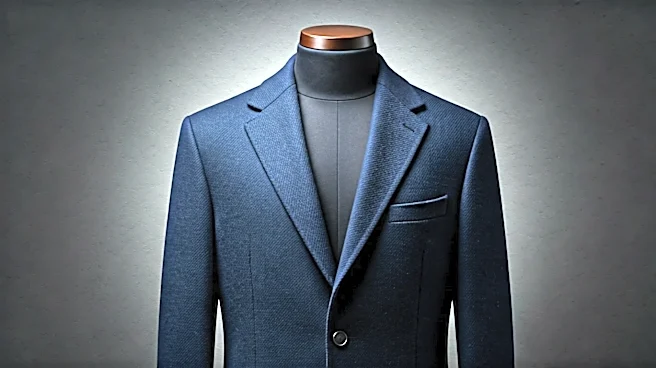
Trend pieces are designed for shock value and fleeting appeal. Their silhouettes are often exaggerated—puffy sleeves, extreme crops, or asymmetrical cuts that are interesting for a season but quickly feel dated. A classic navy coat, on the other hand,
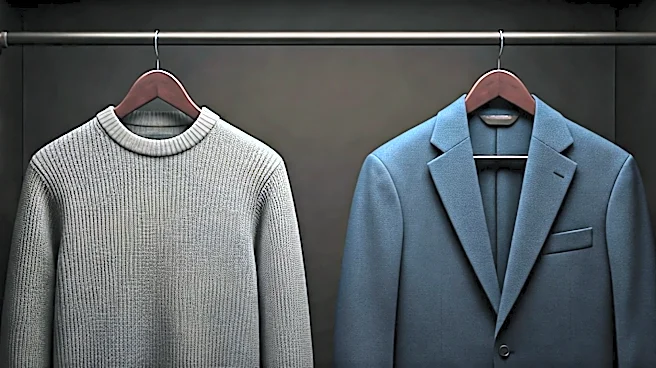
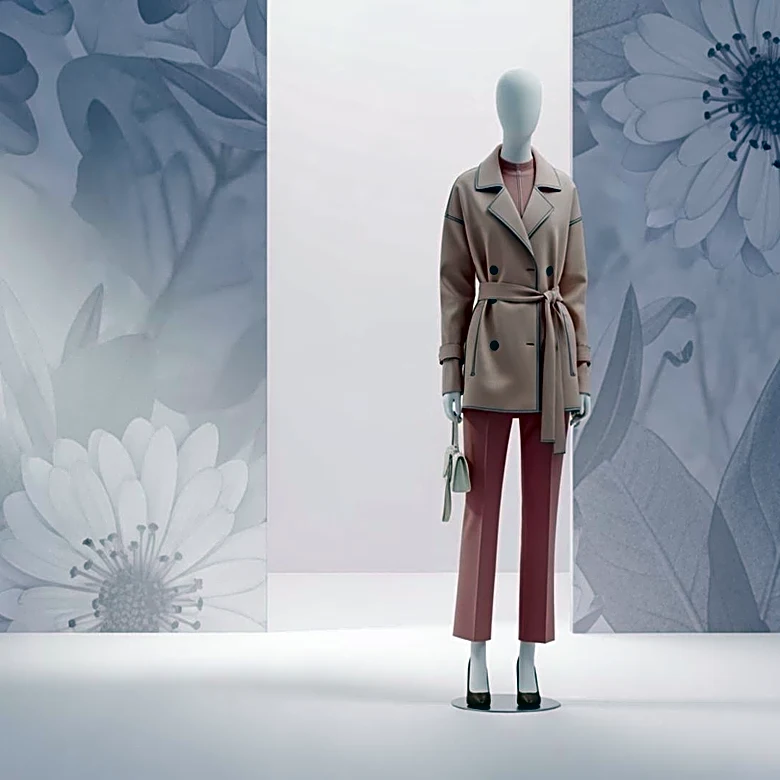
relies on a timeless silhouette. Whether it’s a peacoat, a trench, or a single-breasted wool overcoat, its lines are clean, balanced, and designed to flatter the human form, not distort it. This focus on a strong, enduring shape signals a deeper understanding of design principles. Good tailoring is a hallmark of luxury, and while a trendy jacket might fit awkwardly, a classic coat is built around structure. It drapes correctly, hangs properly from the shoulders, and creates a clean line, all of which our eyes subconsciously register as quality and, by extension, expense.
2. The Power of Versatility
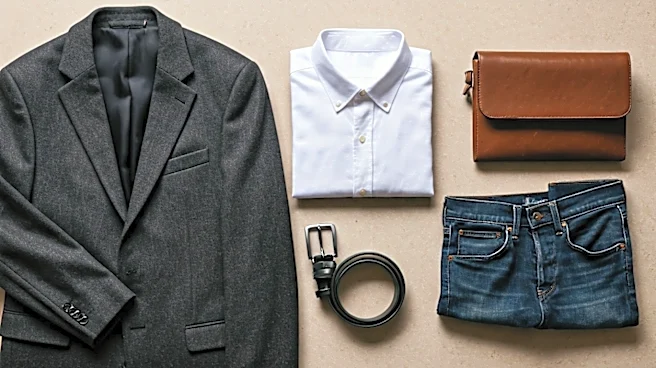
Think about that lime green faux-fur jacket or the vinyl moto you had to have. How many outfits did it really work with? A major component of looking “expensive” is looking effortless and cohesive. A navy coat is the ultimate wardrobe chameleon. It can be thrown over a suit for a business meeting, paired with jeans and a sweater for a weekend brunch, or even worn over a dress for a night out. This incredible versatility means it always looks appropriate and intentional. A trend piece, by contrast, often wears you. It screams “I am a specific trend from fall 2024!” and can clash with anything that doesn't perfectly match its fleeting aesthetic. The navy coat’s quiet confidence allows the rest of your outfit—and you—to shine, which is the truest form of style.
3. Material and Construction Tell the Real Story
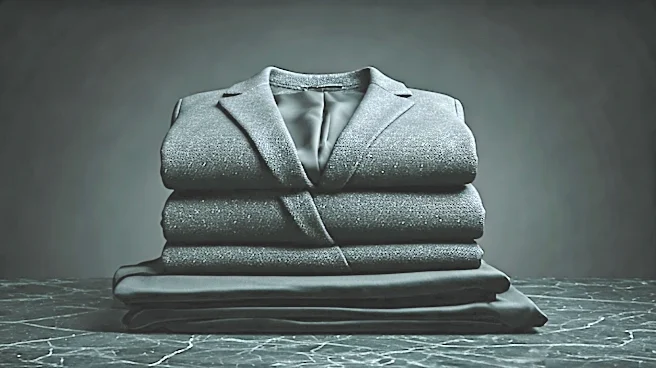
This is where the difference becomes tangible. To keep prices low and churn high, trendy items are almost always made from cheaper materials: polyester, acrylic, and thin cotton blends. These fabrics don't hold their shape, they pill easily, and their colors can look flat or fade quickly. A quality navy coat is typically crafted from a substantial material like wool, a wool-cashmere blend, or a heavy-duty gabardine. These materials have depth, texture, and a natural drape that synthetics can’t replicate. They feel good to the touch and, more importantly, they look it. Look closer and you'll often find better construction, too: solid buttons, clean stitching, and a proper lining. These are the quiet details that separate a garment designed to last for years from one designed to last for a few Instagram posts.
4. The Psychology of a Sophisticated Neutral
Color is a powerful psychological trigger. Bright, loud, or unusual colors are exciting, but they are also visually demanding and can become tiresome. Navy blue sits in a special category of neutrals. It's softer than black, more formal than gray, and carries connotations of authority, stability, and tradition (think naval uniforms and tailored suits). It’s a color that has been a staple of sophisticated wardrobes for centuries. Because it isn’t vying for attention, it projects a sense of security and self-assurance. A trendy neon or pastel might be fun, but it lacks the gravitas of a deep, rich navy. When someone wears navy well, they look composed and in command, which we intuitively associate with status and luxury.
5. It Represents an Investment Mindset
Ultimately, the navy coat looks more expensive because it represents a different philosophy of dress. Fast-fashion trend pieces are disposable. They are bought on impulse to scratch an itch, worn a few times, and then discarded. Their value is purely temporary. A classic coat is an investment. It’s something you research, save for, and intend to keep for years, if not decades. This “cost-per-wear” logic is fundamental to building a truly high-end wardrobe. While the initial price tag may be higher, a coat you wear 200 times is far “cheaper” than a $50 jacket you wear twice. This deliberate, long-term approach to building a wardrobe is a luxury mindset, and the coat itself becomes a symbol of that discerning taste.