



The Science of the Startle
First, let's break down the jump scare itself. At its core, it's a biological hack. Filmmakers use a sudden, jarring sound combined with an unexpected visual threat to trigger our acoustic startle reflex. This is a primitive, defensive response that bypasses
conscious thought. Your brain's amygdala, its danger detection center, goes into overdrive, flooding your system with adrenaline and cortisol before you even have a chance to remember you're just watching a movie. This physiological jolt—the racing heart, the quick intake of breath, the flinch—is the raw material of fear. The best jump scares build tension, lull you into a false sense of security, and then shatter the quiet, making the reaction almost impossible to suppress.
Fear Is Contagious
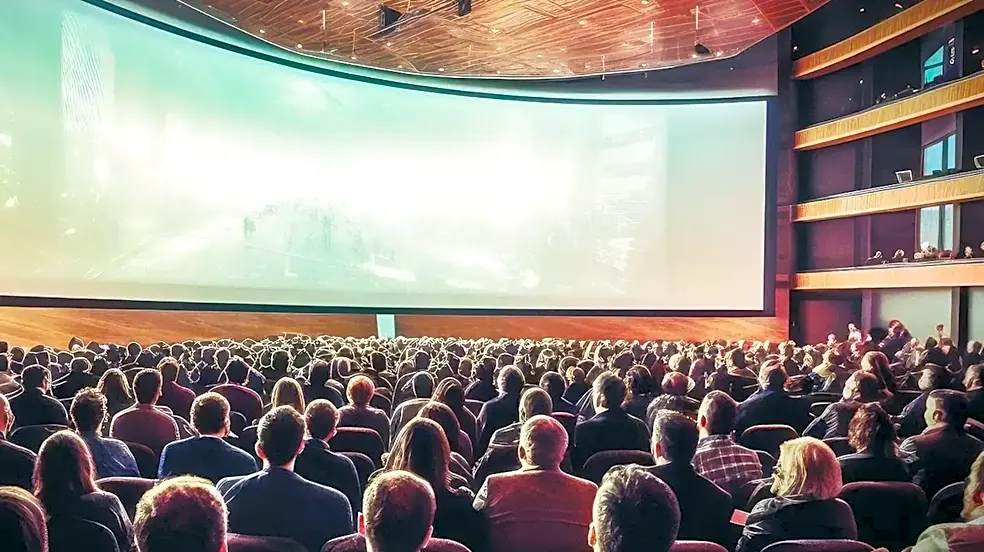
Now, place that biological reaction inside a packed theater. The key ingredient that changes everything is the crowd. Humans are wired for what psychologists call 'emotional contagion'. We instinctively mirror the emotions of those around us. When one person gasps, screams, or jumps, it sends a non-verbal cue to everyone else that the threat is real, amplifying the collective response. A single scream validates your own fear, creating a feedback loop of shared terror that ripples through the room. You're not just reacting to the screen; you're reacting to the hundreds of other people who are also reacting. This shared experience makes the emotion feel bigger, more intense, and more immediate than it would if you were watching alone on your couch.
An Assault on the Senses
A home television simply can't compete with the technical power of a modern cinema. Theatrical sound design is a crucial, often invisible, tool in a horror director's arsenal. Theaters use surround sound systems to create an immersive audio environment, enveloping you in the film's world. Sound designers meticulously layer eerie music, unsettling ambient noises, and jarring sound effects to manipulate audience emotions. They often use low-frequency sounds, sometimes called infrasound, that create a physical sense of unease or dread without you even realizing it. When the jump scare finally arrives, the explosive sound is delivered with a force and clarity your home setup can't match, maximizing its physical and psychological impact.
The Halloween Ritual
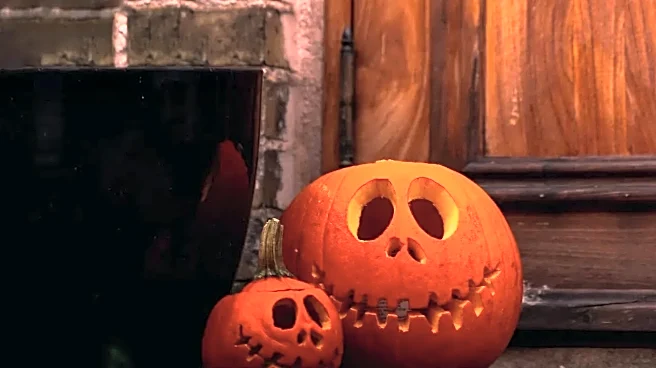
Finally, context is everything. Going to a horror movie around Halloween isn't just a casual outing; it's a ritual. The entire season is dedicated to embracing the spooky, the transgressive, and the macabre. This cultural priming means you walk into the theater already expecting and wanting to be scared. Sociologists note that Halloween rituals allow us to explore anxieties around death and danger from a safe distance. This shared cultural agreement—that for two hours, we're all here to get frightened together—lowers our psychological barriers. The act of gathering as a community to face a simulated threat strengthens social bonds, turning the frightening experience into a unifying and even exhilarating event.