



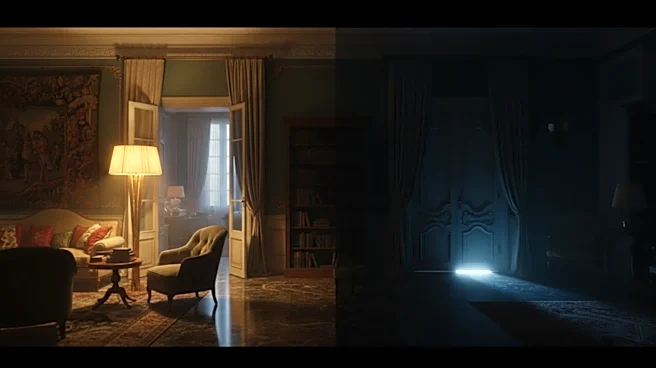


The Cozy-Mystery Contradiction
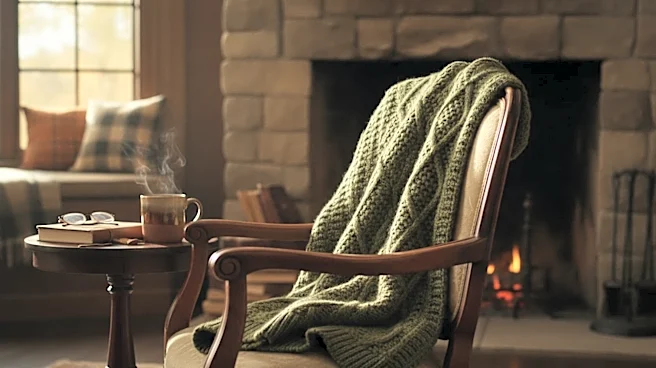
There’s a killer paradox at the heart of Hulu’s hit series. The visuals are pure comfort: The grand, historic Arconia, bathed in the golden light of a New York autumn, and its residents wrapped in luxurious, tactile knitwear. Yet, the plot is anything
but comfortable. It’s a show about murder, obsession, and secrets. This deliberate clash is the genius of its aesthetic. The fashion, particularly the sweaters, acts as a soothing balm against the grim reality of the narrative. It’s a classic cozy-mystery move, lulling the audience into a false sense of security. While you're admiring a perfectly chunky cardigan, you might almost forget you're watching a show where a character was just stabbed with a knitting needle. That tension between the comforting and the criminal is what defines “suspense wear”—clothing that disarms you just before the plot twists.
Character Through Cable-Knit
The show's Emmy-nominated costume designer, Dana Covarrubias, uses fashion as a primary tool for character development. Each protagonist's wardrobe is a window into their psyche. Mabel Mora (Selena Gomez) wears her bold, often brightly colored sweaters and coats like a suit of armor. Covarrubias has explained that Mabel's vibrant style is a warning signal, like a brightly colored animal in nature: “Beware. Danger. Leave me alone. Back off.” Her iconic marigold jacket and endless supply of statement knits project a guarded, defensive posture. In contrast, Charles-Haden Savage (Steve Martin) finds comfort in repetition; his wardrobe is a sea of muted blues and reliable, unchanging silhouettes that reflect his desire for a simple, ordered life. And then there's Oliver Putnam (Martin Short), the flamboyant theater director whose personality is splashed across his collection of dramatic scarves and jewel-toned jackets. His clothes are a performance, an external projection of the showman inside.
The Covarrubias Method
Dana Covarrubias is meticulous in her approach, embedding thematic clues within the characters' outfits. Each season, she adopts a central influence for her designs. Season 1 drew inspiration from the classic Hardy Boys novels, giving the show its initial, slightly nostalgic feel. For Season 2, she turned to Alfred Hitchcock, using a black-and-white color palette for Mabel to reflect her internal conflict and memory blackouts. This allowed the clothing to mirror the character's psychological state—is she good or bad, drawn to the light or the dark? Covarrubias sees the show as one about people seeking connection, and the costumes reflect their individual journeys. She doesn't just dress the actors; she builds a visual mystery within the larger mystery, challenging viewers to spot the references and understand their meaning. It's a method that has turned the show's wardrobe into a subject of intense fan speculation and admiration.
More Than Just A Look
The impact of the show's fashion has extended far beyond the screen, cementing the series as what some have called the “best-dressed show on TV.” Mabel’s seemingly endless collection of enviable coats and sweaters—explained away as treasures from her wealthy aunt's closet—sparked an online frenzy, with fans desperate to find similar pieces. This phenomenon wasn't entirely accidental. Covarrubias noted how producers recognized the power of a single viral outfit during filming, joking that the show was no longer just about murder, but about coats. This blend of aspirational style and grounded, character-driven choices has created a new kind of fashion icon. The appeal lies in the combination of style and comfort—clothes that look amazing but are also practical enough for running around the city, chasing down clues, and, of course, staying warm.