






The Unseen Sound Engineer
You're standing halfway back from the stage, and the vocals suddenly seem to vanish, only to surge back moments later. It’s not your ears, and it’s not always the fault of the person at the mixing board. It’s the wind acting as an unpredictable sound
engineer. Sound travels in waves, and in an open space like Zilker Park, wind can wreak havoc. A strong gust can literally blow high-frequency sounds—the ones that give vocals and guitars their crispness and clarity—away from sections of the crowd. Crosswinds can bend the sound, making it seem like it's coming from a slightly different direction. Audio engineers are pros who anticipate some of this, but gusts are chaotic. Wind moving at different speeds at different heights, known as wind gradient, can refract sound, bending it upward away from the audience or downward, causing fluctuations in volume depending on where you stand. So, that moment of muffled music isn’t random; it’s often physics, delivered by a breeze.
When Stages and Screens Become Sails
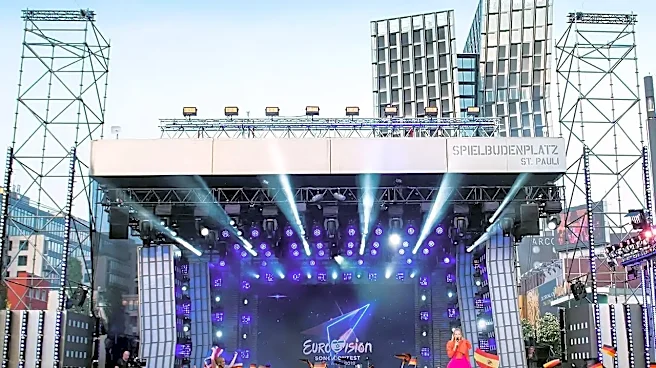
Look up at the massive LED screens flanking the main stages or the intricate lighting rigs suspended high above the artists. To a festivalgoer, they’re part of the spectacle. To a production manager, they are giant sails. Temporary outdoor structures are uniquely vulnerable to strong winds. Sudden, powerful gusts can exert immense force on these flat surfaces, creating a serious safety risk. This is why festival organizers have detailed high-wind action plans. If wind speeds hit a certain threshold, crews are instructed to take immediate action. This can include lowering video screens and lighting trusses, or even removing large fabric banners and backdrops that can catch the wind. While it might seem like a technical glitch when a screen goes down, it’s often a deliberate, safety-first decision. In extreme cases, wind and storm threats can lead to temporary evacuations or, as has happened at other major festivals, cancellations to prevent structural collapse.
The Vibe Shift: Dust, Chill, and Comfort
Beyond the technical concerns, wind directly impacts the fan experience on the ground. Zilker Park is a sprawling, often dusty expanse, and a steady wind can turn a pleasant day into a gritty ordeal, kicking up dirt and allergens that irritate eyes and throats. It also plays a huge role in temperature regulation. On a scorching Texas afternoon, a breeze is a welcome relief. But as the sun sets, that same wind can introduce a significant wind chill, sending underdressed fans shivering and searching for a hoodie. Wind can even affect the performance itself. Artists have to contend with wind noise in their microphones and in-ear monitors, and special effects like fog, smoke, or pyrotechnics can be scattered, diminished, or rendered unsafe by unpredictable gusts. It’s a constant battle for performers trying to deliver a perfect show while the elements have other plans.
An Increasingly Unpredictable Element
While festival producers have always planned for weather, the increasing frequency of severe and unpredictable weather events due to climate change has made wind an even more critical factor. Organizers now rely on sophisticated weather monitoring that goes beyond a simple forecast, tracking site-specific wind speeds and gusts in real-time. This allows them to make informed decisions to protect the tens of thousands of fans in attendance. In recent years, major festivals worldwide have been forced to cancel or postpone dates due to extreme weather, including high winds and storms. This highlights how fragile these massive outdoor gatherings can be. The safety plans at ACL are robust, with protocols for communicating weather-related changes via on-site screens, loudspeakers, and the official app.