



The Analog Gauntlet: A Physical Process
First, the sheer physicality of capturing a concert before the digital age was a monumental task. Unlike today's nimble digital cameras, crews in the 70s and 80s were wrestling with massive film or analog video cameras. Shooting on film was expensive
and each roll had limited capacity, meaning every shot had to be carefully planned. Audio was a separate beast entirely, captured on giant multi-track tape recorders. Syncing the audio from dozens of microphones with the footage from multiple cameras was not a simple drag-and-drop process; it was a painstaking, manual effort that began long after the last encore. Simply getting the raw materials—cans of film and reels of audio tape—from the stadium to the editing bay was a significant logistical step. There was no 'cloud' to upload to, only trucks and couriers.
The Long and Winding Post-Production Road
Once the raw footage was secured, the real work began. Post-production was an artisan craft. Editors would physically cut and splice film or videotape to assemble the show. Color grading wasn't a click-and-drag filter; it was a complex photochemical or electronic process to ensure the concert's lighting translated correctly to the TV screen. The most crucial part was the sound mix. Engineers would spend weeks balancing instruments, vocals, and the roar of the crowd from dozens of audio tracks into a polished stereo mix that would sound good through television speakers. This entire process—from editing the picture to mixing the audio—could easily take several weeks, if not months, to perfect. Each step required expensive machinery and highly specialized technicians, turning post-production into a significant time and budget consideration.
The Battle for the Airwaves
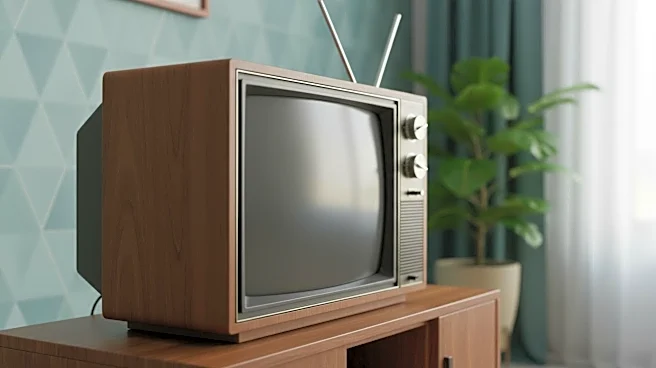
Finishing the concert film was only half the battle; getting it on television was the other. In the pre-cable-everywhere era, broadcast options were limited. A handful of networks, and later premium channels like HBO or MTV, held all the power. Landing a slot for a concert special involved lengthy negotiations between the artist's management, record label, and the network. These deals determined everything from the broadcast date to advertising rights and repeat airings. HBO, for instance, became a major player in the 1980s by funding and broadcasting exclusive concert specials from superstar artists, turning them into must-see events. MTV also played a huge role, not just with music videos, but with live concert broadcasts and specials that defined a generation of music fans. This scarcity of airtime meant that even a finished product might have to wait for an available slot in the network's schedule.
The Hype Machine as a Feature, Not a Bug
Ultimately, the delay wasn’t always seen as a negative. Promoters and record labels became masters at using the waiting period as a powerful marketing tool. The weeks leading up to a TV special were filled with radio spots, magazine ads, and TV commercials, all building anticipation. This turned the broadcast into a communal, can't-miss event. Unlike today's fragmented viewing, the whole country might tune in at the same time to see Michael Jackson's 'Motown 25' performance or Queen's set from Live Aid. The wait transformed a concert from a one-night affair into a prolonged cultural moment, driving album sales and cementing an artist’s legacy. It created a shared experience, a national appointment with your favorite band that you discussed at school or work the next day.