





The Science of the 'Pill'
That frustrating pilling—those little balls of product that appear when you layer skincare or makeup—is essentially a sign of incompatibility. It happens when products with conflicting formulations are applied on top of each other without enough time
to absorb, or when they’re simply not meant to mix. Think of it like trying to mix oil and water. Certain ingredients repel each other, and instead of forming a smooth, cohesive layer, they separate and clump together. This is most common with the polymer-forming agents found in both sunscreens and makeup, which are designed to create a film on the skin. When two different films clash, pilling is the unfortunate result.
The Golden Rule: Match Your Bases
The single most important factor for seamless layering is the base of your products. Most cosmetics, including sunscreens and skin tints, are either water-based or silicone-based. Layering a water-based product over a silicone-based one (or vice versa) is the fastest route to pilling city. How can you tell? Check the first few ingredients on the label. * **Water-Based:** The first ingredient will be "Aqua" or "Water." These formulas feel lightweight and absorb quickly. * **Silicone-Based:** You'll see ingredients ending in "-cone," "-conol," or "-siloxane" near the top of the list (e.g., dimethicone, cyclohexasiloxane). These give products that silky, smoothing, primer-like feel. For a flawless finish, pair a water-based sunscreen with a water-based skin tint. If you love the blurring effect of a silicone primer and foundation, make sure your sunscreen is also silicone-based. Like attracts like.
Texture Matters: Seek Out Gels and Serums
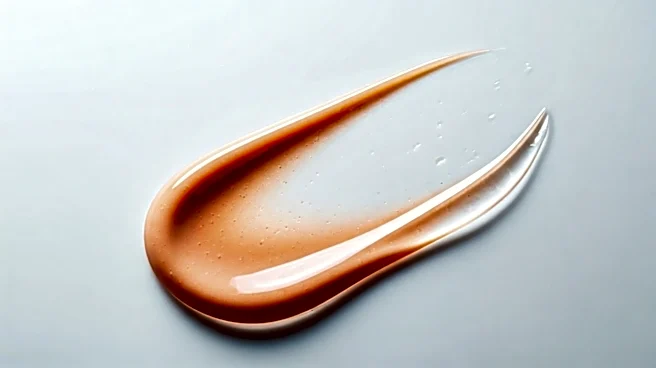
Beyond the base ingredients, the physical texture of your sunscreen plays a huge role. Heavy, occlusive creams are more likely to create a thick film that can be disrupted by makeup application. Instead, look for modern formulations designed for cosmetic elegance. Sunscreens described as "gels," "serums," "essences," or "invisible fluids" are your best bet. These formulas are typically lightweight, absorb rapidly, and dry down to a non-greasy, imperceptible finish. Chemical sunscreens often have an advantage here, as their filters (like avobenzone and octocrylene) can be formulated into thinner, more elegant vehicles than mineral filters (zinc oxide and titanium dioxide). However, many new-generation mineral sunscreens now use micronized particles to achieve a much lighter, less pasty texture that also layers well.
Master Your Application Technique
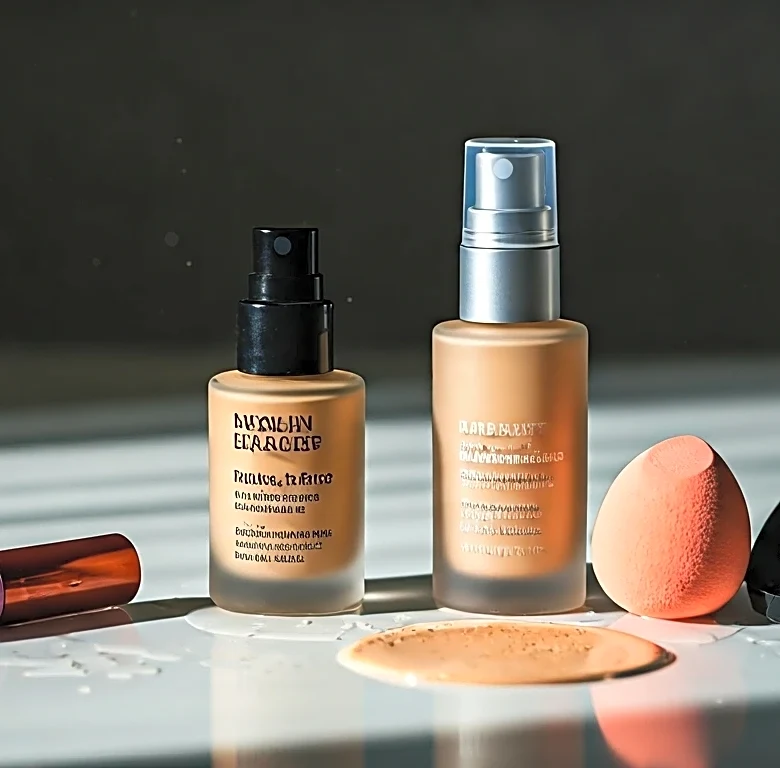
Sometimes, the problem isn’t the product—it’s the process. Even with perfectly matched formulas, rushing your routine can cause pilling. The key is patience. First, give your sunscreen time to set. After applying the correct amount (about a nickel-sized dollop for the face), wait at least 3-5 minutes before moving on to makeup. This allows the sunscreen to form a stable, even film on your skin. Second, change how you apply your skin tint. Instead of rubbing or buffing it in with a dense brush, which can disturb the sunscreen layer underneath, try a gentler approach. Use your fingers, a damp sponge, or a stippling brush to lightly pat and press the product into your skin. This technique deposits pigment without displacing the SPF protection you so carefully applied.
Keywords to Look For
When you're shopping for a new sunscreen, brands often leave clues on the packaging to signal that their product is makeup-friendly. Keep an eye out for descriptions like: * "Layers invisibly under makeup" * "Primer + SPF" * "Clear" or "Invisible" finish * "Non-greasy" and "Non-pilling" * "For daily wear" These terms are marketing, yes, but they also indicate that the formula was specifically tested and designed with cosmetic layering in mind, saving you from a lot of trial and error.