





The Runway vs. 'Real' Life
A runway show is pure theater. Designers present avant-garde, often conceptual pieces to tell a seasonal story. While stunning, these looks can feel distant from a shopper's everyday reality. A celebrity's front-row outfit, however, is different. Even
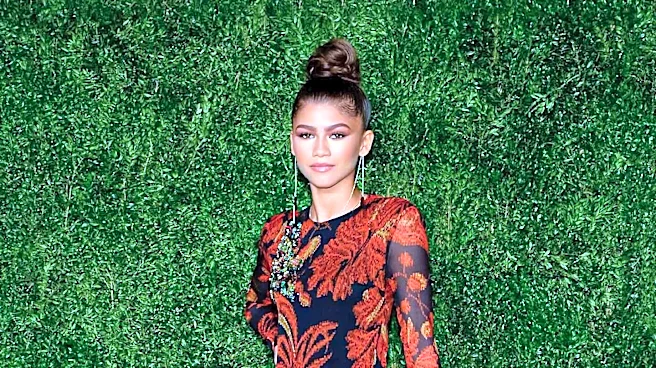
if it's high-end, it's styled for an actual person to wear in a specific context. It’s a look that has been translated from the abstract to the aspirational-but-achievable. This perceived relatability is powerful; consumers can more easily imagine themselves in Zendaya's tailored suit at a Louis Vuitton show than in an abstract piece from the collection itself. [5, 20] This provides a blueprint for style that feels more immediate and personal than what the models are wearing just a few feet away. [9]
The Social Media Multiplier Effect
The moment a celebrity like Rihanna or Zendaya arrives at a show, their image is captured and broadcast globally within seconds. [3, 9, 27] Social media platforms like Instagram and TikTok become a digital catwalk where a single post can generate millions of views, likes, and shares. [1, 23] This instant, widespread visibility creates a 'see it, want it, buy it' mentality that traditional runway coverage can't match in speed or scale. [11] Brands and stylists know this, often providing 'shoppable' links or tagging the exact pieces worn. A celebrity's post can lead to a specific item selling out in minutes, a phenomenon dubbed the 'Meghan Markle Effect' after a bag she carried sold out 11 minutes after photos appeared online. [1] This turns the front-row guest into a powerful, real-time marketing engine. [6, 16]
Buying a Piece of the Persona
Shoppers aren't just buying a jacket or a handbag; they're buying into the celebrity's persona. [2] There's a psychological connection where consumers associate the product with the admired qualities of the celebrity—their confidence, coolness, or success. [2, 22] When Rihanna wears a piece, her choice feels authentic to her trendsetting, rebellious brand. [3, 7] Fans feel a personal connection, and owning the same item is a way to express a shared identity or aspiration. [2] This is different from a designer's vision, which is about the brand's identity. Celebrity influence is rooted in personal identity, and in an age of self-expression, that's often a more compelling story for shoppers to buy into. [14, 21]
A Deliberate Business Strategy
A celebrity's presence in the front row is rarely a coincidence; it's a calculated marketing move. [4, 16] Brands pay enormous appearance fees or enter into lucrative ambassador deals to secure the right faces for their shows. [24] These celebrities are often dressed in current or past-season items that are actually available for purchase, unlike the future-season collections on the runway. This makes them highly effective, living advertisements. Their job is not just to watch the show, but to *be* the show for a different audience—the global consumer. [4] By placing a shoppable look on a highly visible person, brands create a direct and powerful pathway to sales that complements, and sometimes eclipses, the purpose of the runway show itself. [1, 6]