


The Psychology of the Wait
For the thousands of fans who line up for days for events like San Diego Comic-Con's Hall H presentations, the experience is about far more than just getting a good seat. It's a communal rite of passage. The shared hardship—braving the elements, sleeping
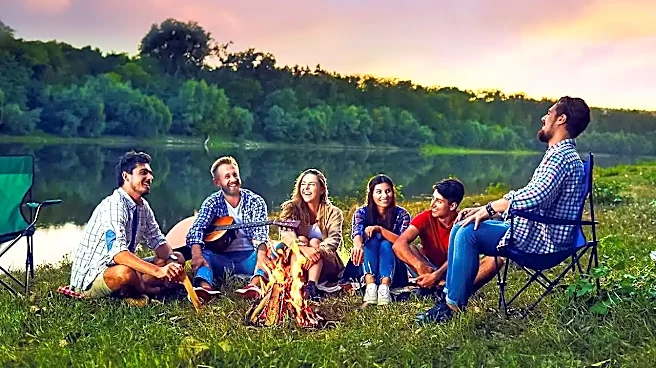
on concrete, and coordinating bathroom breaks—forges an intense, temporary community. Friendships are born in these queues, bonded by a shared passion for a specific movie, show, or star. In a digital world, these physical gatherings fulfill a deep-seated need for connection and belonging. This behavior is also driven by what psychologists call psychological ownership. By investing significant time, energy, and discomfort, fans feel a deeper, more personal stake in the property they're there to celebrate. It transforms them from passive consumers into active participants in the cultural moment. Being among the first to see a new trailer or hear a major announcement provides a sense of exclusivity and status within the fandom. It’s a story they get to tell, proof of their dedication that confers a kind of cultural capital. This experience, shared instantly on social media, solidifies their identity as a true 'superfan'.
The Ultimate, Unpaid Focus Group
While fans are building community, studio executives are gathering invaluable data. These massive, self-organizing lines are the most potent and authentic focus group a marketing department could ever dream of, and it costs them virtually nothing. The sheer existence of a line that snakes for miles is a powerful visual that screams “this property matters.” It generates enormous amounts of what the industry calls “earned media”—organic buzz and press coverage that would cost millions to purchase through traditional advertising. Every social media post from the line, every news report on the campout, is free marketing that amplifies a project's hype to a global audience. Studio and event organizers analyze this behavior to gauge audience enthusiasm and forecast demand. The length and passion of the line for a specific panel can directly influence marketing strategies, from the timing of trailer releases to the volume of merchandise ordered. It helps them identify their most valuable consumers: the 'tastemakers' and 'influencers' who will champion the project and drive word-of-mouth recommendations. These are the fans who create and share content, persuading their own networks to buy tickets and tune in.
A Symbiotic, High-Stakes Relationship
The dynamic between the campers and the studios is a fascinating, symbiotic one. The fans provide the passion, the spectacle, and the free marketing. In return, the studios provide the 'sacred object'—the exclusive content and the direct access to creators and stars that make the entire ordeal worthwhile. This exchange has become a cornerstone of modern event-driven entertainment. Studios have refined the process, implementing wristband systems and official line policies to manage the chaos, all while recognizing that the line itself is part of the attraction. However, this system isn't without its tensions. As camping has become more intense, with fans lining up days in advance, concerns about safety and fairness have grown. Studios walk a fine line, needing to encourage the enthusiasm without creating an environment that is unsafe or exclusionary. Yet, they continue to lean into it because it works. The fans who camp out are not just watching a movie; they are living it, and in doing so, they become the most powerful marketing tool in a studio’s arsenal. They are living proof that in an era of endless streaming options, the shared, physical experience of fandom is more powerful than ever.