
Embrace ‘Sprezzatura’
Before you change a single thing, embrace the guiding philosophy of Italian style: sprezzatura. It's the art of studied carelessness. The goal is to look like you put in zero effort while secretly having considered every detail. It’s a popped collar that
looks accidental, a sleeve rolled just so, or a tie that’s slightly askew. This isn't about being sloppy; it’s about looking confident and nonchalant. It’s wearing a tailored suit with the same ease as a pair of jeans. So, as you style your shirt, ask yourself: does this look like I tried really hard, or does it look like I was just born with it? The latter is your target.
Start with the Right Foundation
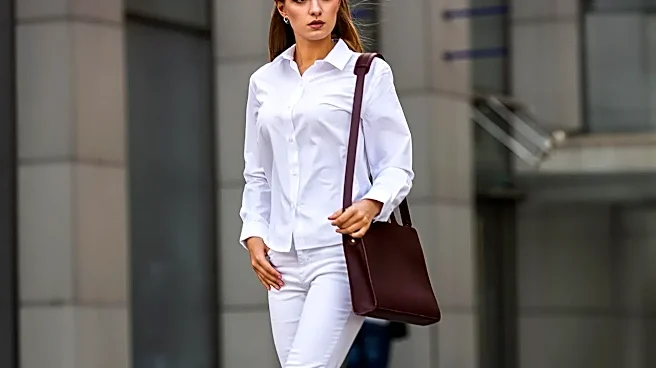
Not all white shirts are created equal. An office shirt is often a thin, pliable cotton blend designed to disappear under a blazer. A Milanese-inspired shirt, however, has presence. Look for a higher quality fabric like crisp Italian poplin, which has enough structure to hold its shape, or a soft, breathable linen for warmer days. The fit should be intentional—not necessarily slim, but deliberate. An oversized, boxy cut can look just as sharp as a tailored one when paired correctly. Pay attention to details like the collar and cuffs; a structured collar and substantial cuffs that can be rolled or left undone provide more styling options.
Master the Art of the Tuck
How you tuck your shirt is a key part of the narrative. The full, perfectly neat military tuck screams corporate. To channel a more relaxed vibe, try the half-tuck: just the front portion of the shirt tucked into your trousers or jeans. This creates a more casual, dynamic line. Another option is to leave it completely untucked, especially if it’s an oversized shirt paired with slim or straight-leg pants. For a more feminine look with a high-waisted skirt or trousers, a full tuck can work, but make sure the shirt has some volume to blouse out slightly, avoiding that stiff, pulled-tight appearance.
Roll Your Sleeves with Intention
Rolling your sleeves isn't just for getting down to business. It’s a deliberate style choice that signals relaxation and confidence. Avoid a single, tight fold. The most common method is a casual roll, folding the cuff back two or three times to sit just below the elbow. For a more considered, rakish look, try the “Italian roll”: flip the cuff back, pulling it almost to your elbow, then roll the bottom fabric up to meet the cuff, leaving the edge of the cuff peeking out. It’s a small detail that shows you know what you’re doing.
Pair It with High-Quality Bottoms
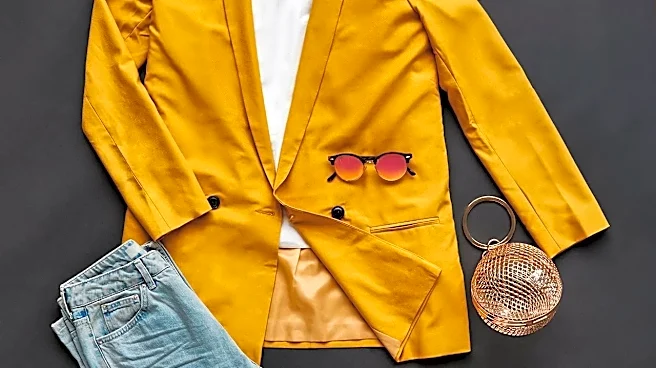
What you wear with your white shirt is just as important as the shirt itself. Instead of standard-issue office slacks, opt for well-tailored trousers in interesting fabrics or colors. Think wide-leg linen pants, sharply creased wool trousers, or even a pair of high-quality, non-ripped blue jeans for a classic combination. For women, pairing a white shirt with a midi skirt—either A-line or a slinky slip style—creates an elegant contrast between masculine and feminine. The key is that the other pieces in your outfit should feel just as considered as the shirt.
Accessorize like an Italian
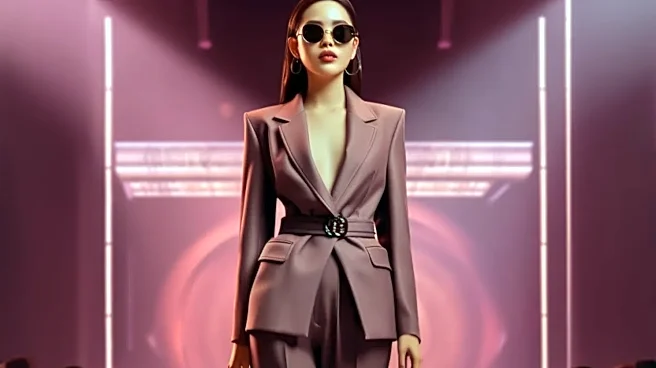
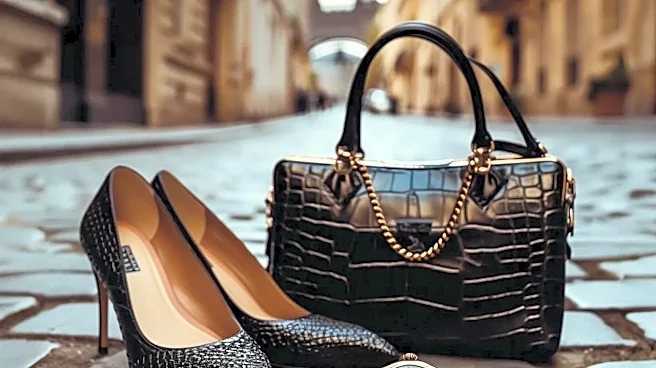
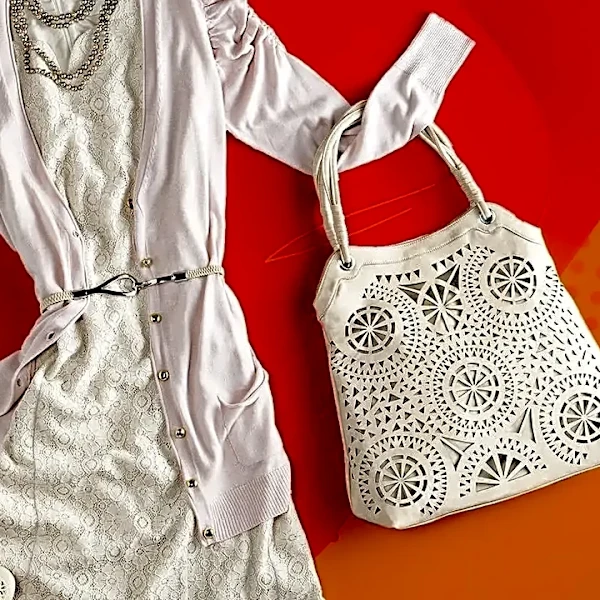
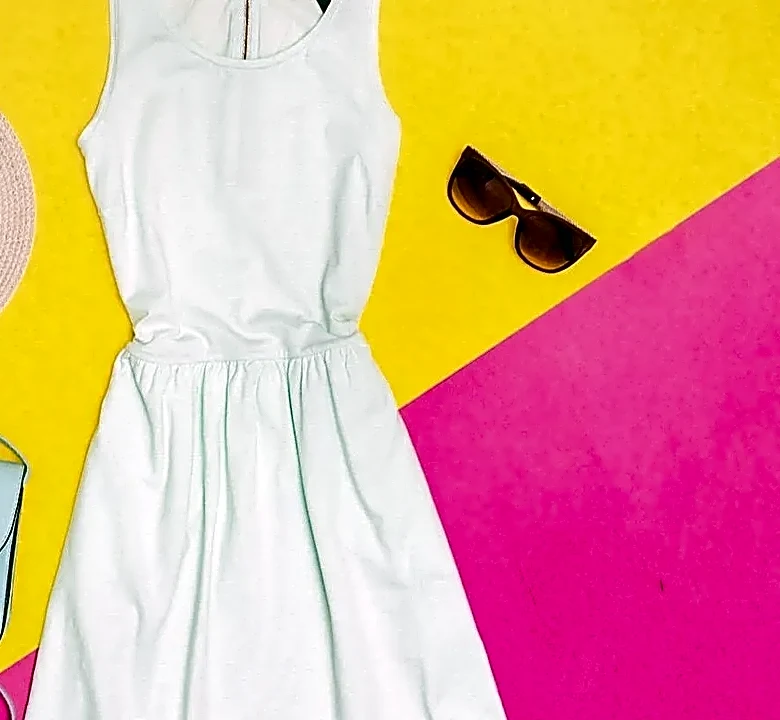
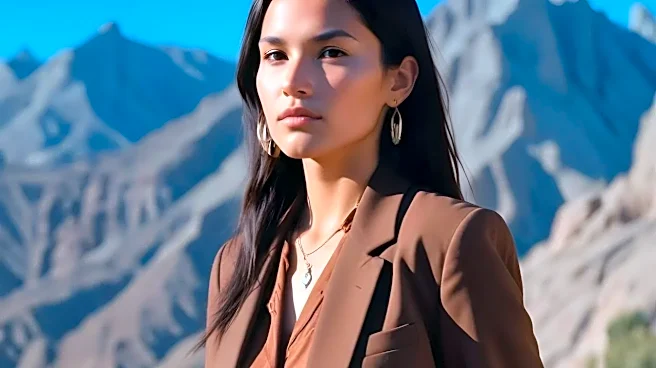
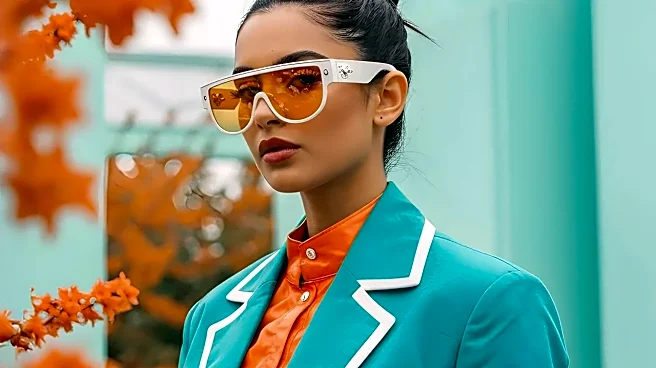
Accessories are where the personality of the outfit comes alive. Milanese style favors fewer, better things. Think of a classic leather belt that cinches the waist, a pair of timeless sunglasses, or a beautiful watch. A silk scarf tied loosely around the neck or wrist can add a touch of color and texture. For men, a pocket square in a blazer adds a point of interest without being loud. The jewelry is often simple and classic: a gold chain, hoop earrings, or a statement cuff. The goal is to complement the outfit, not overwhelm it.
Let the Collar Have Its Moment
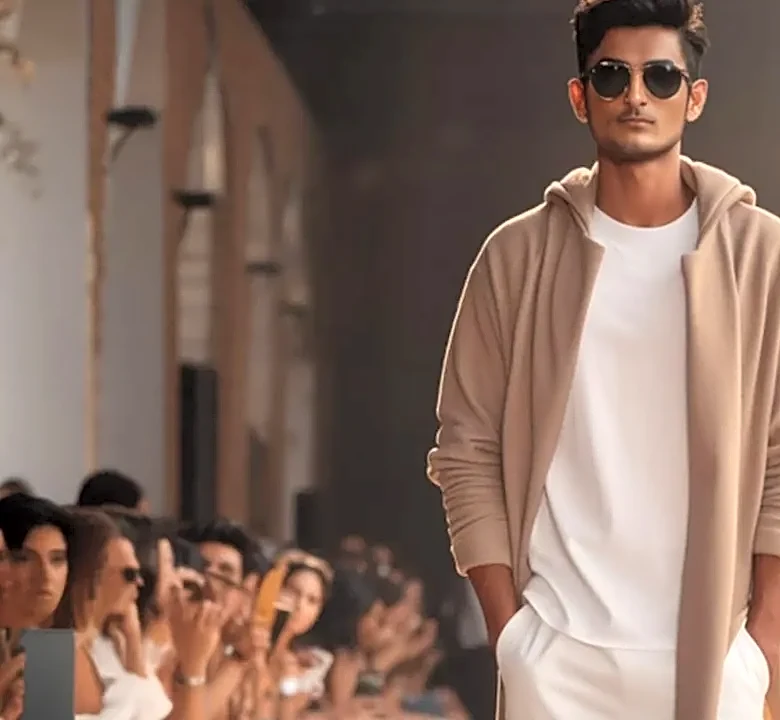
Finally, don’t forget the collar. Leaving the top two buttons undone is the standard for a relaxed look. For a more fashion-forward statement, some style insiders button the shirt all the way to the top and pair it with a statement necklace. During Milan Fashion Week, it's not uncommon to see shirt collars worn untucked over the lapels of a blazer, a confident move that harks back to 1970s style. The point is to treat the collar as a feature, not an afterthought. Let it stand up, lay it flat, pop it—make it part of the look.