





An Overdue Rejection of 80s Excess
To understand the casualness of the 1990s, you first have to remember the loudness of the 1980s. The prior decade was defined by power suits with big shoulder pads, flashy fabrics, voluminous hair, and a culture of conspicuous consumption. But as the decade turned,
so did the economy. The recession of the early 1990s created a sense of economic uncertainty and a collective fatigue with the ostentatious displays of wealth that had defined the 80s. Shoppers, feeling the pinch, grew more practical. There was a cultural shift toward authenticity and value, and fashion followed suit. The result was a pivot to minimalism and a rejection of anything that felt too elaborate or expensive. This created the perfect opening for a simpler, more relaxed aesthetic to take hold, one rooted in comfort and longevity over fleeting, flashy trends.
The Corporate World Loosens Its Tie
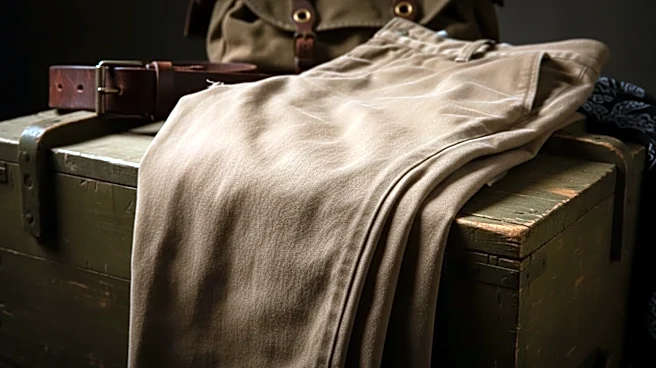
One of the most significant, yet often overlooked, drivers of 90s casual wear happened in the workplace. The concept of "Casual Friday" began to spread across corporate America. What started as a perk to boost employee morale during a time of downsizing became a full-blown cultural phenomenon. Seeing an opportunity, Levi Strauss & Co. launched a brilliant marketing campaign in 1992 for its Dockers brand, sending a "Guide to Casual Businesswear" to thousands of HR managers. This guide legitimized khakis, polo shirts, and loafers as acceptable office attire, effectively creating a new category of clothing: business casual. Suddenly, the clothes people wore on Friday started bleeding into the rest of the week, breaking down the rigid barrier between workwear and weekend wear and making casual clothing a staple for millions of American adults.
The Soundtrack of the Decade Becomes Its Uniform
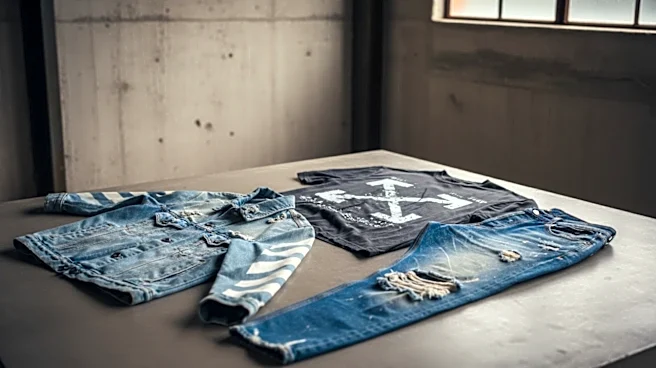
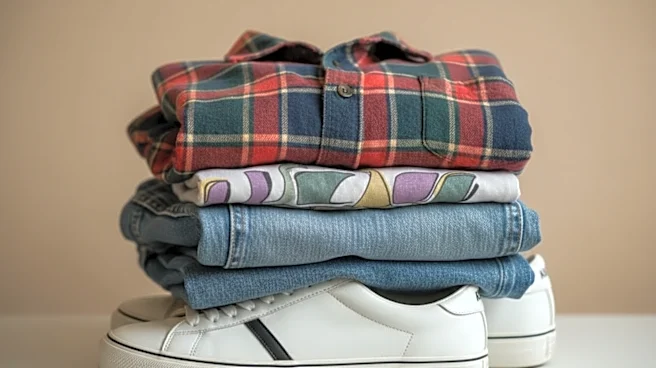
While offices were unbuttoning, two powerful music-driven subcultures provided the aesthetic blueprint for this new casual mood: grunge and hip-hop. Emerging from Seattle, grunge was the sound of disillusionment, and its fashion was a deliberate anti-fashion statement. Bands like Nirvana and Pearl Jam popularized a look of thrift-store flannel shirts, baggy jeans, band tees, and durable boots like Dr. Martens. This unkempt, layered style was a direct rebellion against the polished glamour of the past. At the same time, hip-hop artists were becoming massive cultural icons, defining street style for a generation. Artists like Tupac and groups like TLC popularized oversized jeans, baggy hoodies, sportswear from brands like Nike and Adidas, and bold logos from labels such as Tommy Hilfiger and FUBU. Both movements, though aesthetically different, celebrated a relaxed, rebellious, and individualistic approach to dressing that resonated far beyond their fanbases.
Brands That Built the Casual Kingdom
This convergence of economic, corporate, and cultural forces created a massive commercial opportunity. A handful of American brands perfectly captured the moment, scaling the casual look for the mainstream. Gap became synonymous with clean, minimalist basics like denim, khakis, and simple logo sweatshirts. Calvin Klein defined the era's understated sexiness with its iconic denim and logo-banded underwear ads. And Tommy Hilfiger brilliantly merged preppy aesthetics with the oversized silhouettes of hip-hop culture, creating a uniform of bold, logo-centric sportswear that was embraced by celebrities and the masses alike. These brands didn't just sell clothes; they sold an accessible, comfortable, and cool American identity that was perfectly in sync with the times.