



The Case for Liquid: A Seamless, Hydrated Finish
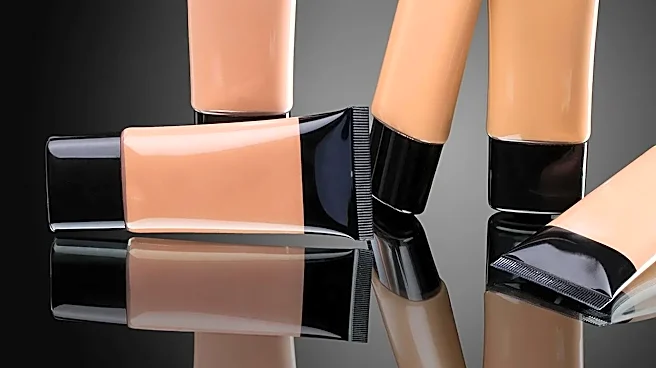
For years, liquid foundation has been the default for many, and for good reason. Its primary advantage is its ability to create a seamless, skin-like finish. Liquid formulas excel at providing hydration, making them a go-to for artists working with clients
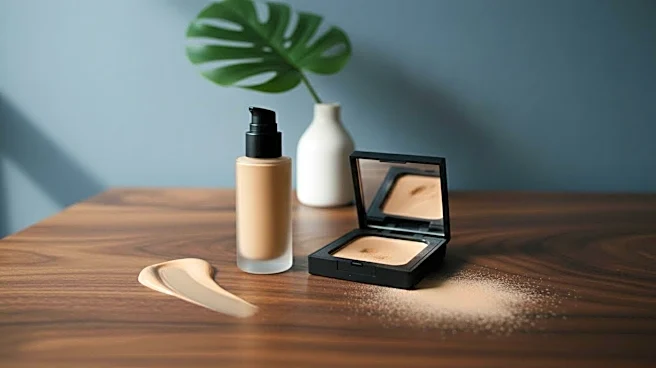
who have dry, combination, or mature skin. These formulas, which often come in hydrating, radiant, or dewy finishes, can glide over dry patches without catching or looking flaky. Many are also infused with skincare ingredients like hyaluronic acid, which helps plump and moisturize the skin throughout the day. Artists love the versatility; liquid foundations offer buildable coverage, from a sheer tint to a full-glam look, allowing for a customized finish that can cover redness or uneven tone without feeling heavy.
How Pros Apply Liquid for a Flawless Look
The tool changes the finish. For a more natural, blended look, many artists use a damp beauty sponge to press the foundation into the skin. This technique helps the product meld with the skin and avoids streaks. Brushes can offer more coverage, while some artists still prefer using their fingers, as the warmth of the skin helps the product blend seamlessly. The key, as pros know, is to start with a small amount and build coverage only where needed, rather than applying a thick layer all at once. This prevents the dreaded 'cakey' look and allows the skin's natural texture to show through.
The Power of Powder: Control and Longevity
Powder foundation is the unsung hero for anyone battling shine or living in a humid climate. Its main strength lies in its ability to absorb excess oil, providing a matte finish that lasts. This makes it a favorite for artists dealing with oily, acne-prone, or combination skin types. Modern powder foundations are finely milled and feel lightweight and breathable, a far cry from the chalky powders of the past. They are excellent for quick applications and on-the-go touch-ups. While often associated with lighter coverage, many powders are buildable, allowing you to achieve a medium-coverage finish by pressing the product into the skin with a dense brush.
The 'Disagreement' Is Really About Diagnosis
Here’s the secret: makeup artists don't truly disagree that one is universally superior. The debate in the professional world is about diagnosing the skin in the chair and understanding the desired outcome. The choice is entirely dependent on the client's skin type, skin concerns, and the environment. A makeup artist wouldn't use a heavy matte powder on mature, dry skin because it can settle into fine lines. Conversely, they likely wouldn't use a super dewy liquid foundation on a client with very oily skin for an outdoor summer event, as it wouldn't last. The 'disagreement' is a nuanced, professional consideration of the right tool for a specific job.
The Hybrid Approach: Using Both
Many professionals don't choose one over the other; they use both. A very common technique is to apply a liquid foundation as a base to even out the skin tone and then strategically apply powder foundation only on the areas that tend to get oily, like the T-zone (forehead, nose, and chin). This 'multi-mapping' approach gives the skin a multi-dimensional, realistic finish—hydrated and glowing on the cheeks, but controlled and matte where shine is a problem. You can also use a light dusting of powder over a liquid foundation to set it, which improves longevity. The key is to avoid applying a heavy layer of powder foundation over an already full-coverage liquid foundation, which can lead to a heavy, unnatural texture.
How to Choose the Right One for You
So, how do you become your own makeup artist? Start by assessing your skin. If you have dry skin and want a radiant, glowing finish, a liquid foundation is likely your best bet. Look for formulas described as luminous, radiant, or hydrating. If you have oily skin and your primary goal is to control shine and achieve a matte look, a powder foundation is an excellent choice. If your skin is combination, you can try the hybrid approach. For those who want minimal coverage and an easy application, a powder is often the quickest option. Ultimately, there's no right or wrong answer—only what makes your skin look and feel its best.