






The Rhythm of the Fall Season
First, a quick history lesson. The concept of a 'fall TV season' is a holdover from the early days of radio. Executives would take summers off to escape the New York City heat before air conditioning was common, leading to a production shutdown. This
rhythm carried over to television, where it also conveniently aligned with advertisers, particularly car manufacturers rolling out their new models. The logic was simple: after summer vacations, with colder weather approaching, families were back inside and watching more television. This created a predictable annual cycle: networks would launch their biggest and best shows from September through May, filling the summer with cheaper reality shows and reruns. While it seems archaic, this decades-old tradition established a powerful and lucrative business model that the entire industry was built upon.
The Global Showcase in Cannes
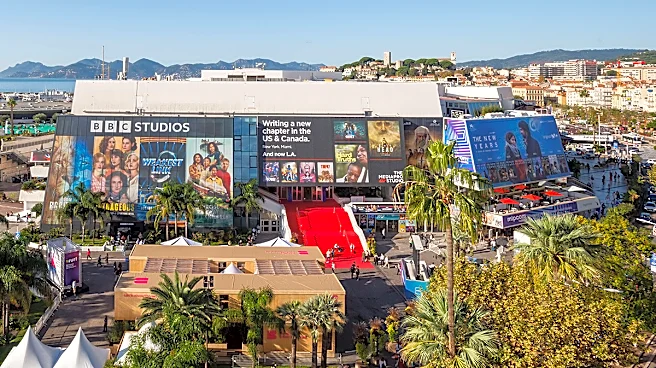
This is where October becomes the most important month in the television business. Just as U.S. networks are launching their new fall shows, thousands of television executives from over 100 countries descend on Cannes, France, for MIPCOM. Held annually in October, MIPCOM is the world’s largest content market, a massive trade show where international distribution deals are done. Buyers from broadcasters and streaming services in Europe, Asia, and Latin America come to buy programming to fill their own schedules. They aren't just buying finished shows; they're acquiring format rights (to make their own local version of a show), striking co-production deals, and scouting for the next global hit. It's a frantic few days of buying, selling, and networking that determines what much of the world will be watching next year.
Premiere as Proof of Concept
The timing is no coincidence. For a U.S. studio trying to sell a new show internationally, a strong premiere in its home market is the ultimate sales tool. Launching a series in late September or early October allows a studio to collect a few weeks of crucial viewership data, critical reviews, and social media buzz right before MIPCOM begins. A distributor can then walk into a meeting in Cannes and say, 'This isn't just a pilot; it's a proven hit in the world's most competitive market'. This 'proof of concept' massively de-risks the purchase for an international buyer. A German broadcaster or a South American streaming service is far more likely to spend millions on a show that is already a demonstrated success with American audiences, giving it a significant advantage in the crowded global marketplace.
How Streaming Changed the Game
Of course, the rise of global streaming giants like Netflix has complicated this traditional model. Why wait for MIPCOM when you can launch a show like 'Squid Game' or 'Bridgerton' in 190 countries on the same day? Streamers have certainly disrupted the 'windowing' strategy, where a show would air in one country months or years before another. However, the fall calendar is far from obsolete. Even for streamers, the fall remains a critical period for acquiring new subscribers, often driven by major programming launches. Furthermore, for every global Netflix original, there are hundreds of other shows from traditional studios and independent producers that still rely on the territory-by-territory sales model to finance themselves. MIPCOM itself has evolved, with streaming, social media, and even AI now a major part of the conversation, proving that while the platforms change, the fundamental business of a timed release and a centralized October sales market remains remarkably powerful.