



From Autograph Books to Algorithmic Gold
It wasn't long ago that the ultimate prize for a fan waiting for hours by the red carpet was a personal interaction: a signature scrawled in a notebook, a blurry disposable camera photo, a brief moment of eye contact. That currency has been devalued.
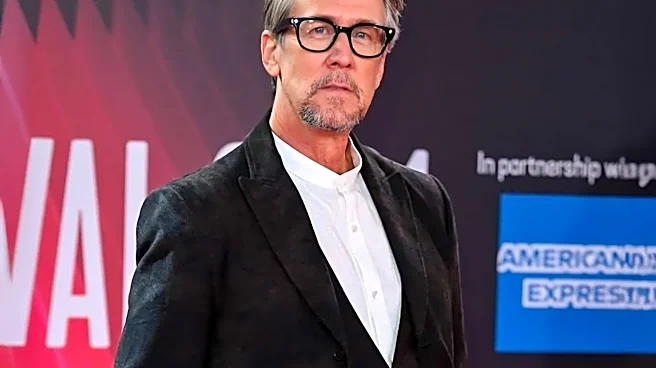
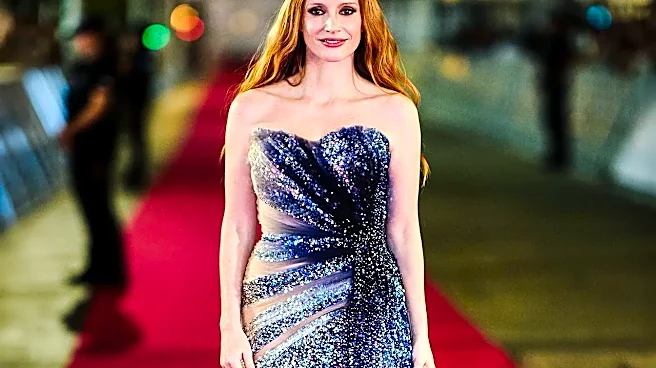
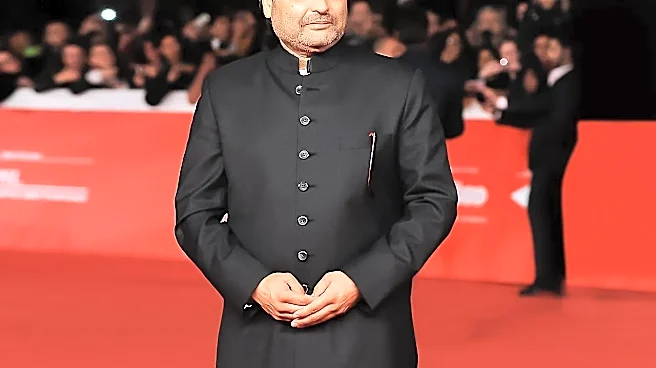
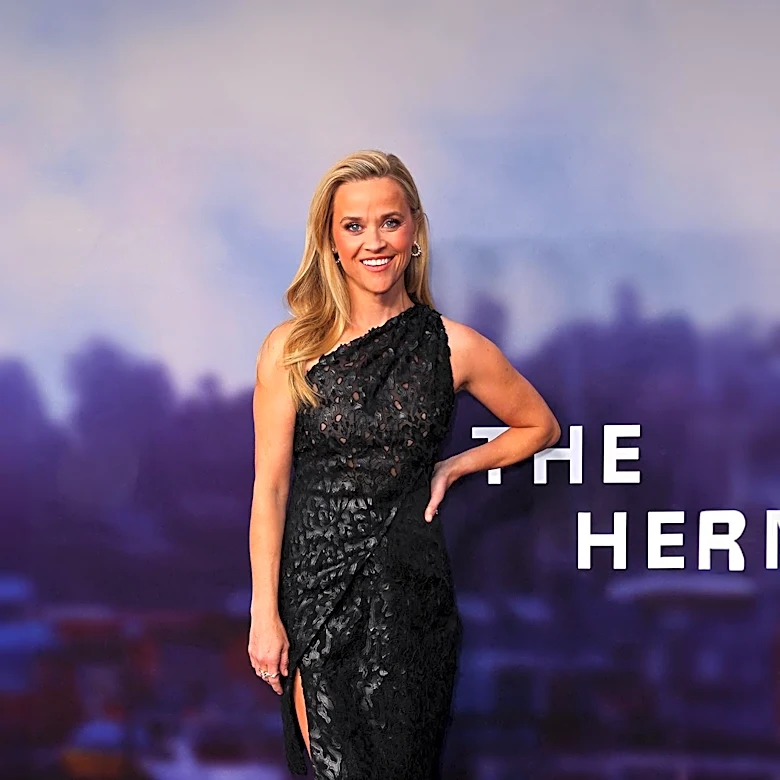
Today, the goal is content. The most dedicated fans are no longer just cinephiles; they are amateur cinematographers, citizen journalists, and micro-influencers, all hunting for the same thing: the 15-second clip destined to go viral. The prize is no longer a private keepsake but a public spectacle—a meme-able moment, a snippet of a candid interaction, or a slow-motion edit of a star's dramatic entrance, all set to a trending audio track. This transforms the fan experience from an act of appreciation into one of production.
The 'FilmTok' Red Carpet Takeover
This shift is driven by platforms like TikTok, where the #FilmTok community has become a powerful force in entertainment. Creators who build their entire brands around movie commentary are now invited to major festivals, blurring the line between fan and media. Their unfiltered, behind-the-scenes access provides a perspective that traditional outlets often miss. This has created a feedback loop: studios and festival organizers recognize the immense promotional power of fan-generated content, which provides free, viral marketing that can build hype for a film before it even premieres. A viral clip of a star interacting with a crowd can do more to shape a film's narrative than a formal press junket. This was seen in previous years with stars like Timothée Chalamet, whose every appearance is dissected and repackaged into countless edits that rack up millions of views.
Stars in the Crosshairs
For celebrities, this new dynamic is a double-edged sword. While social media allows them to control their own narrative, the constant surveillance turns every moment into a potential performance. The pressure is immense; a casual glance can be misinterpreted, a slightly awkward interaction can become a meme, and a fashion choice can go globally viral in minutes. Some stars lean into it, understanding that engaging with the TikTok ecosystem is part of the modern promotional tour. Others seem increasingly wary. Reports from recent festivals note that while more stars are attending, they are often less willing to engage in spontaneous interactions, sticking to tightly controlled press conferences and photo calls. The fear of a moment being taken out of context looms large, creating a barrier between the celebrity and the very fans who idolize them.
An Identity Crisis for the Lido
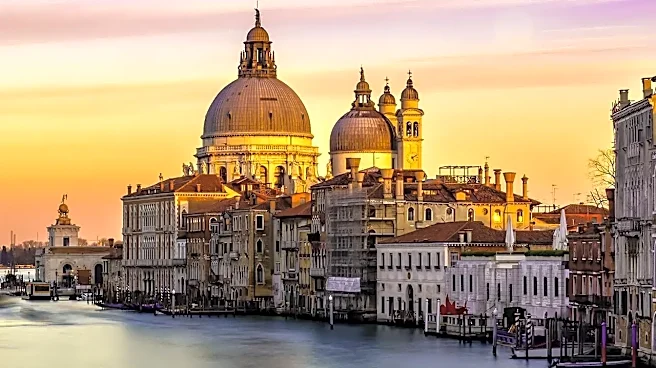
For an institution like the Venice Film Festival, which prides itself on being the world's oldest and a bastion of cinematic art, this shift presents an identity crisis. The festival aims to promote cinema as an art form, a place for serious dialogue and discovery. But the overwhelming focus on red carpet moments and viral content threatens to overshadow the films themselves. The frantic energy of selfie-sticks and live-streaming fans can feel at odds with the event's prestigious, art-first mission. While the festival undeniably benefits from the massive global exposure, organizers must walk a fine line, ensuring that the celebration of cinema doesn't get completely lost in the endless churn of digital content.