

The Silent Language of Fabric
Before a single question is asked on the red carpet, a gown has already spoken volumes, and its primary language is fabric. The material choice is the foundation of any look, dictating not just its texture but its entire mood and personality. Think of the difference
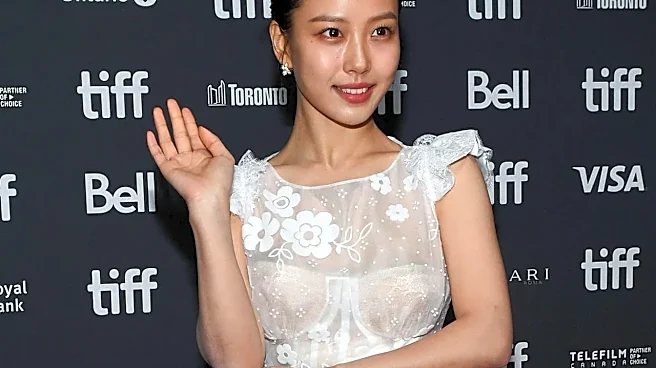
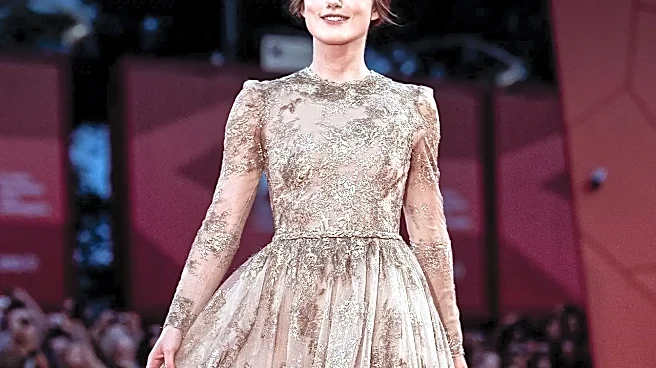
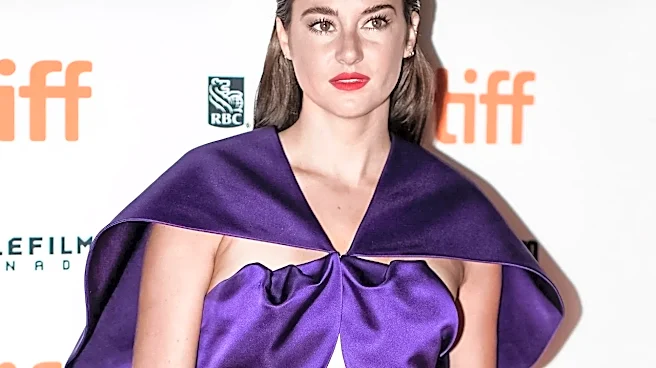
between a dress made of structured, high-density scuba fabric and one crafted from liquid silk charmeuse. The former, a trend seen in recent seasons, creates architectural shapes that stand away from the body, projecting power and a modern, sculptural edge. It’s a statement of control and precision. In contrast, a silk gown offers an entirely different narrative. It glides, pools, and clings, catching the light with a soft luminosity. This choice speaks to sensuality, ease, and a more classic form of elegance. At TIFF, you’ll see this play out in real-time. An actress in a heavy, embellished tulle or a rich velvet is telegraphing opulence and depth, with fabrics that absorb light and command a certain gravity. Another, in delicate, airy chiffon or organza, creates an impression of romance and weightlessness. Paying attention to the material is like learning the vocabulary of the red carpet; it’s the key to understanding the story each look is trying to tell.
Sculpting Mood with Shape and Silhouette
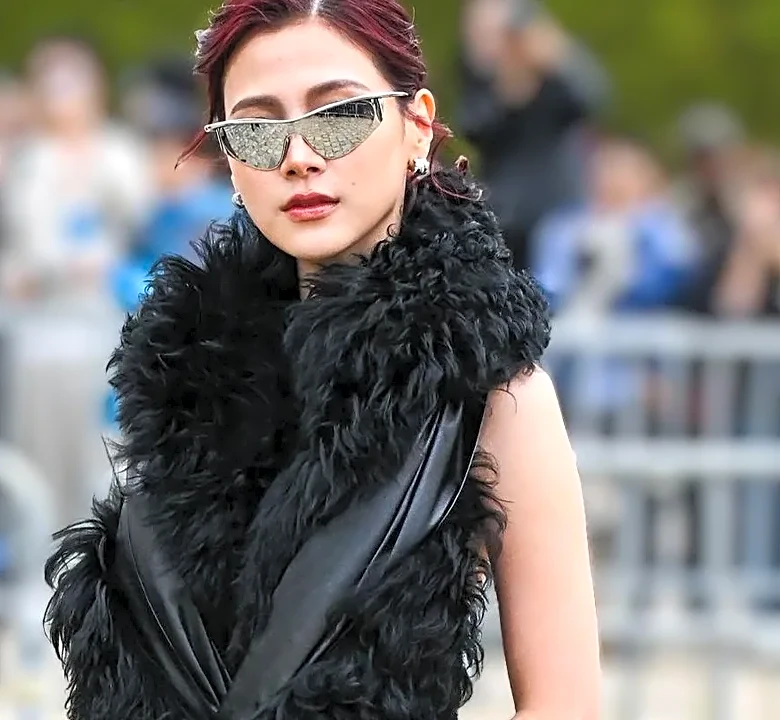
If fabric is the vocabulary, then shape—or silhouette—is the grammar that arranges it into a coherent sentence. A designer’s choice of silhouette is what directs the viewer’s eye and establishes a garment's emotional tone. A classic ball gown, with its fitted bodice and voluminous skirt, creates an undeniable sense of fairy-tale grandeur, instantly communicating a timeless, cinematic glamour. A sleek, minimalist column dress, by contrast, offers a modern, architectural simplicity. It projects confidence and a clean, unfussy aesthetic. This year's red carpets have shown a strong move towards more dramatic and manipulated shapes. We're seeing a return to structural elements like internal corsetry and dramatic bubble hems, which hark back to mid-century couture while feeling entirely new. These aren't just dresses; they're wearable sculptures. Consider a gown with exaggerated, strong shoulders—a recurring trend that signals power and a bold, unapologetic presence. Or think of a dress with an asymmetrical, deconstructed cut, which feels edgy, artistic, and challenges traditional notions of beauty. Each of these choices—from the classic mermaid silhouette to a more avant-garde form—is a deliberate act of sculpting a mood. It's what makes a look feel powerful, romantic, demure, or daring before the wearer even strikes a pose.
Fashion in Motion: The Magic of Movement
Perhaps the most overlooked element of red carpet fashion is that it’s designed to be seen in motion. A dress can look one way in a static photograph but transform completely as the celebrity walks, turns, and interacts with the cameras and the crowd. This is where the true artistry of a great design reveals itself. Fabrics like chiffon, lightweight silks, and anything with fringe or tiered layers are chosen specifically for their dynamic potential. A dress with a long, flowing train doesn't just look regal; it creates a dramatic wake of fabric that follows the wearer, adding a sense of theater to every step. Elements like hand-beaded sequins on a flexible mesh base are engineered not only to sparkle but to ripple and shift with the body, creating a living, shimmering surface. A leg slit in a long gown isn't just for a leg moment; it's a practical and stylistic choice that allows for better movement and breaks up a solid wall of fabric. This focus on dynamics is paramount for a televised event, where how a garment interacts with the camera in motion is a top priority. Watching how a dress comes alive as it moves down the carpet changes your perception entirely. It’s no longer just an outfit; it’s a performance.