
Power Grid and Generator Sanity
Your generator is the heart of your operation, and a failure here can bring your entire camp to a standstill. Now is the time for a full load test. Don't just turn it on; run everything at once. Fire up
the lights, the sound system, the kitchen appliances, and any charging stations. Watch for sputtering, listen for concerning noises, and ensure your fuel depot is secure and safely distant from heat sources. Check that all cables are properly shielded and laid out to prevent tripping hazards, especially across common pathways. A theme camp infrastructure guide points to the necessity of heavy-duty distribution boxes and rubber cable ramps. This final stress test will reveal weaknesses that are far easier to fix now than on Saturday night.
Lighting: Your Nighttime Signature
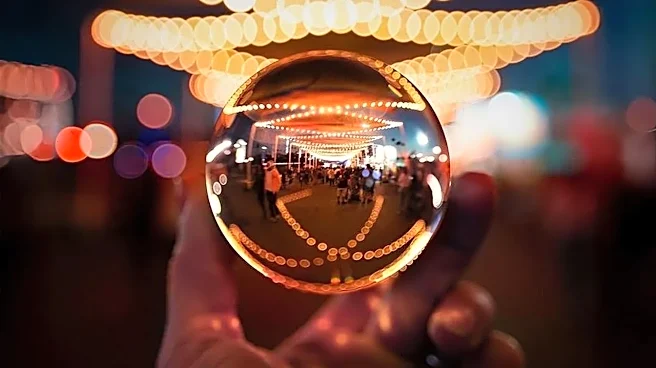
In the daytime, your build is sculpture; at night, it's a lighthouse. A full lighting test is non-negotiable. Power up every single LED strip, floodlight, and flame effect. Let them run for at least an hour. This isn't just about aesthetics; it's about safety. Unlit rebar or guide wires can be incredibly dangerous. Unique light patterns also help your campmates and visitors navigate back to you in the disorienting darkness. Check for flickering connections, ensure controllers are responsive, and confirm that your power grid can handle the full, dazzling load without faltering. This is also a good time to ensure all lights are pointed respectfully and not blinding your neighbors or passing art cars.
Structural Integrity vs. The Playa
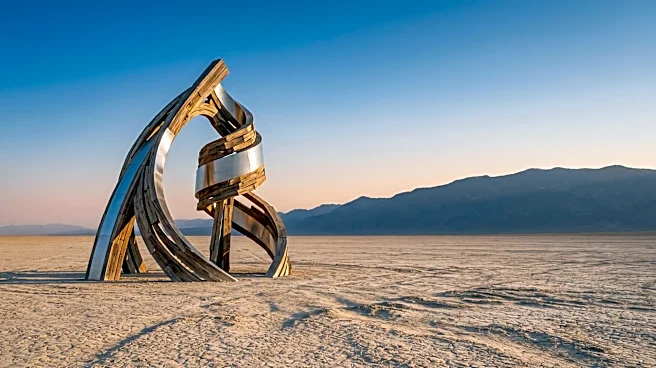
The playa's weather is notoriously fickle, capable of shifting from serene calm to a white-out dust storm with ferocious winds. Your art piece or shade structure may seem stable now, but it needs to withstand a serious assault from the elements. Give it the “shake test.” Push on it, pull on guy lines, and check that every bolt, screw, and zip tie is secure. As one guide advises, you must tie your stuff DOWN, as warehouse pegs won't cut it against desert winds. Past incidents, including art collapses causing serious injury, are a stark reminder of why this step is critical. Reinforce weak points, double-check your anchors, and ensure nothing can become a projectile in a high-wind event.
Water, Waste, and Graywater Systems
Amidst the creative chaos, the most basic survival logistics can be overlooked. Now is the time to inspect your water and waste management systems. Is your potable water stored securely away from potential contamination? More importantly, check your graywater system. A leak here isn't just a mess; it's a major environmental violation on the playa. Ensure your collection tubs or tanks are sealed and have enough capacity. Confirm your plan for disposing of trash and recycling, as radical self-reliance means everything you bring in must also go out with you.
Sound System Vitals
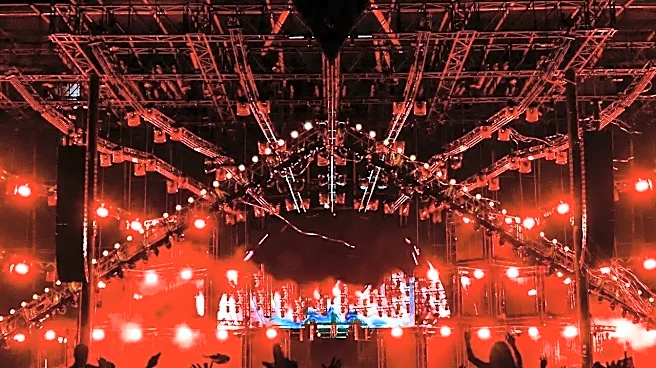
If your camp has a sound component, a simple on-off check isn't enough. Run your system at the volume you intend to use it. Are the speakers distorting? Is the bass causing parts of your structure to vibrate dangerously? Sound can create unforeseen problems. Also, consider sound bleed. Take a walk to your camp's designated borders. How does it sound? Are you being a good neighbor? Black Rock City has sound policies, and now is the time to ensure your audio footprint is powerful but contained. This also provides another chance to check the power draw in conjunction with your lighting and other systems.
The Final Leave No Trace Audit
Before you're too exhausted, conduct one last sweep of your build area for potential MOOP (Matter Out of Place). This is a core tenet of Burning Man. Look for stray zip tie clippings, sawdust, loose screws, snippets of fabric, or anything else that could be carried away by the wind. Securely bag all construction debris. It’s far easier to do this now when the area is relatively clear than it will be during the tear-down at the end of the week. This final, proactive cleanup sets the tone for a week of radical self-reliance and civic responsibility.