





The Ultimate Ticking Clock
Every great story needs stakes, and one of the most effective tools in a screenwriter's kit is the 'ticking clock'. It’s a deadline that forces characters to act, creating immediate tension. Thanksgiving is a ticking clock that everyone in the audience
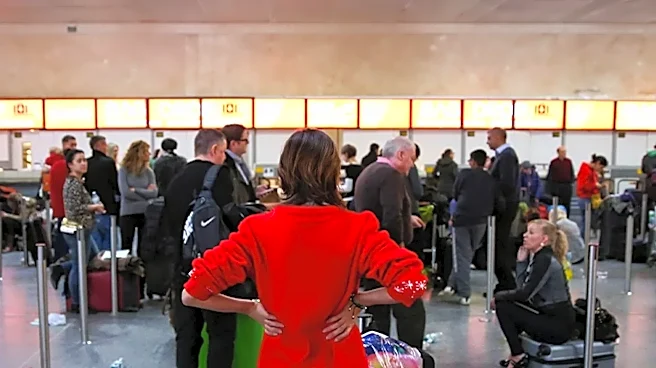
understands implicitly. The goal is simple: get home, survive the day, and make it through dinner. The journey in 'Planes, Trains and Automobiles' isn’t just a series of comedic mishaps; it’s a desperate race against the clock to get to the family table by Thursday. This fixed point on the calendar gives the entire story a propulsive energy. The conflict isn’t just about whether Neal Page will make it home, but whether he will make it home for Thanksgiving. That distinction is everything.
A Pressure Cooker of Family Dynamics
Thanksgiving doesn't just demand you arrive at a place; it demands you interact with the people there. The holiday is uniquely designed to force estranged, quirky, and dysfunctional family members into a confined space for an extended period. This creates a natural pressure cooker for drama. Old grudges, sibling rivalries, and unspoken tensions have nowhere to hide. In Jodie Foster’s 'Home for the Holidays', Claudia Larson doesn’t just go home; she regresses into her old family role, battling her mother’s anxieties and her sister’s judgments. The film expertly shows how the holiday setting itself amplifies every small conflict, turning a simple family gathering into a minefield of emotional truths waiting to be exposed.
The Promise of a Resolution
While the setup is all about conflict, the holiday also carries an inherent promise of resolution. A Thanksgiving dinner is a third-act set piece by design. It's the moment where everything is supposed to come together, for better or worse. In 'Pieces of April', the entire plot builds toward one single meal. April’s struggle to cook a turkey in her tiny apartment is a metaphor for her attempt to mend her broken family ties. The 'ticking clock' here isn't just about the turkey burning; it's about whether she can create a moment of peace and connection with her dying mother before it's too late. The holiday demands an ending—a confrontation, a forgiveness, or a final, irreparable break. By the time the pumpkin pie is served, the story must reach its conclusion.
A Mirror to the Audience
Ultimately, Thanksgiving works so well on screen because it's a shared, yet deeply personal, American experience. The stress of travel, the obligation to see relatives you might otherwise avoid, the clash of different personalities and political views—these are relatable struggles. Whether it’s the chaotic dinner prep in 'You've Got Mail' or the simmering dysfunction in 'The Ice Storm', audiences see a reflection of their own holiday anxieties and joys. Screenwriters don't need to waste time explaining the rules. We all know the game. We know the pressure to perform gratitude, the precarious peace held together by turkey and stuffing, and the potential for it all to fall apart before the wishbone is snapped. This shared understanding gives the stories an immediate emotional shorthand, letting writers dive straight into the heart of the drama.