




Understanding the Enemy: What Is Maskne?
Before you can defeat it, it helps to know what you’re up against. The term “maskne” is a catch-all for several skin issues caused by wearing a face covering, but the most common culprit is a specific type of breakout called *acne mechanica*. This isn’t
your typical hormonal or cystic acne; it’s caused by the physical friction, pressure, and rubbing of the mask against your skin. This constant contact irritates hair follicles and can damage your skin’s protective barrier. Add in the warm, humid environment created by your breath, and you’ve got a perfect breeding ground for bacteria and yeast to thrive, leading to inflammation and pimples. So, while it looks and feels like regular acne, its root cause is external irritation, not just internal factors.
When the Standard Advice Isn't Enough
You've likely heard the standard recommendations on repeat: wash your face before and after wearing a mask, use a gentle cleanser, and wash your reusable masks daily. This is all excellent, foundational advice. For many people with mild irritation, it’s enough to keep breakouts at bay. But for those with sensitive skin or who must wear tight-fitting masks for long hours (hello, healthcare workers and front-line professionals), this reactive approach often falls short. Cleansing after the fact can’t undo hours of friction and moisture buildup. It’s like trying to patch a leaky boat with a paper towel—you’re addressing the symptom, not the source of the problem. When the basics fail, it’s time to move from a reactive strategy to a proactive one.
The Real 'Hidden' Step: Barrier Protection
Here it is: the step dermatologists quietly emphasize for their most frustrated patients is not about zapping pimples, but about preventing the irritation that causes them in the first place. The focus is on creating a protective shield between your skin and your mask. Instead of waiting to treat the damage, you preemptively fortify your skin’s natural barrier. This is the subtle but powerful shift in thinking that makes all the difference. When your skin barrier is healthy and intact, it’s far more resilient to the friction and humid environment under the mask. A strong barrier keeps moisture in and irritants out, effectively neutralizing the primary triggers of acne mechanica before they can ever lead to a breakout.
How to Put a Shield on Your Skin
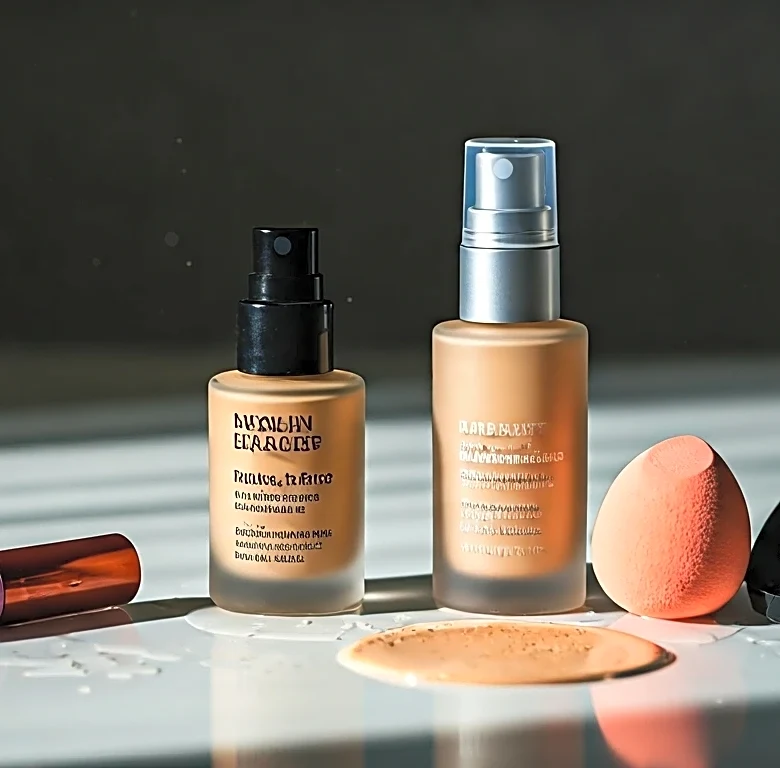
Implementing this barrier-first approach is straightforward. The key is to apply a protective product to clean, dry skin about 15-30 minutes *before* you put on your mask. There are two excellent ways to do this: 1. **Use a Barrier Cream:** Look for moisturizers containing ingredients like ceramides, dimethicone, or zinc oxide. Ceramides are lipids that are naturally part of your skin barrier, so you're essentially replenishing its defenses. Dimethicone creates a smooth, breathable film on the skin that reduces friction without clogging pores. A thin layer of a simple, fragrance-free cream in the areas where your mask rubs can be a game-changer. 2. **Try a Hypochlorous Acid Spray:** This is another favorite in dermatological circles. Hypochlorous acid is a gentle but effective antimicrobial agent that our own white blood cells produce to fight infection. A light misting on the skin (and even on the inside of your mask) can help reduce the bacterial load without causing the irritation that harsher ingredients like alcohol can. Let it dry completely before putting on your mask. It’s a gentle way to keep the environment under your mask cleaner throughout the day.