
A Masterpiece on the Brink
It’s hard to imagine now, but in 2001, Wes Anderson’s third feature was in trouble. The director, along with his all-star cast including Gene Hackman, Anjelica Huston, and Bill Murray, had crafted a visually stunning and deeply idiosyncratic world. The story
of a dysfunctional family of former child prodigies was ambitious and packed with the meticulous detail that would become Anderson's signature. Yet, as the film moved through post-production, something wasn't clicking. The intricate emotional web wasn't catching, and the delicate balance of comedy and melancholy was off. Early cuts felt somehow less than the sum of their brilliant parts, leaving the creative team with a looming sense of anxiety. The film had the cast and the style, but it was missing its heartbeat.
The Problem with the Prologue
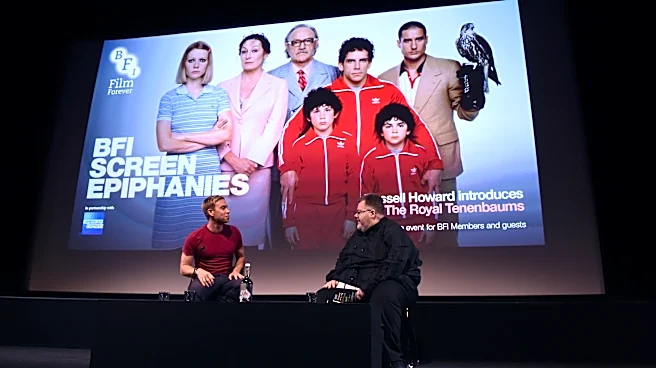
The core issue, according to editor Dylan Tichenor, lay in the film's introduction. In a 2017 discussion, Tichenor, a key collaborator of directors like Anderson and Paul Thomas Anderson, explained that the original cut was structured more conventionally. It spent too much time setting up the family's backstory in a linear fashion. The now-iconic storybook prologue, narrated by Alec Baldwin, was not working as intended. The rhythm was off, and it failed to properly establish the singular, slightly melancholic, and deeply literary tone the film needed. Instead of drawing the audience into the Tenenbaums' quirky universe, it held them at a distance. The emotional stakes, particularly the complex relationships between the three siblings—Chas, Margot, and Richie—and their estranged father, Royal, weren't landing with the necessary impact. The film was telling, not showing.
A Weekend That Changed Everything
With the release date approaching and the studio growing nervous, Anderson and Tichenor holed up for a single, frantic weekend. This is where the legend of the life-saving cut was born. The mission was to fundamentally restructure the film's opening. They decided to break the established rhythm and rebuild the introduction from the ground up. This involved radically re-editing the prologue, weaving in narration, title cards, and key visual moments to create a rapid-fire, stylized immersion into the family's past and present dysfunction. It was less a chronological retelling and more of an atmospheric download. By compressing the backstory and establishing the characters through sharp, evocative vignettes, they found the film's voice. This high-pressure session wasn't just about trimming scenes; it was a complete conceptual overhaul performed against the clock.
The Invisible Art of the Perfect Cut
The result of that weekend's work is the very thing that makes The Royal Tenenbaums so beloved today. The new opening acts as a perfect key, unlocking the film's unique blend of deadpan humor and profound sadness. It immediately establishes the story as a kind of modern fable, a book come to life. This allows the audience to accept the stylized world and invest in the characters' quirky, often self-destructive, behavior. The edit didn't just fix a pacing problem; it gave the entire film its soul. Tichenor’s work is a prime example of the editor's invisible art: a series of decisions that feel so right and inevitable that you can't imagine the film any other way. It's a testament to the idea that sometimes, the most crucial creative breakthroughs happen not over months of deliberation, but in a compressed, desperate burst of inspiration.