





The Core Philosophy: Curation Over Perfection
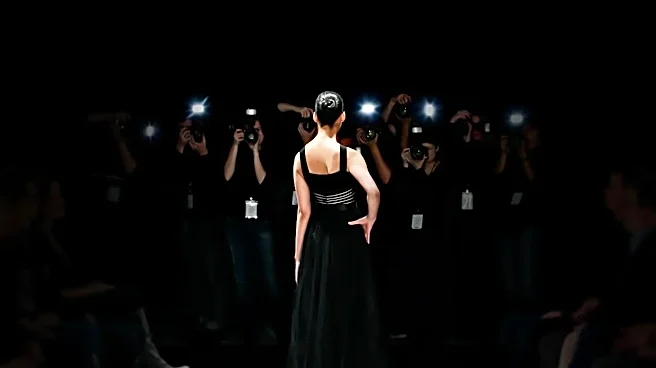
The fundamental difference isn't about the price tag or the designer; it's about intent. Awards-season dressing is a performance of glamour. The goal is to look flawless, sculpted, and universally beautiful, often achieved with the help of a stylist who
has negotiated a brand partnership. The look is a perfect, glossy product. Art-world black-tie, conversely, is about personal curation. It’s a reflection of the wearer's taste, intellect, and point of view. It suggests the person got dressed themselves, pulling from a collection of pieces that tell a story. Instead of aspiring to be a perfect picture, it aims to be an interesting sentence.
The Power of an 'Off' Element
This is the most crucial detail. An art-world look almost always contains one element that feels slightly, and intentionally, out of place. It’s the friction that creates interest. Think of a classic, severe black gown paired not with delicate stilettos, but with chunky, architectural platform boots. Or a razor-sharp tuxedo worn with a handcrafted, slightly strange ceramic brooch instead of a silk pocket square. This 'off' accessory—a weirdly shaped bag, a piece of studio jewelry instead of borrowed diamonds, a pair of colored socks peeking from a trouser hem—is the tell. It breaks the perfect symmetry and injects personality, signaling that the wearer values originality over conventional beauty standards.
Texture and Unexpected Materials
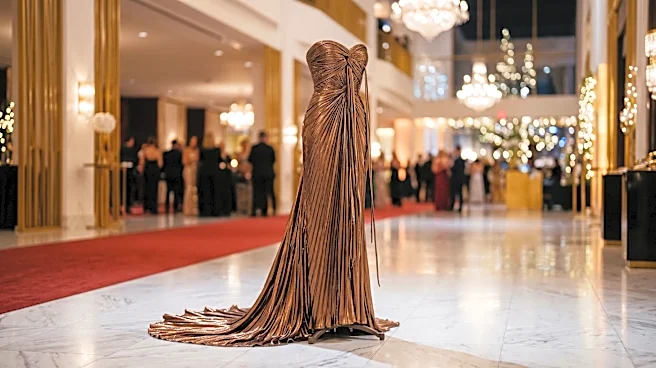
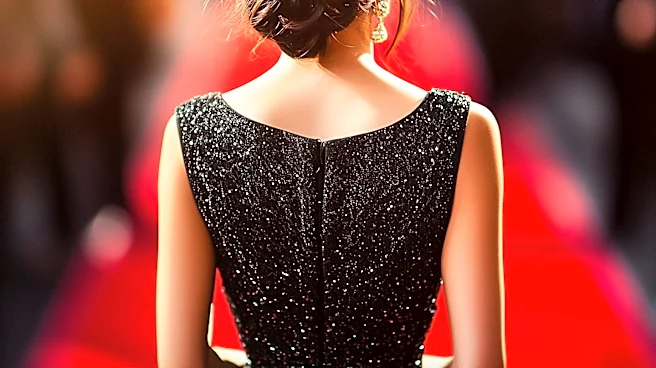
Hollywood glamour often relies on materials that broadcast luxury in a familiar language: high-shine satin, glittering sequins, and ethereal chiffon. They are designed to catch the light and the camera’s lens. The art-world pivot is toward texture and materials that invite a closer look. Imagine a formal dress cut from crisp, utilitarian cotton, or a tuxedo jacket made of rich, matte velvet. It can be raw-edged linen, crinkled silk, or even high-concept neoprene. These materials add a tactile and intellectual dimension. They are less about pure sparkle and more about structure, form, and substance—concepts that resonate deeply within the art world itself.
Beauty as an Understatement
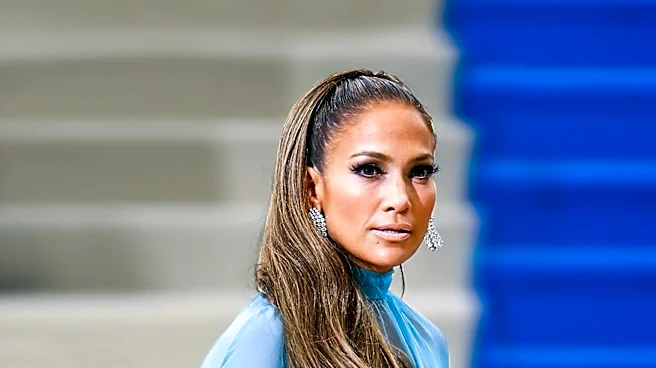
On the red carpet, hair and makeup are often a fullscale production. The look is 'done,' with every strand of hair lacquered into place and a multistep makeup application designed for highdefinition cameras. The artworld approach is to treat beauty as a supportive element, not a competing one. Hair might be pulled back in a simple, unadorned knot, left slightly undone, or cut into a sharp, graphic shape that acts as its own accessory. Makeup is often minimal—a bold, strangecolored lip on an otherwise bare face, or perfectly groomed brows with little else. The goal isn't to look like a movie star, but to look like yourself, only more so.
The Appeal of the Obscure
While an awardsshow attendee is likely wearing a look fresh from the most recent couture or runway collection, the artworld insider often prioritizes discovery. This could mean wearing a piece from a brilliant but stillemerging young designer, showcasing a commitment to new talent. More often, it means dipping into vintage. Wearing a forgotten piece from a past Issey Miyake, Geoffrey Beene, or early Yohji Yamamoto collection shows a deep fashion knowledge and an appreciation for design history. It sidesteps the hype cycle of 'who are you wearing?' and replaces it with a more personal statement about what you value in design.