

Beauty's Unsung Workhorse
In the ever-churning cycle of beauty, we're conditioned to chase the new and novel. Yet, the satisfying act of smoothing rough heels is a constant. It lacks the viral glamour of a TikTok makeup hack or the drama of a celebrity-endorsed fad, but its staying
power is undeniable. While trends are often about outward performance and novelty, callus removal is about a fundamental, personal benefit: comfort. It’s a practice rooted in feeling good, not just looking good for others. This focus on utility over aesthetics is precisely what gives it a timeless quality, ensuring it remains relevant long after the buzz around fleeting obsessions has died down.
A Tradition as Old as Civilization
The desire for smooth feet is anything but a modern invention. The practice dates back thousands of years, with evidence found in some of history's most powerful civilizations. Carvings in the 4,400-year-old tomb of an Egyptian physician, Ankhmahor, depict nobles receiving treatments resembling manicures and pedicures. In ancient Egypt, foot care was a status symbol; while the upper classes enjoyed beautifying treatments with oils, the lower classes received practical care for corns and calluses. The ancient Babylonians reportedly used solid gold tools for their pedicures. Later, the Greeks and Romans integrated callus removal into their routines at public bathhouses, using scrapers and pumice stones not just for beauty, but for hygiene and health, understanding that healthy feet were essential for mobility and survival.
From Pumice Stones to Power Tools
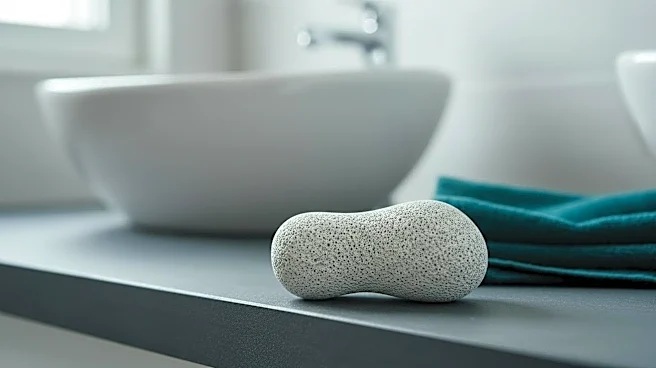
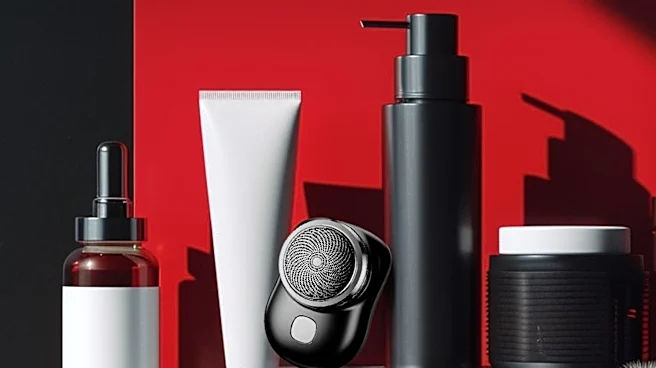
The tools of the trade have evolved, but the goal has remained the same. For centuries, the pumice stone—a naturally abrasive volcanic rock—was the primary instrument. These, along with metal scrapers, were the pedicure mainstays from ancient Greece through the Medieval period. The 19th and 20th centuries saw the invention of the emery board and more refined files. Today, the evolution continues with chemical peels that dissolve dead skin and electric callus removers that offer precision and power. These modern devices, with their rotating heads and ergonomic designs, have transformed a laborious task into a quick and efficient part of a self-care routine, making professional-level results more accessible at home. While these new tools offer convenience, it's wise to use them with care to avoid irritation or injury, and those with underlying health conditions should consult a professional.
The Psychology of Practicality
So why does buffing our feet have more staying power than, say, feathered hair or ultra-thin 90s brows? The answer lies in the difference between a trend and a ritual. Trends are often driven by external validation and a desire to participate in a cultural moment. They require you to change your appearance to fit in. Foundational practices like callus removal, however, are about personal maintenance and well-being. Their value isn't dependent on who sees them. They address a physical reality—the buildup of hard skin from the pressures of walking and living. In a world saturated with ephemeral content and fast-fashion aesthetics, there is a growing appreciation for routines that are simple, effective, and rooted in self-care rather than public performance.