




First, What Are 'Draft' Trousers?
Before we get to the hem, let's define our subject. 'Draft trousers' isn't a term you'll find in a dusty tailoring manual. It’s modern parlance for a specific silhouette that has surged in popularity as men have moved away from the restrictive skinny
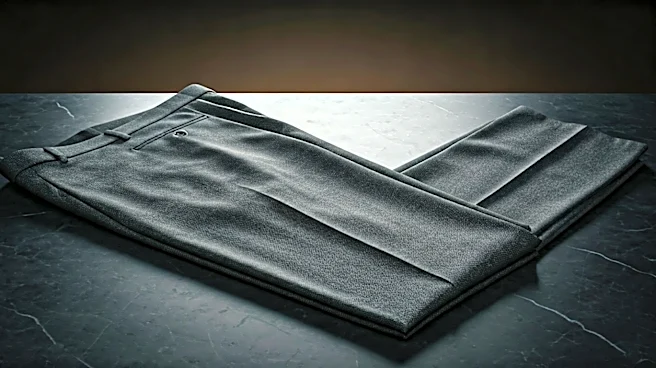
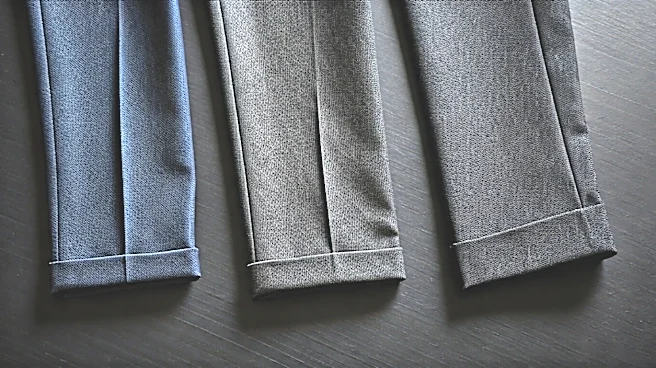
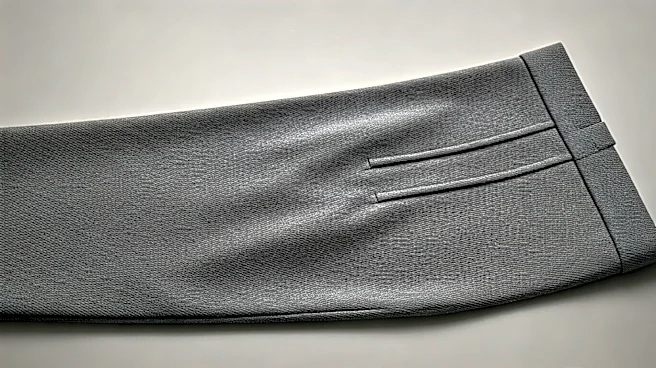
and slim-fit pants of the 2010s. Think of them as the trouser equivalent of an architect’s sketch: thoughtful, structured, yet fluid. Typically, a draft trouser features a higher waist, more room in the seat and thighs—often accentuated with single or double pleats—and a distinct taper toward the ankle. The overall shape is generous up top and clean at the bottom. It’s a comfortable, forgiving cut that doesn’t sacrifice shape. It’s a silhouette that breathes, moves, and drapes, which is exactly why the hem becomes so critically important. With all that fabric in play, a sloppy finish can quickly derail the entire look, turning 'architectural' into 'amorphous.'
Understanding the Trouser Break
The “break” is the horizontal fold or crease that forms in the fabric of your trousers just above where they meet your shoes. For decades, the rules were simple. A “full break,” with a deep fold, was the conservative standard for business suits. A “half break” was a cleaner, more modern alternative. And a “no break” or “negative break,” where the trouser hem hovers just above the shoe, was seen as a more fashion-forward, European, or daring choice, often associated with sharply tailored, slim-cut pants. These conventions were built around traditional straight-leg or boot-cut trousers. But they don't quite apply to the new geometry of the draft trouser. The generous volume of fabric completely changes the equation. A full break on a wide, pleated trouser doesn’t look classic; it looks like a puddle of fabric. It reads as an accident—pants that are simply too long.
The Intentional Line of a Draft Trouser
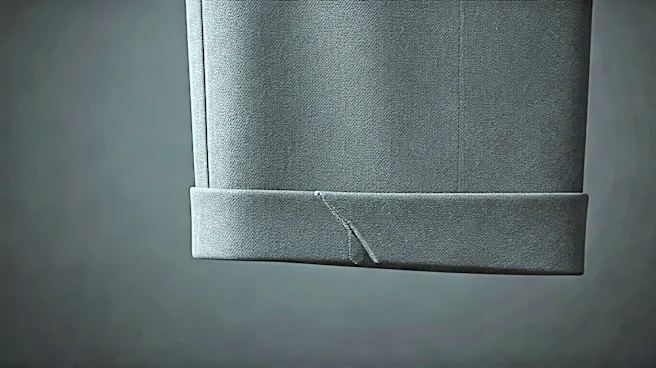
This brings us to the crucial detail. The break line on a well-executed draft trouser is almost always a crisp, deliberate “no break” or a very slight, precise break. The hem is tailored to kiss the top of the shoe or float just above the ankle. This isn't just a stylistic choice; it's a functional necessity that communicates mastery of the silhouette. By cutting the trouser to this exact length, the designer or wearer makes a clear statement. The taper of the leg is allowed to do its job, creating a clean line from the knee down to the shoe. The volume of the fabric is contained and given a definitive end point. This clean line at the ankle acts as an anchor for the entire look, preventing the fullness of the thigh from overwhelming the wearer's frame. It’s the visual equivalent of a perfectly placed period at the end of a long, eloquent sentence. It provides closure and proves the author knew exactly what they were doing.
The Difference Between Choice and Mistake
Ultimately, this is what separates an 'intentional' look from a sartorial misstep. When you see someone wearing skinny jeans bunched up over their sneakers, it looks like an afterthought. When you see someone in ill-fitting suit pants with a heavy, sagging break, it looks like they borrowed them. It communicates a lack of attention. The precise break line on a draft trouser does the opposite. It communicates that the wearer understands proportion and form. They chose the voluminous cut for comfort and style, and they chose the specific hem length to ensure the silhouette remains sharp and purposeful. It’s a look that says, “Yes, I know these pants are wider. And yes, I know they end exactly here. That’s the point.” It transforms what could be perceived as baggy into something that is clearly, and stylishly, deliberate.