






The Trend Cycle vs. The Constant Protector
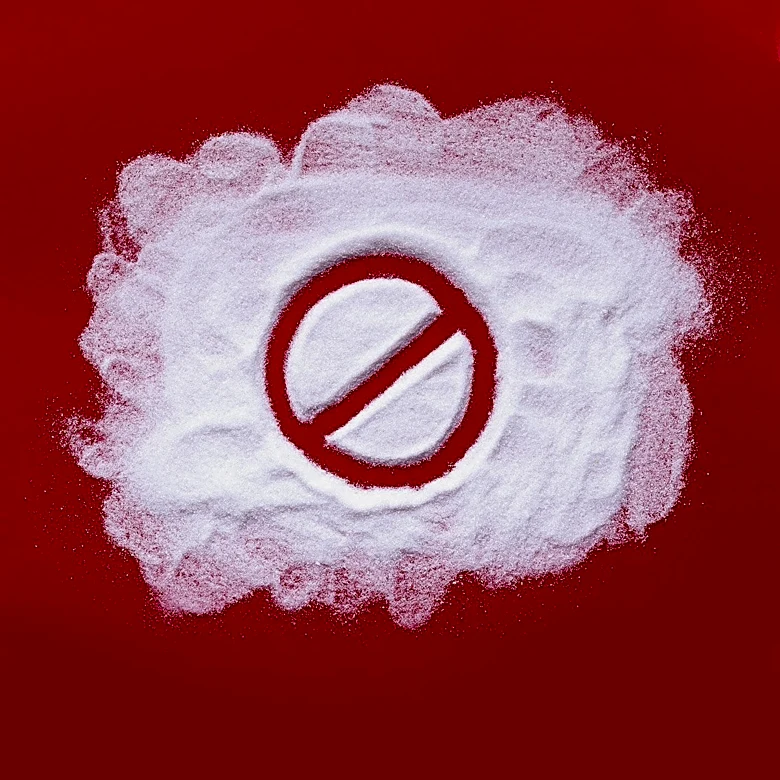
Remember contouring that required an engineering degree? Or the vampire facial? Beauty trends are designed to be temporary, creating a cycle of novelty and obsolescence. They offer a quick fix or a new look, but their impact is often superficial and short-lived.
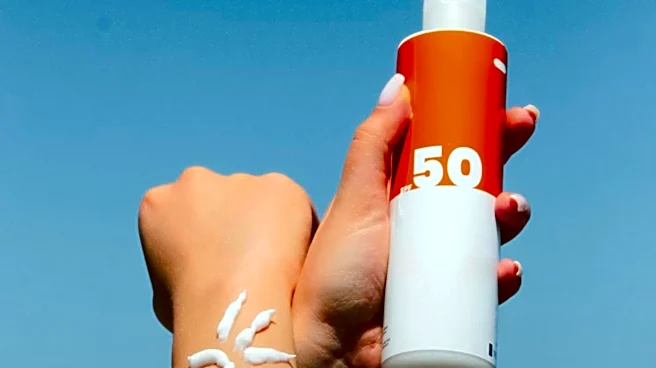
In contrast, body sunscreen isn’t a trend; it's a fundamental pillar of health and wellness. Its purpose isn’t to chase an aesthetic but to provide crucial protection. While consumers are increasingly moving toward a “longevity beauty” mindset focused on long-term health, sunscreen has been the answer all along. It doesn't promise an overnight transformation because it's playing a much longer, more important game.
The Science of What Lasts
So why does this one habit have such staying power? Because the threat it addresses is constant. Ultraviolet (UV) radiation from the sun is a leading cause of premature aging and, most critically, skin cancer. UVA rays penetrate deep into the skin, breaking down collagen and leading to wrinkles and sagging, while UVB rays are the primary cause of sunburn and a major contributor to skin cancer. Consistent sunscreen use is one of the most effective ways to prevent this damage. One study showed that daily sunscreen users experienced 24% less skin aging over four years. It’s not about looking good for a season; it's about safeguarding your skin’s health and appearance for a lifetime.
It’s a ‘Body’guard for a Reason
Facial sunscreen has finally become a non-negotiable for many, but the skin on your body deserves the same dedication. Your neck, chest, arms, and hands are often just as exposed to daily UV radiation as your face. This incidental exposure—from driving, walking to the mailbox, or sitting near a window—accumulates over time. This is why dermatologists often see signs of sun damage and skin cancer on areas people frequently miss, like the back of the neck, ears, and tops of the feet. Protecting your body isn't just a beach day activity; it's a daily health practice.
Application: The Difference Between Trying and Protecting
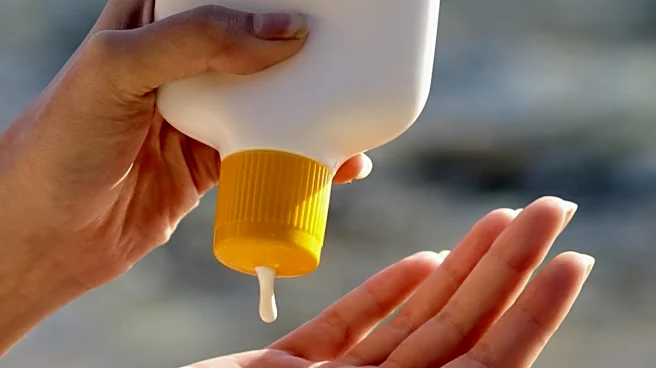
Using sunscreen and using it effectively are two different things. Most people simply don't apply enough. The general recommendation for full-body coverage is about one ounce—or the amount that would fill a shot glass. It should be applied about 15 minutes before you go outside to allow it to absorb properly. Reapplication is just as crucial: at least every two hours when outdoors, and more frequently if you’re swimming or sweating heavily. Don't forget those easily missed spots: ears, scalp part, back of the hands, and tops of the feet. They need protection, too.
Choosing Your Daily Shield
The sheer number of options can be overwhelming, but the rule is simple: the best sunscreen is the one you'll actually use every day. Look for three key things on the label: SPF 30 or higher, “broad-spectrum” protection (which covers both UVA and UVB rays), and water resistance if you'll be active. Creams are great for dry skin, while gels can be better for hairy areas. Sprays are convenient but make it easy to miss spots, so be sure to rub them in thoroughly. Whether you choose a mineral (physical) sunscreen with zinc oxide or a chemical one, consistency is what matters most.