






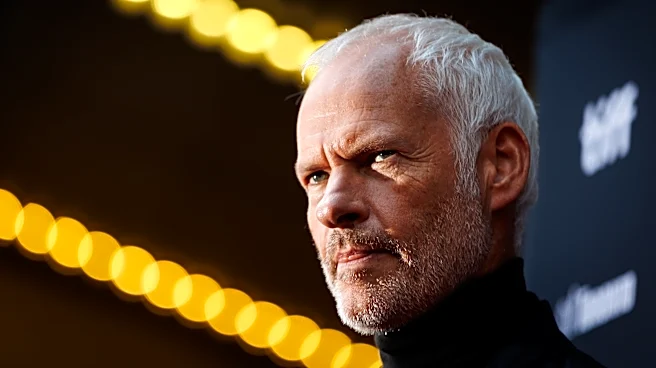

1. It Premieres on the Festival Circuit
Before it ever plays at your local multiplex, a word-of-mouth contender often debuts at a prestigious film festival like Toronto, Venice, or Telluride. These events serve as a launchpad, allowing a film to generate buzz among critics and industry insiders.
A strong reception here is the first whisper of a movie that people will be talking about for months, long before a wide commercial release is even on the calendar.
2. The Release Is a Slow Rollout
Instead of opening on 4,000 screens nationwide, these films often use a "platform release" strategy. They might open in just a handful of theaters in New York and Los Angeles, using positive reviews and local buzz to build momentum. If audiences respond, the distributor will gradually expand it to more cities over several weeks. This method is a calculated gamble that relies entirely on people loving the movie enough to tell their friends.
3. The Review Embargo Lifts Super Early
A studio's confidence in a film is often telegraphed by its review embargo—the date when critics are allowed to publish their reviews. If the embargo lifts weeks in advance, it's a sign the studio believes critics will love it and wants that positive buzz to build. Conversely, an embargo that lifts the day before release often suggests the studio is trying to limit negative coverage before opening weekend.
4. It’s Backed by a “Prestige” Distributor
Certain names in film distribution have become synonymous with quality and a specific kind of thoughtful, director-driven film. Companies like A24, Neon, Focus Features, and Searchlight Pictures have built their brands on championing movies that are often unconventional or challenging. When you see one of their logos, it’s often shorthand for a film that prioritizes artistic vision over mass-market appeal, relying on viewers to discover it.
5. The Marketing Is Low-Key and Creative
You won't see a fast-food tie-in or a Super Bowl ad for these films. Instead of a massive, expensive marketing blitz, the promotion is often more grassroots and targeted. This might involve clever social media campaigns, partnerships with influencers who align with the film's themes, and a focus on compelling trailers that highlight the story and performances over spectacle. The goal is to spark curiosity, not overwhelm.
6. The Premise Is Hard to Summarize
Word-of-mouth hits often have unconventional narratives that don't fit into a neat box. They might blend genres, tackle complex themes, or feature a story that is best experienced with little prior knowledge. While a simple high-concept pitch is great for a blockbuster, a film that makes you say, "You just have to see it," is tailor-made for conversation and debate, fueling its slow-burn success.
7. The Box Office Holds Steady (or Even Grows)
The clearest sign of a word-of-mouth hit is its performance after opening weekend. While blockbusters often see a huge drop-off of 50% or more in their second week, a film with strong buzz will have a much smaller decline. In some rare cases, its box office might even increase in the second or third week as more people hear about it. This demonstrates that the audience is growing organically, driven by recommendations rather than initial hype.
8. It Generates Passionate Online Discussion
Long after the marketing campaign fades, a true word-of-mouth film lives on in social media threads, Reddit discussions, and group chats. These movies inspire deep analysis, fan theories, and emotional reactions. They become part of the cultural conversation not because a studio paid for it, but because the film connected with people on a level that demanded to be shared. This organic enthusiasm is the engine that can carry a small film to unexpected heights.