




1. The Façade as an Opening Shot
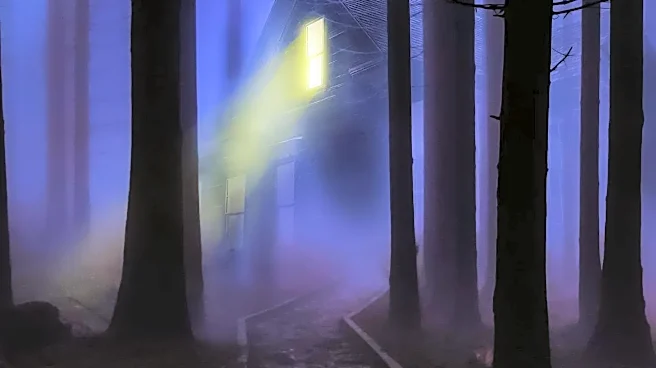
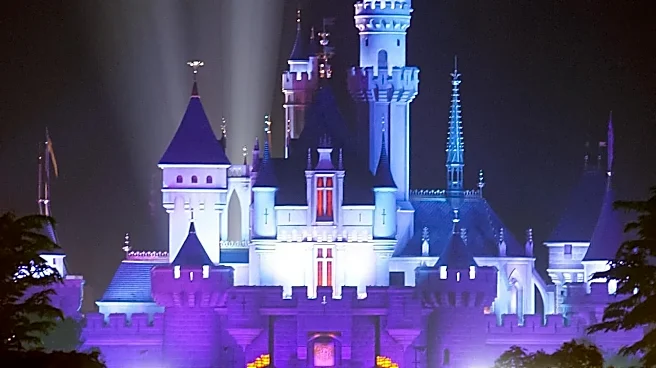
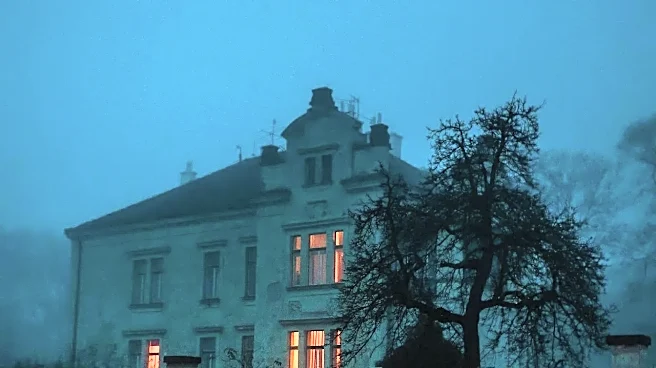
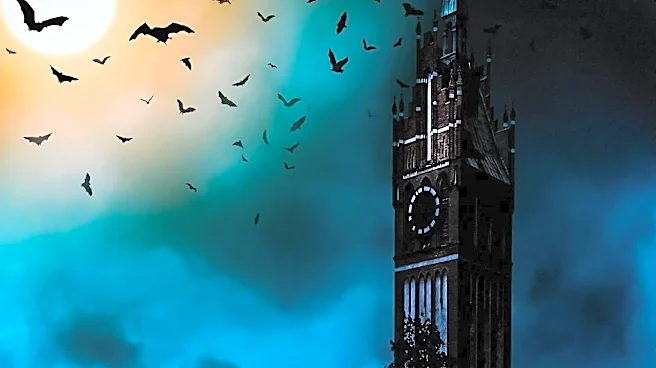
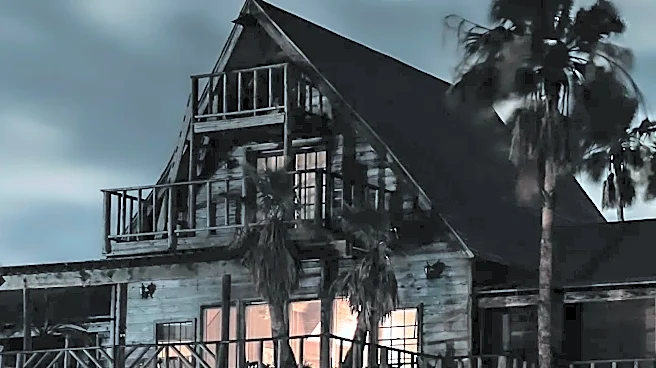
A great horror movie establishes its setting and mood immediately. Think of the Overlook Hotel in "The Shining" or the isolated house in "The Conjuring." HHN houses do the same with their elaborate façades. These aren't just decorated entrances; they
are meticulously crafted establishing shots. Before you even step inside, the detailed exterior tells you the story, sets the tone, and builds anticipation, functioning exactly like the opening scene of a film that pulls you into its world.
2. A Score, Not Just Sound Effects
Listen closely in a house. It’s not just a random collection of bangs and screams. Each house features a full, looping musical score composed specifically for that experience. Much like a film score from composers like John Carpenter or Hans Zimmer, the music is designed to manipulate your emotions. It builds tension in quiet moments, crescendos before a big scare, and provides an emotional undercurrent to the story unfolding around you. This continuous soundscape makes the experience feel cohesive and deliberate, rather than a simple string of startle gags.
3. Lighting That Directs Your Eye
In filmmaking, cinematographers use light and shadow to control exactly what the audience sees. HHN lighting designers do the same, but for a 3D space. They use focused pools of light to guide your path and draw your attention to a specific prop or detail. More importantly, they use darkness to hide what’s coming next. A brightly lit animatronic might be a distraction, while the real threat lurks in the shadows just outside your peripheral vision. This masterful use of chiaroscuro creates suspense and ensures the scares land with maximum impact.
4. The 'Jump Cut' Strobes
Filmmakers use jump cuts—abrupt transitions from one shot to another—to disorient the viewer. HHN achieves this effect with strobe lights. A sudden blast of strobing light, often paired with a loud noise, effectively creates a series of fractured, terrifying still frames. In that split-second of flashing chaos, a character can appear right in front of you as if out of nowhere. This sensory overload mimics the jarring effect of a cinematic jump cut, leaving your brain scrambling to process the new threat.
5. Forced Perspective Sets
A classic filmmaking trick to make sets look bigger or more dramatic is forced perspective. Think of the hallways in "Poltergeist" that seem to stretch into infinity. HHN designers use this technique constantly. They'll build corridors that narrow in the distance or ceilings that slope downwards to create the illusion of immense depth in a limited physical space. This makes a warehouse feel like a sprawling, inescapable labyrinth and sells the scale of the environment, just like a matte painting or CGI background would in a movie.
6. Controlling the 'Camera Angle'
In a movie, the director controls the frame, deciding what you see and from what angle. In a haunted house, you are the camera. The designers control your 'angle' by carefully constructing the pathway. You'll be forced to duck under a low beam, directing your gaze downwards, just before a creature lunges from above. You might be funneled into a narrow space that restricts your peripheral vision, making a scare from the side inevitable. Every turn and obstruction is planned to frame the horror perfectly.
7. Environmental Storytelling
The best films show, they don't tell. A room can tell a story through its props and decay. HHN houses are masters of this environmental storytelling. Instead of just having a monster jump out, the rooms leading up to the scare are filled with clues: discarded medical files in an asylum, half-eaten meals on a dining table, or strange symbols painted on the walls. These details build a narrative and a sense of dread, making you feel like you've walked into the middle of a story already in progress.
8. The Scent Cannon
Film is a two-sense medium: sight and sound. Themed attractions can go one better by adding smell. HHN uses 'scent cannons' to pump specific smells into different scenes, adding a powerful layer of immersion that movies can only suggest. You'll smell the musty dirt of a freshly dug grave, the coppery tang of blood in a butcher shop, or the cloying sweetness of decay. This sensory input can trigger primal feelings of disgust and fear, making the environment feel disturbingly real.
9. Choreographed Scareacting
The performers, or 'scareactors,' aren't just improvising. Many of the key scares are as choreographed as a movie stunt. Actors have specific marks to hit and cues to follow, often triggered by a foot pedal or button that activates a sound and light effect simultaneously. This precision ensures that the scare works as designed, combining performance, lighting, and audio into one perfectly timed, movie-like moment of terror. It’s less of a random spook and more of a repeatable, directed scene.