
The Search for Something Real
A high-definition stream can give you a front-row view, but it can’t make you feel the bass vibrating through the floor. The live experience is a full-body assault on the senses that a screen simply cannot replicate. Fans aren't just chasing a sound;
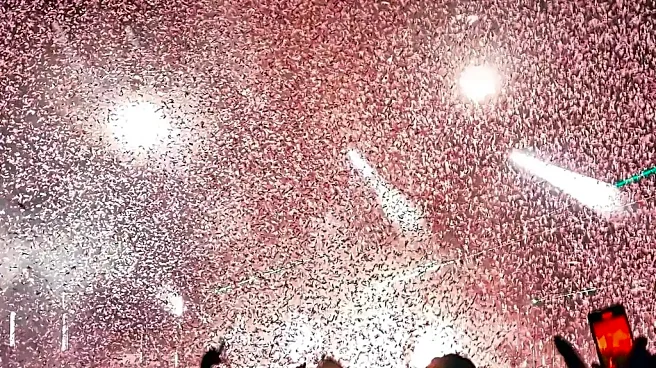
they're chasing a feeling. It’s the difference between watching a video of a thunderstorm and standing in the rain. There is a physical connection to the music and the artist in person that’s irreplaceable. In a world of digital filters and curated perfection, the raw, unfiltered, and sometimes messy reality of a live performance feels more authentic and valuable than ever. That tangible experience—the heat of the lights, the smell of the grass, the sheer volume of sound—is what makes the memory.
The Unbearable Fear of Missing a Moment
This isn't just about FOMO (Fear of Missing Out) in the general sense, though that's part of it. This is about a more specific anxiety: the fear of missing a unique, unscripted moment that won’t make the official livestream or highlight reel. Will there be a surprise guest? An unexpected cover song? A heartfelt speech from the artist that connects with everyone present? These are the spontaneous, one-of-a-kind moments that become festival legend. While streaming offers convenience, it often presents a sanitized version of the show. The in-person attendee is betting that by being physically present, they might witness magic—something unpredictable and unique to that specific place and time. That gamble is often worth the frantic journey across the festival grounds.
The Powerful Pull of the Crowd
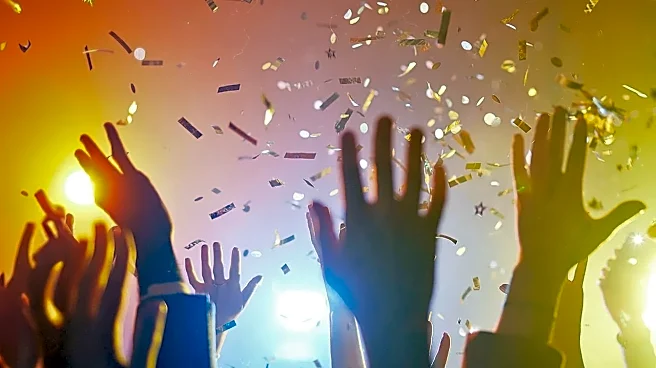
Sociologists call it “collective effervescence”—a term coined by Émile Durkheim to describe the feeling of energy and unity that arises when people gather for a shared purpose. At a festival, it's the goosebumps you get when thousands of strangers sing the same lyric in unison. This shared emotional experience is a powerful psychological force. Being in a crowd releases hormones like dopamine and oxytocin, enhancing your mood and sense of social connection. You aren't just a spectator; you become part of a temporary community, bound together by a shared love for the music. That feeling of belonging and being part of something bigger than yourself is a primary driver of human behavior, and it’s something you can only get by being in it.
It's Not a Sprint, It's an Investment
Ultimately, the sprint between stages is an act of curatorial defiance. In an age of algorithmic recommendations, fans are making an active, physical choice to maximize their own unique experience. Festival schedules are famously packed with heartbreaking conflicts, forcing attendees to make tough decisions. That sprint isn't a sign of panic; it's a strategic investment of time and energy. It's an attempt to craft a personal highlight reel, catching the first three songs from a punk band before seeing the headliner’s grand finale. The goal isn't just to see music, but to conquer the festival, to leave with a story that is entirely your own, pieced together one frantic, exhilarating dash at a time. It's about escaping the daily routine and taking control of your own adventure.