
The Myth: Spectacle is the Summit
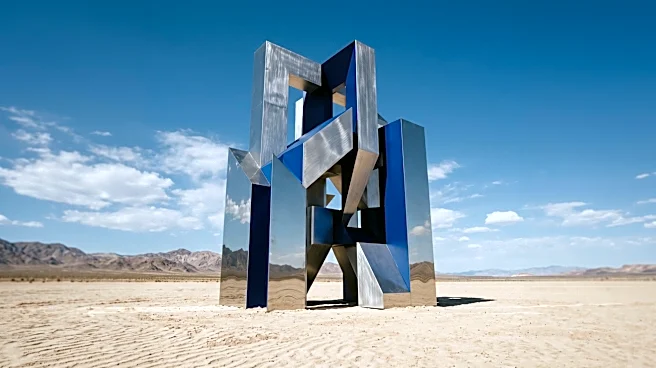
First-timers and onlookers often see Burning Man through the lens of its most epic installations. A 70-foot-tall wooden figure, fire-breathing metal squids, and structures that rival historical monuments
dominate the festival's public image. The assumption is that the goal is to see these colossal works, that the ultimate Burner experience is to stand in awe of something massive. This creates an artistic arms race, where scale becomes a shorthand for significance. The bigger the art, the more funding it received, the more people it took to build, the more it must matter. The myth suggests your experience is measured by the checklist of giant things you saw and photographed.
The Reality: The Line vs. The Connection
Large-scale art often creates something antithetical to Burning Man's core principles: a queue. When an installation is hyped, it can become a tourist destination on the playa, complete with lines and a passive viewing experience. You wait, you see, you leave. This turns participants into spectators. In contrast, true immersion often happens unexpectedly. It's the conversation struck up with a stranger while seeking shade, the discovery of a tiny, hand-built post office where you can mail a letter to no one, or a two-chair bar designed for intimate conversation. These moments are spontaneous and participatory, fostering the human connection that the largest pieces can sometimes inadvertently discourage.
The Joy of Serendipitous Discovery
The true magic of the playa isn't found on a map; it's found by getting lost. Many veterans will tell you their most cherished memories involve biking into the deep, empty expanse with no destination in mind and stumbling upon something small, weird, and wonderful. It might be a single rocking horse in the middle of nowhere, a phone booth for talking to God, or a tiny door leading to a single, comfortable chair. These discoveries feel personal, a secret between you and the artist. They require no crowd, no schedule, and no fame. This act of personal discovery is a powerful form of immersion, creating a feeling that the city is alive with secrets waiting just for you, something a giant, heavily promoted installation can rarely replicate.
Art That Requires Participation, Not Just Observation
Many of the most impactful smaller projects are designed to be incomplete without you. One piece might ask you to write down a secret and add it to a collection to be burned later. Another may be a simple swing set that only feels alive when people are using it, creating joy through motion. An interactive sculpture might change its light and sound based on how many people are touching it, turning a group of strangers into a collaborative orchestra. This aligns directly with the principle of Radical Participation. The art isn't just something you look at; it's something you do. It demands your presence and your engagement, making you a co-creator of the experience. The value comes from the interaction, not the observation, which is a powerful counterpoint to the passive awe inspired by sheer size.