



A Rebel Without Feathers
Before he was the cute, yellow canary beloved by millions, Tweety was a scrappy, featherless baby bird named Orson. Created by director Bob Clampett for the 1942 short "A Tale of Two Kitties," this early version was surprisingly aggressive. He wasn’t
a passive victim; he was a clever and sometimes ruthless survivor who actively foiled the cats trying to eat him. This proto-Tweety was naked, pink, and had a much more defiant attitude, even delivering a swift kick to his feline foes when they were down. Censors, however, weren't fond of the naked bird, a complaint that would inadvertently lead to his iconic transformation. This original design laid the groundwork for a character who was far more complex than he appeared.
The Power of a Perfect Rivalry
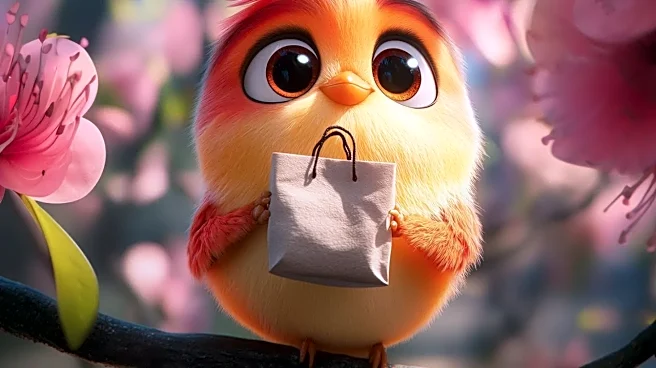
When director Friz Freleng took over the character, he softened Tweety's design, giving him his signature yellow feathers and large, sympathetic blue eyes. This makeover was crucial, but the true stroke of genius came in 1947 when Freleng paired him with a new antagonist: Sylvester the Cat. Their first cartoon together, "Tweetie Pie," was an instant sensation, even winning an Academy Award—the first-ever for a Warner Bros. cartoon. The formula was deceptively simple: a perpetually hungry cat versus a seemingly helpless bird. But unlike other chase cartoons, the dynamic was less about the chase and more about the subversion of power. Tweety, the tiny, seemingly defenseless prey, consistently outsmarted his much larger predator, a novel concept that resonated deeply with audiences.
The Art of Perceived Innocence
This is where Tweety truly reshaped animation. He perfected the art of perceived innocence. While characters like Bugs Bunny were coolly in control, Tweety weaponized his cuteness. His famous line, "I tawt I taw a puddy tat!," framed him as a naive observer, not a participant in the ensuing chaos. Yet, he was often the architect of Sylvester’s painful failures. This created a new layer of comedic storytelling where the victim was also the victor, and often a willing instigator. He wasn't just a damsel in distress; he was a cunning strategist hiding in plain sight. This complex personality, a blend of sweet naivete and subtle aggression, introduced a level of psychological depth that was rare in the animated shorts of the era. Audiences loved the gag of the powerful bully being undone by the smallest, most unassuming character.
From Screen Star to Global Icon
Tweety's influence quickly expanded beyond the screen. His catchphrases became part of the global lexicon. In 1951, Mel Blanc's in-character recording of "I Tawt I Taw a Puddy Tat" became a hit single, cementing Tweety's status as a multimedia star. He became a merchandising juggernaut, with his image appearing on everything from lunchboxes to apparel, proving the commercial power of an animated character. Reports from Warner Bros. have even suggested that, at times, Tweety has been the studio's most popular Looney Tunes character, particularly adored for his clever superiority over Sylvester. From his early appearances in film to his later roles in TV shows like "The Sylvester & Tweety Mysteries" and cameos in films like "Space Jam," Tweety has remained a constant and beloved presence in pop culture for over 80 years.