





The Talent Comes at a Premium
The single biggest line item on any major festival's budget is talent. Headliners and sub-headliners, the names that sell the tickets, command enormous fees that have only escalated in the streaming era, where touring is an artist’s primary income. Booking
dozens of acts, from global superstars to indie darlings, can mean that a huge percentage of ticket revenue is already spent before the first gate even opens. Promoters like Another Planet Entertainment, which runs Outside Lands, are in a constant bidding war for top-tier performers. This creates a high-stakes environment where securing a must-see lineup means accepting staggering upfront costs, making the festival a financial gamble from day one. A sold-out show confirms demand, but it doesn't automatically cover the cost of securing that demand.
The San Francisco 'Surcharge'
Location, location, location also means cost, cost, cost. Staging a multi-day event for over 200,000 people in the middle of San Francisco's Golden Gate Park is a logistical and financial marathon. The city permit fees alone run into the millions. Beyond the permits, there are immense costs for police and private security, traffic control, and public transit coordination. Furthermore, the festival is responsible for the considerable expense of returning the park grounds to their original state after a weekend of heavy foot traffic. Operating in one of America's most expensive cities means every single cost—from labor to materials to local vendor services—is magnified. These location-specific expenses are fixed and unavoidable, eating significantly into the festival's overall revenue before a single note is played.
An Army of Staff and a City of Fences
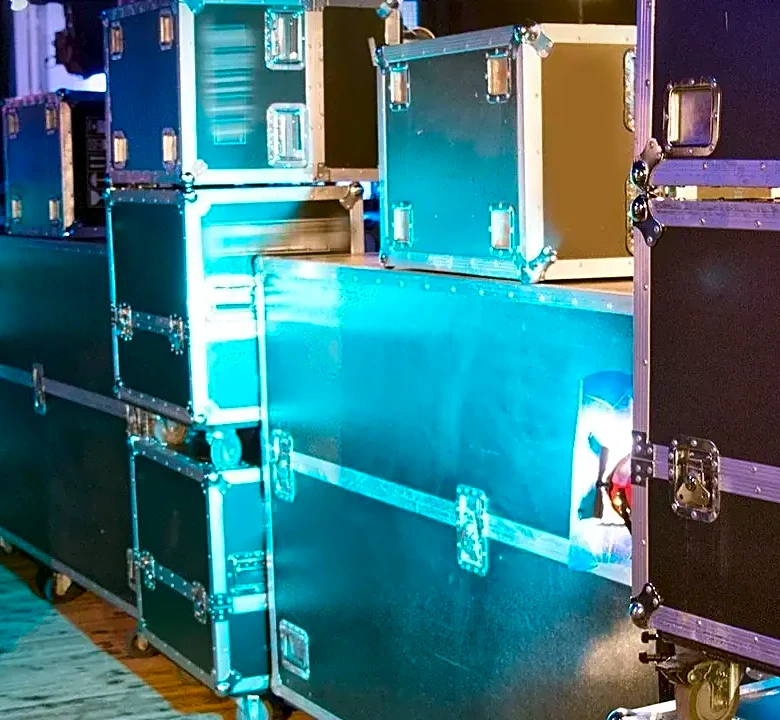
A music festival is essentially a small city that needs to be built from scratch and then taken down a few days later. The sheer scale of the required infrastructure is mind-boggling. This includes miles of security fencing, multiple complex stages with professional sound and lighting, countless portable toilets, and robust medical and emergency service facilities. Each of these elements comes with soaring rental, labor, and transportation costs, all of which have seen sharp increases due to inflation and supply chain issues. Then there's the human element: hundreds, if not thousands, of temporary workers are needed, from stagehands and security guards to concessions staff and cleanup crews. These operational expenses represent a massive, non-negotiable chunk of the budget that can easily swell, putting further pressure on profitability.
When Ticket Sales Aren't Enough
While ticket sales form the foundation of a festival's revenue, they are rarely enough to guarantee a healthy profit. A significant portion of the business model relies on secondary spending streams: sponsorships, food and beverage sales, and merchandise. Outside Lands is famous for its extensive culinary offerings, but each of those 90+ vendors represents a complex partnership. If attendance at concession stands is lower than projected, or if corporate sponsors pull back on spending, it can create a serious revenue shortfall. This makes the festival highly dependent on the spending habits of its attendees once they're inside the gates. A fan who bought a ticket but then spends very little on-site contributes less to the overall financial success, demonstrating why even with 100% of tickets sold, margins can remain dangerously tight.
The Post-Pandemic Squeeze
The live music industry is still navigating the economic aftershocks of the pandemic. Production costs for everything from stage equipment to transportation have risen dramatically, in some cases by 30-60% compared to pre-2020 levels. Insurance premiums for large-scale gatherings have skyrocketed, adding another layer of significant expense. While fans have shown a strong desire to return to live events, they are also more selective with their discretionary spending amid broader economic uncertainty. This environment creates a paradox: the cost to produce a world-class festival has never been higher, but there's a ceiling on how much you can raise ticket prices before alienating a core audience. This squeeze between rising costs and consumer price sensitivity is the central challenge facing nearly every festival organizer today.