



The Tale of the Tape: Hard Costs
Let’s get the numbers out of the way first. A premium, ad-free streaming subscription from a major player like Netflix or Max will set you back about $18 to $27 per month as of mid-2026. For that price, you get thousands of hours of content on demand.
Now, consider a three-day pass to a major U.S. music festival like Coachella or Lollapalooza. The ticket alone can run anywhere from $450 to over $650, and that’s before the resale market kicks in. More modest regional festivals might offer passes in the $250 to $450 range. But the festival ticket is just the cover charge. You also have to factor in travel, lodging (which sees significant price hikes during festival weekends), wildly expensive food and drinks on-site, and maybe a souvenir t-shirt that costs more than a month of Hulu. A single festival weekend can easily balloon to over $1,000, while some attendees report spending upwards of $2,000. Purely on a dollar-for-dollar basis, a month of streaming is astronomically cheaper.
The Content Buffet vs. The Live Spectacle
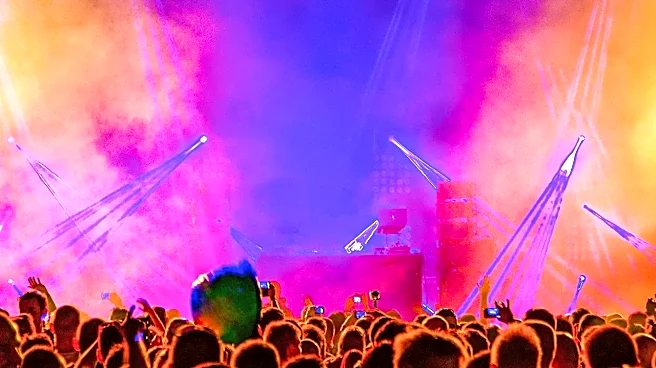
What does your money actually buy? With a streaming service, it buys volume and variety. You get access to a vast library of films, entire seasons of television, documentaries, and exclusive original content you can’t get anywhere else. You can watch what you want, when you want, on your own schedule. It’s a passive, comfortable, and long-lasting form of entertainment. A festival weekend is the polar opposite. It’s an intense, concentrated burst of live entertainment. You might see dozens of artists over three days, from world-famous headliners to emerging acts. The value isn’t in the total quantity of hours, but in the density and uniqueness of the experience. It’s an active event where you’re on your feet, moving between stages, and absorbing performances that are happening once and will never be repeated in exactly the same way. You’re trading a month of quiet convenience for 72 hours of sensory overload.
The Vibe Check: Comfort vs. Community
This is where the comparison moves beyond simple math. The primary product of a streaming service is convenience. You enjoy it from the comfort of your own home, with no lines, no crowds, and no questionable porta-potties. You are in complete control of the experience. The primary product of a festival is community and atmosphere. It's the collective energy of thousands of people sharing a singular experience. It’s the spontaneous moments, the shared joy of a crowd singing in unison, and the feeling of being part of a temporary, vibrant city built around music and art. Studies and anecdotal evidence consistently show that live, in-person events create stronger emotional responses and more lasting memories than screen-based viewing. You don’t get lifelong inside jokes with your friends from binge-watching a series, but you might from surviving a sudden downpour at an outdoor stage.
The Verdict: What Kind of Experience Are You Buying?
Ultimately, the two aren't really competing for the same goal. Asking if a festival is worth the cost of 20-30 months of Netflix is like asking if a Michelin-star dinner is worth the cost of 100 frozen pizzas. Both feed you, but the purpose is entirely different. One is for sustained, everyday consumption; the other is a peak experience. Choosing streaming is a vote for comfort, control, and long-term, low-cost entertainment. It’s a utility, like water or electricity for your brain. It fills the quiet moments and provides a reliable escape. Choosing a festival is a vote for intensity, community, and memory-making. It’s an adventure. You’re paying a premium for the story you get to tell afterward and the unique thrill of a live performance that can't be replicated.