

The Last Stand of Sound and Light
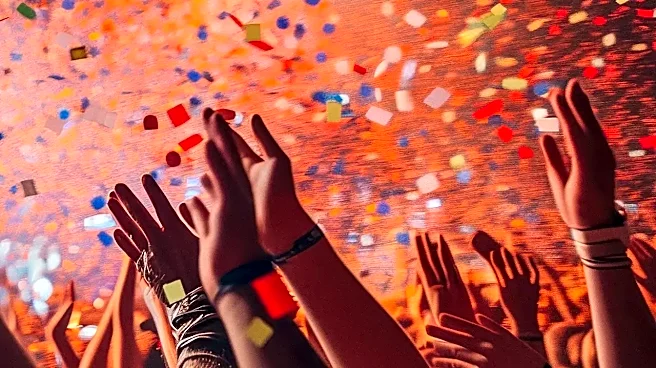
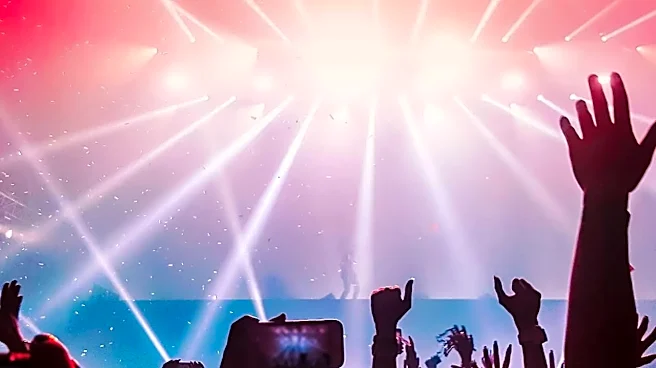
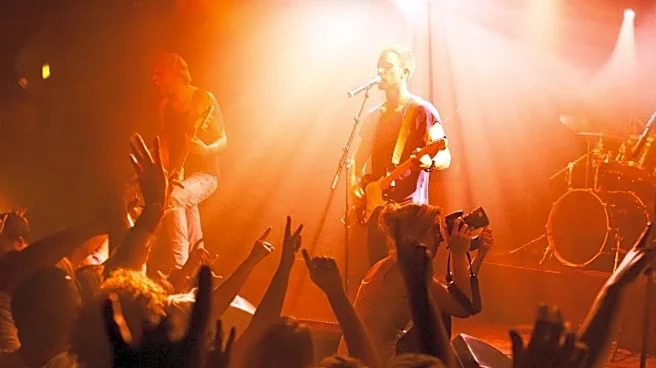
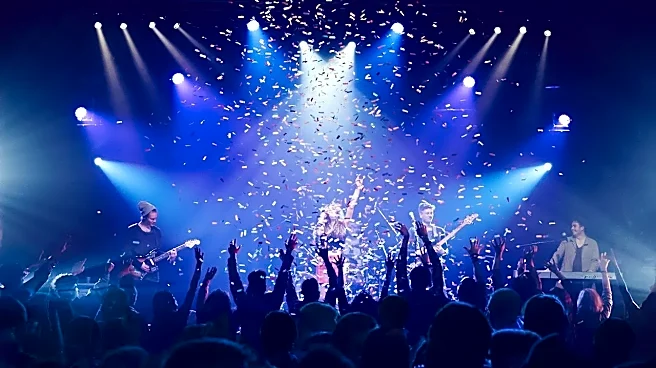
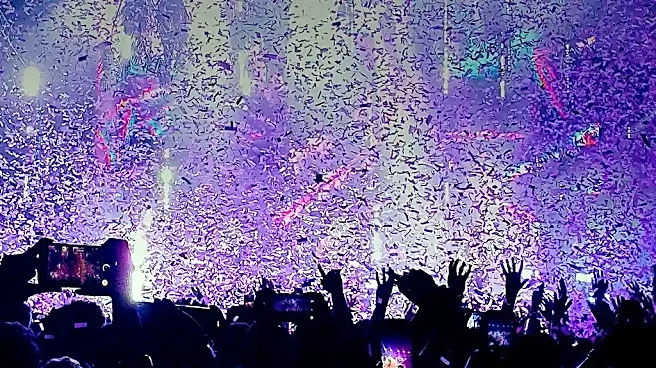
Picture the scene: you’ve been on your feet for ten hours. You’re dehydrated, sunburned, and your ears are ringing. Yet when the familiar opening notes of the night’s final anthem begin, a fresh wave of energy hits you. This isn't just you mustering a final rally;
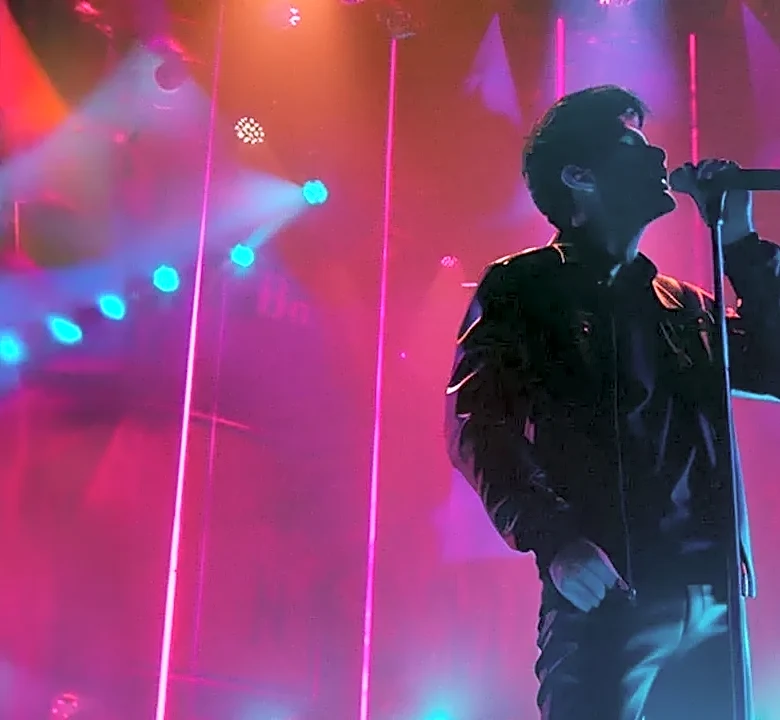
it’s a shared, collective surge. The entire festival experience—the anticipation, the sensory overload of lights and bass, the new friends made in the crowd—is funneled into these last few minutes. It's the grand finale of a multisensory experience you've been a part of for days. The artist on stage knows this, too. The final song is chosen to be a lasting impression, a cathartic release that solidifies the emotional takeaway of the entire show. It’s the punctuation mark on a weekend designed to feel like a separate reality.
A Symphony of Shared Emotion
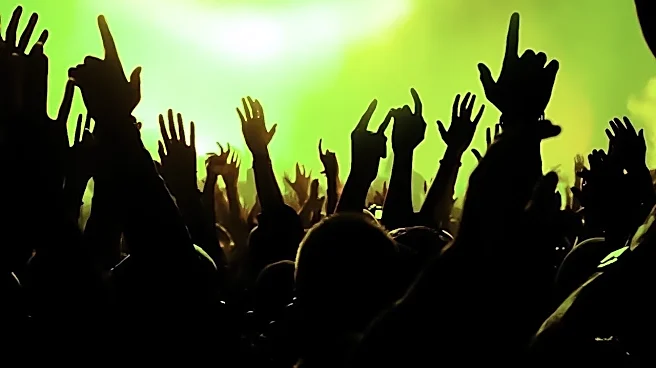
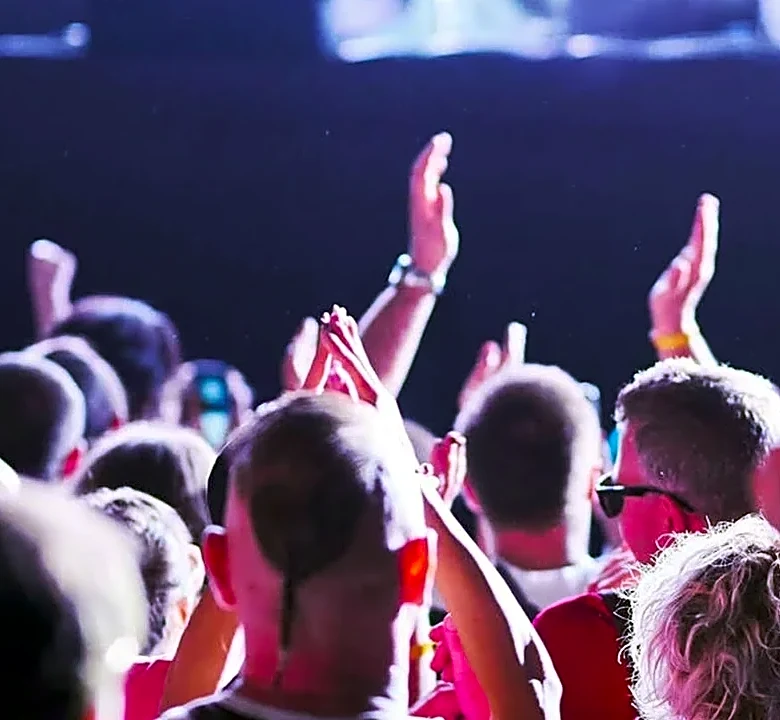
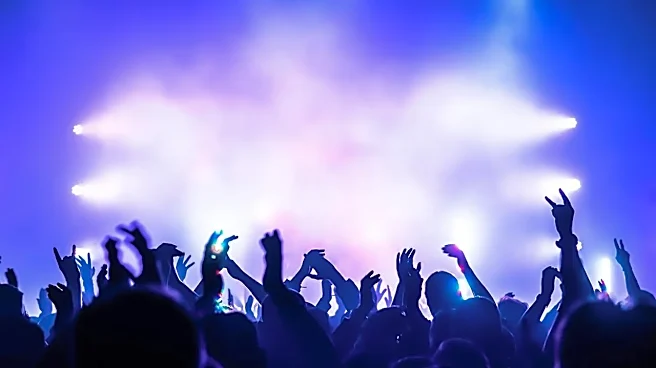
There’s a sociological term for the powerful feeling that washes over the crowd: “collective effervescence.” Coined by sociologist Émile Durkheim over a century ago to describe the unifying force of religious rituals, the concept perfectly captures the secular magic of a festival crowd. It’s the sense of energy and harmony that arises when people engage in a shared purpose, creating a feeling of being part of something larger than themselves. Research shows that during these events, our very physiology can sync up with those around us; heart rates and even brain waves can align. You aren't just watching a show alongside thousands of individuals; for a brief period, you become a single, temporary organism, feeling the same emotional peaks in unison.
The Perfect Chemical Cocktail
Beyond the sociological, there’s a powerful neurochemical process at play. Live music is a potent stimulant for the brain. Studies have found that live performances elicit stronger and more consistent activity in the amygdala—the brain's emotional processing center—than recorded music. The experience triggers a flood of feel-good chemicals. Dopamine, associated with pleasure and reward, surges. Oxytocin, the “bonding hormone,” is released, fostering a sense of trust and connection with the strangers singing beside you. This intense neurochemical cocktail, combined with the emotional weight of a well-known song, can lead to what’s known as “frisson”—the goosebumps or chills that run down your spine during moments of aesthetic pleasure. It’s your brain’s way of saying, “This moment is important.”
The Bittersweet Return to Reality
The final song isn’t just a high; it's also a gentle off-ramp. It provides a sense of closure, a shared acknowledgment that this temporary world is about to dissolve. The walk back to the campsite or the car park can feel like stepping from a world of color into one of black and white. This “post-concert comedown” is a real phenomenon, a form of grief for the temporary community and the heightened reality that has just ended. That final song serves as a bridge, giving everyone a peak memory to hold onto as they transition back to the default world. Behavioral scientists call this the “peak-end rule”: we don't remember an experience based on its average, but on its most emotionally intense moment and its end. The final song is deliberately crafted to be both, ensuring it becomes the primary, glowing memory of the entire event.