



More Than Just a Trailer Drop
For decades, fan conventions were a one-way street. Studios arrived with flashy trailers and exclusive clips, presented them to a captive audience, and hoped the resulting buzz would carry their multi-million dollar film or series to a successful launch.
But in the modern media landscape, that model is obsolete. Today, events like New York Comic Con function as high-stakes, real-time focus groups. Studios aren't just there to talk; they're there to listen. Every cheer, gasp, groan, and, most importantly, every online post, becomes a valuable metric. Fan communities have evolved from passive consumers into active participants in a franchise's journey, and studios have learned that ignoring their collective voice is a perilous business decision. This interactive loop provides invaluable insights into audience expectations before a single ticket is sold.
Reading the Room—And the Internet
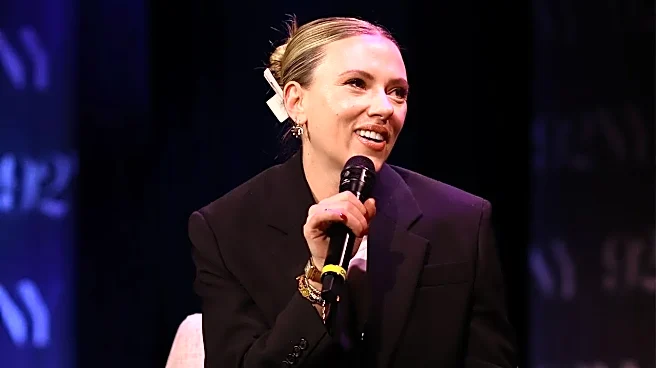
When a studio presents new footage, its marketing team is monitoring the reaction on two fronts: inside the room and across the web. The immediate, visceral reaction from the thousands of fans in a main stage panel provides a raw, unfiltered emotional read. Did the reveal of a new character get the intended applause? Did a surprise plot twist land with shocked silence or confused murmuring? Simultaneously, social media teams are tracking hashtags, sentiment, and the velocity of online conversation. Key moments are clipped and shared within seconds, and the resulting memes, discussions, and hot takes provide a massive, instantaneous focus group. This data helps studios understand which elements of their project resonate most. Maybe a secondary character is getting all the love, or a specific line of dialogue becomes an instant catchphrase. This isn't just vanity; it's actionable intelligence.
The Art of the Course Correction
Armed with this feedback, studios have a narrow but critical window to make adjustments. This doesn't usually mean reshooting large parts of a film—it's often too late for that. The pivot is in the messaging. If fan reaction highlights a love for a particular character, the next wave of TV spots and posters might feature them more prominently. If a key plot point in a trailer is widely misinterpreted or disliked, it can be de-emphasized in future marketing materials. A famous example from the past involved the first trailer for "Sonic the Hedgehog," where intense fan backlash to the character's design led to a complete and costly overhaul that ultimately paid off at the box office. While not every pivot is that dramatic, the principle is the same: use fan feedback to refine the narrative and present the most appealing version of the product to the widest possible audience.
The High-Stakes World of 2026
This year's New York Comic Con is a prime example of this dynamic in action. With major panels for anticipated projects like Marvel's Disney+ slate, including "VisionQuest" and "Daredevil: Born Again," and Peacock's horror prequel "Crystal Lake," the stakes are immense. Paramount is teasing big news for the future of the "Avatar" franchise, and Prime Video is pulling back the curtain on "Blade Runner 2099." For each of these, the reactions from fans at the Javits Center will directly influence marketing campaigns rolling out over the next few months. A strong reception can build unstoppable momentum, while a lukewarm or negative one can send marketers scrambling to find a new angle. It's a live test of whether the creative choices made years ago will connect with the audience that matters most.